 English
 Español
 Indonesia
Water supply requirements can change considerably between buildings and even within the same facility. A residential property may experience low demand overnight and higher consumption in the morning, while a hotel or commercial building may need to supply several outlets at the same time. If a booster pump is selected without accounting for these differences, the system may deliver insufficient pressure during busy periods or operate inefficiently when demand is low. Correct sizing is therefore an important step in building a reliable water supply solution.
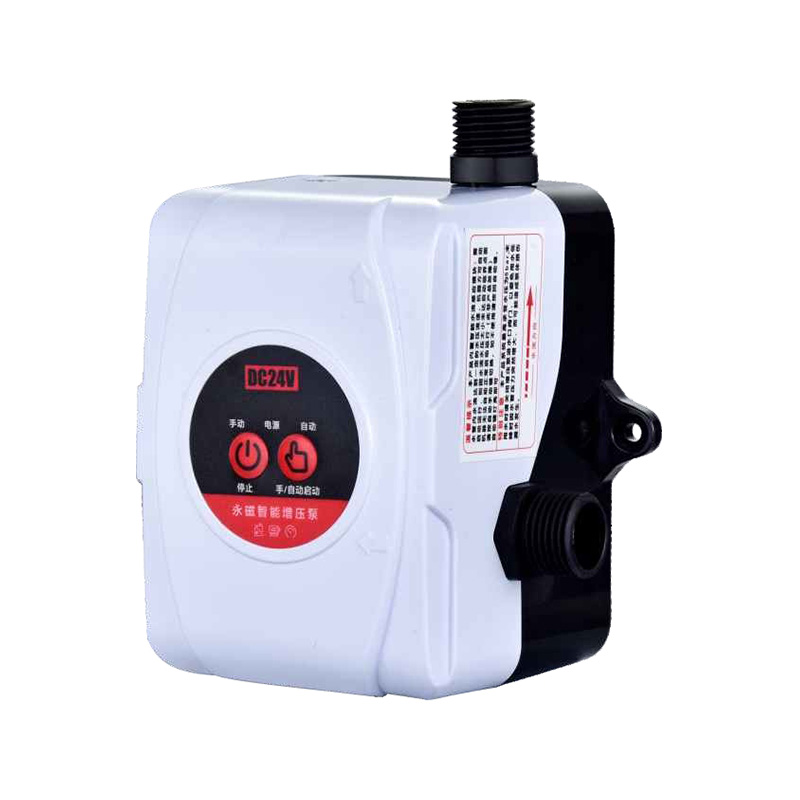
Look Beyond the Maximum Flow Requirement
Maximum flow is an important selection parameter, but it does not describe how a pump will perform throughout a normal operating day. A system designed around peak demand alone may not match the smaller flows that occur for much of its operating time.
Before selecting an Intelligent Permanent Magnet Variable Frequency Silent Booster Pump, buyers should identify the expected demand range, required outlet pressure, available inlet pressure, and number of outlets that may operate simultaneously. These details help manufacturers evaluate whether a proposed pump can cover both ordinary use and periods of higher consumption.
A realistic demand profile also helps avoid choosing equipment solely because its maximum rated capacity appears suitable.
Match Pump Performance to the Required Duty Point
Every pump has a performance curve that relates flow, head, and operating conditions. The selected model should provide the required flow at the pressure head needed by the actual system, rather than simply meeting a headline specification.
Pipe length, elevation differences, fittings, valves, and filters can all contribute to pressure losses. In taller buildings, the elevation between the water source and the highest outlet also affects the pressure that must be provided.
Manufacturers can use these factors to assess the operating point and determine whether the proposed configuration is appropriate. Buyers should provide accurate installation information whenever possible, particularly when replacing an existing pump or integrating equipment into an established water supply network.
Understand the Role of Variable Frequency Adjustment
Water demand changes throughout the day, so a fixed-speed pump may not always operate at the most suitable speed. Variable frequency control allows motor speed to change according to system requirements, subject to the pump's operating limits and control configuration.
When demand falls, the controller may reduce speed to provide the required flow without maintaining unnecessary full-speed operation. When demand rises, it can increase speed to help maintain the pressure target.
However, variable speed does not eliminate the need for correct sizing. The pump still needs sufficient capacity for the intended peak conditions, and its control settings must be compatible with the hydraulic system.
Evaluate Pressure Stability During Multiple-Outlet Use
A booster pump should be assessed under more than one operating condition. Testing only a single open outlet may not reveal how the system responds when several users draw water at once.
Buyers should consider whether pressure remains within the required range as demand changes, how quickly the system responds, and whether fluctuations occur during pump acceleration or deceleration. Pressure sensor placement and controller settings can influence these results.
For an Intelligent Permanent Magnet Variable Frequency Silent Booster Pump, practical performance evaluation should reflect the intended installation as closely as possible. This gives procurement teams a clearer basis for comparing models and confirming suitability before bulk purchasing.
Check Minimum Flow and Start-Stop Behavior
Not every water system has continuous demand. Small withdrawals, occasional use, or minor changes in system pressure may affect how a booster pump starts, stops, or enters standby operation.
Buyers should ask how the selected model manages low-flow conditions and what requirements apply to its pressure tank, sensors, or other control components. The exact arrangement depends on the pump design and the intended application.
Appropriate settings can help prevent unnecessary cycling, but persistent starts and stops may also indicate leakage, unsuitable pressure settings, or a mismatch between the pump and the system. Understanding these possibilities helps installers diagnose issues more effectively.
Include Installation Conditions in the Selection Process
A pump's performance depends partly on the conditions surrounding it. Inlet restrictions, inadequate water supply, trapped air, unsuitable pipe dimensions, and poor electrical connections can all affect operation.
Before confirming an order, buyers should review the inlet conditions, connection sizes, available installation space, power supply, and maintenance access. They should also confirm the required protection functions and operating limitations for the chosen configuration.
Clear technical communication allows the manufacturer to identify compatibility concerns early and helps reduce avoidable adjustments during commissioning.
Make the Purchase Decision Based on the Complete System
Selecting a booster pump is ultimately a system-matching exercise. Rated capacity, pressure requirements, variable frequency control, low-flow behavior, and installation conditions need to be considered together rather than evaluated independently.
An Intelligent Permanent Magnet Variable Frequency Silent Booster Pump can support changing water demand when its hydraulic performance and control functions match the application. By preparing a clear demand profile and confirming the relevant technical requirements before ordering, buyers can make a more informed selection and establish a sound basis for reliable water supply operation.