 English
 Español
 Indonesia
A water pressure system often receives little attention when it operates normally. However, changes in operating noise, pressure response, leakage, or starting frequency may indicate that the system needs inspection. For residential buildings, commercial facilities, and equipment distributors, waiting until water delivery becomes unreliable can make troubleshooting more difficult. A practical maintenance plan focuses on observing operating conditions, checking key components, and identifying small changes before they develop into more disruptive problems.
Monitor Changes in Operating Behavior
A pump does not always develop a fault suddenly. Gradual changes in pressure stability, operating sound, or response to water demand may provide useful clues about the condition of the system.
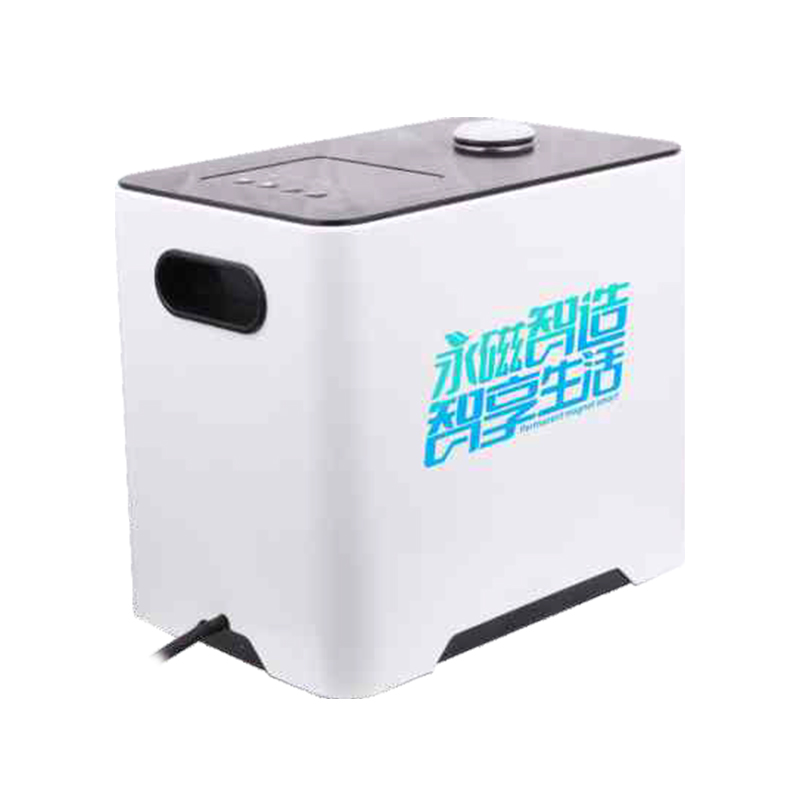
An Intelligent Permanent Magnet Variable Frequency Silent Booster Pump can adjust motor speed according to demand, depending on its control configuration. During routine checks, operators should observe whether the pump responds normally when water consumption changes and whether its behavior differs noticeably from its usual operating pattern.
Keeping basic operating records can make these observations more useful. When a change occurs, maintenance personnel can compare current behavior with previous conditions instead of relying only on memory.
Check the Water Supply Before Blaming the Pump
Not every pressure problem originates inside the pump. Restricted inlet piping, a clogged filter, insufficient incoming water, air in the system, or a leak elsewhere in the network can affect delivery.
Before adjusting the controller or replacing components, technicians should inspect the water supply path and confirm that the installation conditions remain suitable. This step helps prevent unnecessary part replacement and reduces the risk of treating a symptom without addressing its cause.
Manufacturers should provide clear guidance on the required inlet conditions and inspection points so that users can follow a consistent troubleshooting process.
Keep Sensors and Control Components in Good Condition
Variable frequency operation relies on accurate pressure feedback and appropriate controller settings. A loose connection, damaged sensor cable, unsuitable setting, or faulty pressure sensor may affect the pump's response.
During scheduled maintenance, qualified personnel should inspect accessible wiring, sensor connections, displayed operating information, and any fault indications. Electrical work should follow the equipment instructions and applicable safety procedures.
Settings should not be changed without understanding their purpose. Recording the original configuration before adjustments can help technicians identify whether a change improves operation or introduces a new issue.
Pay Attention to Vibration and Noise
A change in noise or vibration can indicate an installation problem, pipe resonance, loose mounting hardware, or a mechanical issue. Although some operating sound is normal, a sudden or persistent change deserves investigation.
Inspect the mounting base, pipe supports, and accessible connections for looseness or signs of stress. Also check whether the pump has been moved or whether nearby piping has been modified.
A quiet pump design can help reduce operating noise, but correct installation and suitable system conditions remain important to the overall result.
Establish a Practical Inspection Schedule
Maintenance frequency should reflect operating hours, water quality, installation conditions, and the manufacturer's recommendations. A system used continuously may need a different inspection routine from one serving a small property with intermittent demand.
A maintenance checklist can include:
- Checking for visible leakage and unusual vibration
- Inspecting inlet filters where fitted
- Reviewing fault indicators and operating records
- Checking accessible electrical and sensor connections
- Confirming that mounting hardware and pipe supports remain secure
- Recording inspections, adjustments, and replaced components
These checks help operators build a consistent maintenance history without making routine servicing unnecessarily complicated.
Prepare for Troubleshooting Before a Failure
When a pump stops operating normally, clear documentation can reduce the time needed to identify the cause. Buyers should retain the product model, installation information, controller settings, maintenance records, and relevant fault descriptions.
Manufacturers can support this process with understandable operating instructions, fault-code explanations where available, and clear guidance on when qualified service is required. Good documentation also helps distinguish between equipment problems and issues caused by the surrounding water system.
Make Preventive Care Part of Equipment Planning
Reliable water supply depends on suitable equipment selection, correct installation, and ongoing attention to operating conditions. As a manufacturer, we view maintainability and clear troubleshooting guidance as important parts of booster pump development. Overseas buyers who consider maintenance access, documentation, and service requirements before purchasing can prepare more effectively for long-term equipment management and reduce avoidable interruptions to water delivery.