 English
 Español
 Indonesia
A water pressure system needs to respond to changing demand while remaining compatible with the building's piping, electrical supply, and operating conditions. Even a well-designed pump may deliver disappointing results if its capacity is mismatched to the application or its control settings are poorly configured. For property developers, engineering contractors, and equipment distributors, installation planning is therefore just as important as comparing product specifications. A systematic approach helps prevent avoidable commissioning problems and supports more predictable water delivery.
Calculate the Required Flow and Pressure
Pump selection should begin with the actual water supply requirement rather than the maximum capacity listed in a product catalog. Engineers need to consider building height, pipe resistance, expected simultaneous water use, and the pressure required at the most demanding outlet.
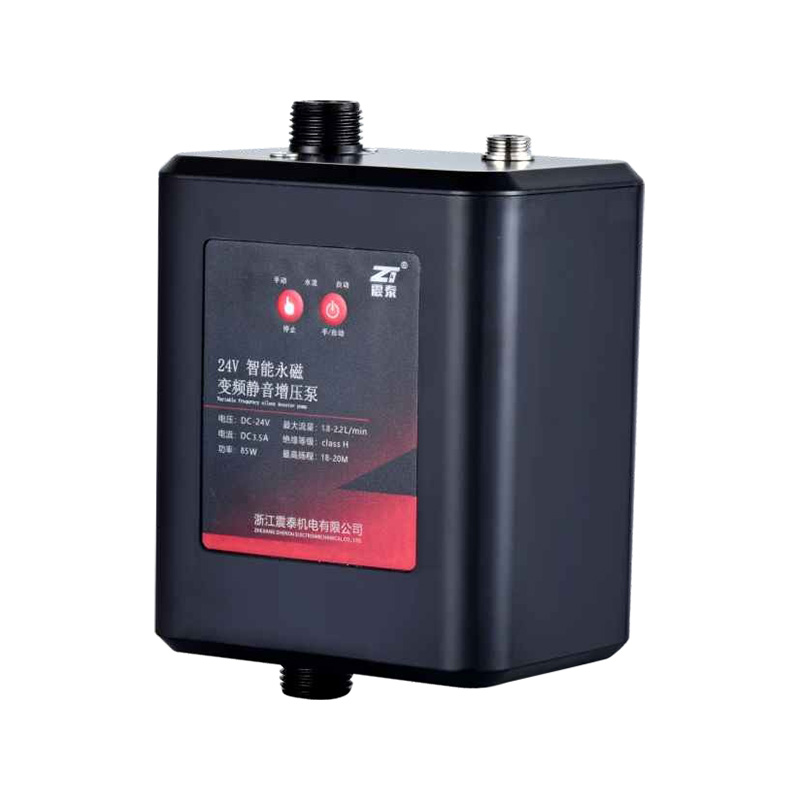
An Intelligent Permanent Magnet Variable Frequency Silent Booster Pump can regulate motor speed in response to pressure demand, depending on its control system. However, variable speed operation does not eliminate the need for correct sizing. If the selected pump cannot meet the required flow and pressure, control adjustments alone will not resolve the underlying capacity problem.
Confirm the Inlet Water Conditions
The inlet side of a booster pump deserves careful attention. Insufficient incoming water, excessive suction resistance, air entering the piping, or a blocked filter can affect pump performance and operating stability.
Before installation, buyers should confirm the available inlet pressure, pipe diameter, connection arrangement, and water supply conditions. The inlet configuration must comply with the pump manufacturer's requirements, particularly where the system draws from a storage tank or another limited supply source.
Checking these conditions early can help prevent problems that might otherwise be incorrectly attributed to the motor or controller.
Review the Pressure Control Settings
Variable frequency technology allows the motor speed to change as water demand varies. Yet the effectiveness of this function depends on appropriate pressure targets, sensor placement, and controller configuration.
If the target pressure is unsuitable for the building, users may experience weak delivery at certain outlets or unnecessary pressure in other parts of the system. Poor sensor installation can also cause the controller to respond to misleading pressure readings.
During commissioning, engineers should verify the pressure sensor connection, set the intended operating pressure, and observe pump behavior under both low and higher demand. Settings should follow the equipment instructions and the actual system requirements.
Pay Attention to Electrical Compatibility
Electrical requirements should be confirmed before the equipment reaches the installation site. Buyers need to check the rated voltage, frequency, power requirements, wiring arrangement, and available protection measures.
For pumps with integrated variable frequency controls, the installation environment also matters. The controller should be installed and operated according to the specified temperature, ventilation, and protection requirements.
Manufacturers can simplify this process by providing clear electrical documentation and identifying any requirements that differ between product configurations.
Reduce Vibration and Installation Noise
A pump described as quiet can still produce noticeable noise if it is installed on an unsuitable base or connected to poorly supported piping. Vibration may travel through rigid pipes and building structures, making the noise more noticeable in nearby occupied rooms.
Engineers should provide a stable mounting surface, secure pipe supports, and suitable connections that do not place unnecessary stress on the pump body. They should also check that the installation does not introduce pipe strain or misalignment.
These practical measures complement the pump's own noise-control design and help create a more comfortable operating environment.
Test the System Under Different Demand Levels
A pump that operates correctly when only one outlet is open may behave differently when several outlets operate simultaneously. Commissioning should therefore include more than a single startup check.
Useful observations include:
- Whether the required pressure is maintained as demand changes
- Whether the motor responds smoothly to pressure variations
- Whether unusual vibration, leakage, or noise occurs
- Whether protective functions respond as specified
- Whether the system behaves appropriately when demand decreases
Recording these observations provides a reference for future maintenance and troubleshooting.
Make Installation Planning Part of Equipment Selection
Reliable booster pump operation depends on coordinated decisions involving hydraulic capacity, electrical compatibility, pressure control, and installation quality. As a manufacturer, we consider these factors when helping buyers evaluate pump configurations for different water supply applications. By confirming site conditions and operating requirements before ordering, overseas customers can select equipment more accurately, simplify commissioning, and establish a stronger foundation for stable long-term operation.