 English
 Español
 Indonesia
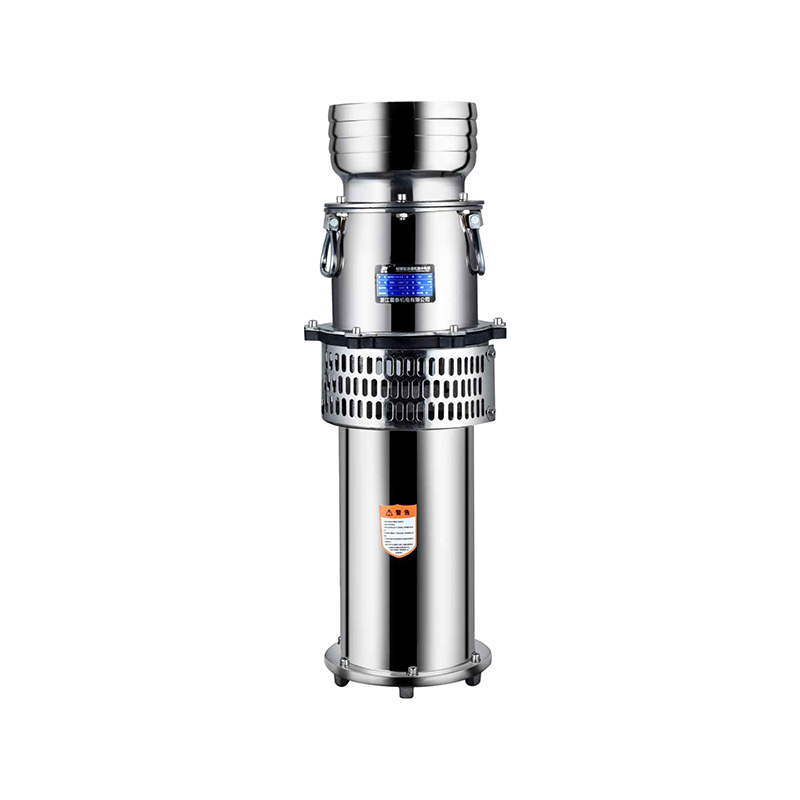
Water management projects often involve challenging installation conditions, limited access to equipment, and different power supply arrangements. Whether a pump is used for construction site drainage, agricultural irrigation, industrial water transfer, or wastewater handling, selecting the wrong configuration can lead to installation difficulties and unnecessary operating problems. When sourcing a Submersible Water Pump Electricity Powered, overseas buyers should look beyond flow rate and delivery head. Electrical compatibility, motor protection, cable arrangement, operating conditions, and maintenance access all deserve attention before a purchasing decision is made.
Match the Motor to the Available Power Supply
One of the first checks should be whether the pump motor matches the electricity available at the installation site. Different countries, facilities, and applications may use different voltage and frequency arrangements. Some projects require single-phase equipment, while larger installations may use three-phase power.
Before placing an order, buyers should confirm:
- Available supply voltage and frequency
- Single-phase or three-phase power requirements
- Motor rated power and operating current
- Starting method and electrical control requirements
- Cable length and connection specifications
These details help prevent compatibility problems during commissioning. For distributors handling several markets, confirming local electrical requirements with the manufacturer can also reduce confusion when preparing product specifications for different customers.
Understand the Relationship Between Flow Rate and Head
A pump's advertised maximum flow rate does not necessarily represent the flow it can deliver under actual working conditions. Delivery head, pipe diameter, pipeline length, bends, valves, and other system restrictions all influence operating performance.
For example, a drainage project with a long discharge pipeline may require a different pump selection from a shallow water transfer task with a short outlet connection. Buyers should therefore provide the expected water volume, vertical lifting height, and pipeline layout when requesting recommendations.
Manufacturers can use this information to evaluate the pump's performance curve and identify a suitable operating range instead of selecting a model based on one maximum specification.
Check Motor Protection for Submerged Operation
Because the pump operates underwater, the motor housing, cable entry, seals, and other protective components are important parts of the product design. Water entering the motor compartment can cause electrical faults and damage internal components.
Buyers should review the specified protection rating and installation instructions rather than assuming that every submersible pump is suitable for every depth or water condition. The permitted immersion depth, operating temperature, and installation orientation should also be confirmed for the selected model.
For manufacturers, consistent inspection of sealing structures, cable connections, and motor assembly is essential to maintaining product reliability.
Consider the Type of Water Being Pumped
Not all water transfer applications involve clean water. Construction sites may contain sand or suspended particles, while agricultural and industrial projects can involve water with different levels of sediment or other contaminants.
The liquid characteristics influence the choice of impeller, passage design, materials, and pump type. A model intended for clean water may not be appropriate for water containing larger solid particles.
Before purchasing, buyers should clarify:
- Whether the liquid is clean water or wastewater
- The approximate particle size and solid content
- Water temperature and relevant chemical characteristics
- Whether continuous or intermittent operation is expected
Providing accurate application information helps manufacturers recommend a more suitable configuration.
Plan Cable Installation and Electrical Safety
Cable arrangement is sometimes overlooked during procurement, yet it directly affects installation convenience and electrical safety. The required cable length depends on the distance between the pump and the control or power connection point.
A cable that is too short may complicate installation, while unsuitable connections or damaged insulation can create serious operating risks. Buyers should confirm cable specifications, connection methods, and applicable electrical protection requirements before installation. Qualified personnel should follow the pump manual and local electrical regulations when connecting and operating the equipment.
Evaluate Maintenance and Service Access
A submersible pump may be installed in a sump, tank, well, or drainage pit where access is limited. This makes maintenance planning important even before the equipment is purchased.
Buyers should understand how the pump is inspected, removed, cleaned, and serviced. They can also ask about the availability of replacement seals, cables, impellers, and other service components. For commercial users managing several pumps, consistent model identification and accessible spare parts can simplify maintenance planning and reduce equipment downtime.
Select a Pump Based on the Complete Application
Choosing an electric submersible pump requires a practical assessment of the power supply, hydraulic requirements, water characteristics, installation environment, and maintenance arrangements. As a manufacturer of Submersible Water Pump Electricity Powered products, we recommend that buyers share their operating conditions and project requirements before confirming a model. This allows the pump configuration to be evaluated as part of the complete water transfer system, helping overseas distributors, contractors, and industrial users make more informed purchasing decisions.