 English
 Español
 Indonesia
Stable water pressure is essential in residential buildings, commercial facilities, and other applications where water demand changes throughout the day. A system that performs well during low demand may struggle when several outlets operate simultaneously, while an oversized pump can create unnecessary operating costs and pressure fluctuations. For equipment buyers, the challenge is to select a solution that responds to changing demand without making the system difficult to manage. Understanding pump control, installation conditions, and actual water requirements helps manufacturers and purchasers develop a more suitable pressure-boosting system.
Match Pump Capacity to Real Water Demand
Selecting a booster pump starts with understanding the application. Building height, pipe resistance, required flow rate, and the number of outlets operating at the same time all influence the pressure and capacity needed.
A pump selected only by its maximum flow rate may not perform efficiently across the full range of operating conditions. Buyers should therefore consider both the expected peak demand and the more common periods of lower consumption.
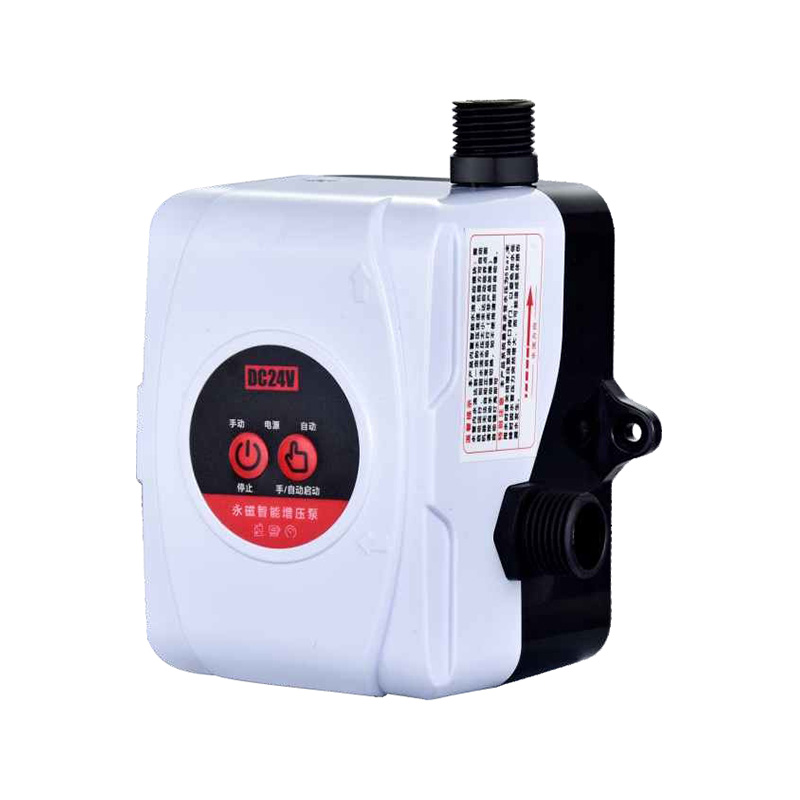
An Intelligent Permanent Magnet Variable Frequency Silent Booster Pump can adjust motor speed according to system demand, depending on its control configuration. This approach helps match pump operation more closely to changing water requirements instead of relying solely on fixed-speed operation.
Understand the Role of Variable Frequency Control
Water demand is rarely constant. In a residential building, several taps may operate during busy periods, while demand can fall considerably at other times. Commercial facilities may experience similar changes according to occupancy and operating schedules.
Variable frequency control adjusts motor speed to respond to these changes. Rather than operating at one fixed speed whenever the pump is running, the system can regulate output according to the pressure requirement and control strategy.
For buyers, it is important to confirm how the pump detects pressure changes, how the controller responds to demand, and whether the selected operating range suits the intended installation. Proper system sizing remains essential because variable frequency control cannot compensate for every limitation in the piping or water supply.
Consider Permanent Magnet Motor Performance
Motor design is another factor in booster pump selection. Permanent magnet motors can offer high efficiency and compact construction, although actual performance depends on the motor design, operating point, controller, and overall pump system.
When comparing products, procurement teams should review rated power, operating range, electrical requirements, and available performance curves. These details provide a more useful basis for evaluation than motor technology alone.
Manufacturers should also consider how the motor, pump hydraulics, and electronic controller work together. A coordinated design helps ensure that the pump can operate appropriately across its intended range of flow and pressure conditions.
Reduce Noise Through System Design
Noise can become a concern when booster pumps are installed near bedrooms, offices, occupied service areas, or other noise-sensitive spaces. However, quiet operation depends on more than the motor itself.
Pump vibration, water turbulence, pipe resonance, mounting conditions, and operating speed can all contribute to the sound experienced by users. A pump marketed as silent should therefore be evaluated according to its actual operating conditions and stated test methods.
During installation, suitable pipe supports, secure mounting, and correct alignment can help reduce avoidable vibration. Buyers should also confirm whether the product's connection arrangement and installation recommendations are appropriate for the building.
Check Pressure Stability and System Compatibility
Pressure stability affects both user comfort and the operation of connected equipment. Poorly matched pump capacity, unsuitable sensor placement, or restrictive piping may cause frequent speed changes or inconsistent delivery.
Before purchasing, engineers should review:
- Required outlet pressure and flow range
- Inlet water conditions and supply limitations
- Pipe diameter, layout, and system resistance
- Pressure sensor and controller configuration
- Protection functions and operating limits
- Compatibility with the site's electrical supply
These checks help identify installation constraints before equipment is selected and reduce the likelihood of performance problems during commissioning.
Plan for Maintenance and Long-Term Operation
A variable frequency booster pump still requires appropriate inspection and maintenance. Inlet filters, pipe connections, sensors, and electrical components should be checked according to the manufacturer's instructions and the conditions of use.
Buyers should also ask about fault indications, controller settings, replacement components, and access to technical documentation. Clear maintenance guidance makes troubleshooting more systematic and helps operators distinguish between pump faults and problems elsewhere in the water supply system.
For manufacturers, designing with service access and understandable controls in mind can make equipment easier to manage after installation.
Select a Solution Around the Complete System
Reliable water boosting depends on the relationship between motor performance, pressure control, pump capacity, installation design, and maintenance. As a manufacturer, we evaluate these factors together when developing intelligent booster pump solutions for changing water demand. Overseas distributors, engineering contractors, and equipment buyers can make more informed decisions by sharing their flow requirements, pressure targets, installation environment, and electrical specifications before confirming an order. This creates a clearer basis for selecting equipment that fits the application and supports stable water delivery.