 English
 Español
 Indonesia
Industry Background: Electrification Drives Evolution in Water Transfer Equipment
As global environmental regulations become stricter and demand for low-emission industrial equipment grows, electric drive water pumps are emerging as a preferred solution for clean water transfer applications across multiple sectors. Market data indicates the global electric water pump market is experiencing steady growth, driven by efficiency standards, urbanization, and the shift away from fossil-fuel-powered equipment in enclosed and environmentally sensitive areas.
Traditional engine-driven water pumps, while suitable for remote off-grid locations, face inherent limitations including exhaust emissions, high operational noise, frequent maintenance requirements for fuel systems and engines, and the need for regular fuel supply. For applications with access to stable grid power, electric drive pumps offer significant advantages in operating cost, reliability, and environmental impact, making them an increasingly popular choice for fixed and semi-permanent water transfer installations.
Engineering Design: Optimized for Efficient, Stable Performance
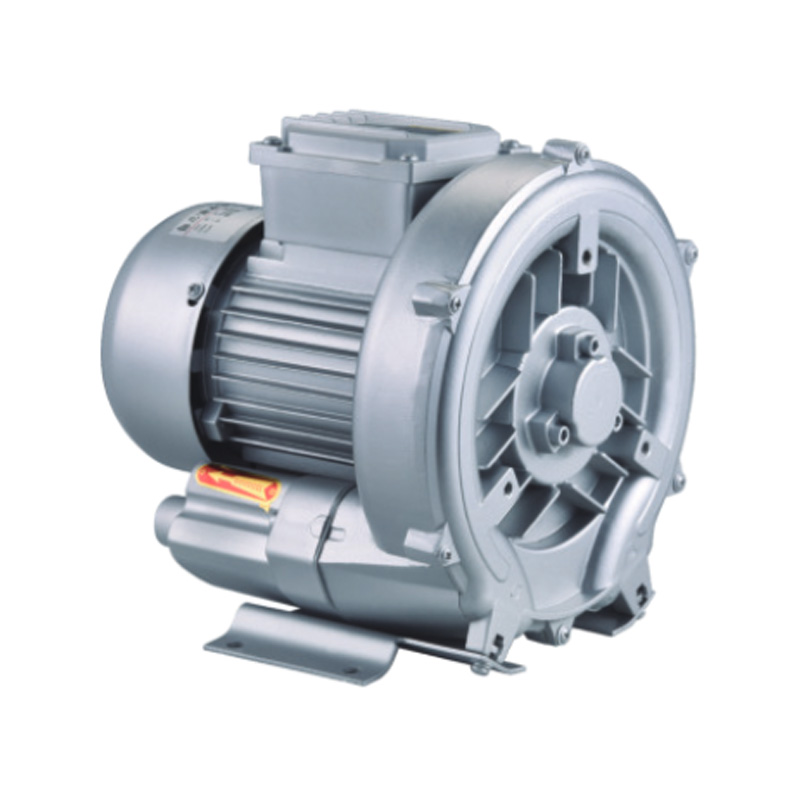
The DSU series high-flow electric pump is purpose-built for efficient, clean, and stable water transfer. Powered by a high-efficiency electric motor, the unit enables completely fuel-free operation with fast startup characteristics and straightforward handling, supporting continuous long-duration operation without the refueling stops or engine cool-down periods required by fuel-powered alternatives.
At the heart of the pump's hydraulic performance is a high-efficiency impeller developed using computational fluid dynamics (CFD) simulation technology. Through optimized flow channel design and impeller geometry, the design achieves an effective balance between head pressure and flow rate, reducing hydraulic losses within the pump and improving overall operating efficiency compared to conventional impeller designs. This optimized hydraulic performance ensures consistent water delivery even across extended operating periods.
The pump features a low-center-of-gravity frame structure that enhances operational stability, reducing vibration during operation and simplifying deployment and relocation. The balanced design minimizes tipping risk on uneven surfaces and provides a solid foundation for continuous high-flow operation.
Operational Advantages for Modern Work Sites
A key benefit of electric drive design is zero operational emissions, making these pumps suitable for use in enclosed spaces, underground facilities, urban areas, and other locations where exhaust fumes from fuel-powered pumps would create health or safety risks. The electric motor design also delivers low-noise operation, reducing sound pollution on job sites and making the pumps suitable for residential areas, public facilities, and noise-sensitive environments.
Compared to engine-driven pumps, electric drive units feature fewer moving parts and eliminate the need for oil changes, filter replacements, fuel system maintenance, and engine tune-ups, reducing long-term maintenance requirements and downtime. The simple startup procedure—connecting to a suitable power supply and starting the motor—reduces operator training requirements and enables quick deployment for urgent water transfer needs.
Installation and Operational Guidelines
Proper setup is essential for optimal pump performance and service life. Before operation, place the pump on a stable, level surface to minimize vibration and ensure proper alignment of rotating components. Operators should inspect all inlet and outlet connections to confirm they are securely tightened and properly sealed to prevent air leaks that can reduce priming ability and flow efficiency.
Once piping connections are verified, connect the unit to a properly rated, stable power supply with appropriate electrical protection. After starting the electric motor, the high-efficiency impeller will quickly build pressure and maintain stable water flow and head performance for the duration of operation. Regular inspection of connection tightness and impeller condition helps maintain consistent performance across the pump's service life.
Typical Application Scenarios
The combination of zero emissions, low noise, and reliable long-duration operation makes these high-flow electric pumps suitable for a wide range of clean water transfer applications:
- Fixed agricultural irrigation stations with grid power access
- Water treatment plant intake and distribution
- Building and municipal water supply booster systems
- Industrial process water circulation and transfer
- Construction site fixed dewatering stations
- Underground and indoor drainage applications
- Aquaculture pond water exchange and circulation
- Landscape and fountain water systems
- Emergency water supply for public facilities
- Swimming pool and water feature maintenance
Industry Development Outlook
As electrification continues across industrial and agricultural sectors, electric drive pumps are expected to capture an increasing share of the water transfer market. Current development trends include integration of variable frequency drives to adjust motor speed based on real-time flow demand, further reducing energy consumption; incorporation of sensor technology for remote monitoring and predictive maintenance; and continued optimization of hydraulic design using advanced simulation tools to improve efficiency further.
The DSU series high-flow electric pump addresses key industry requirements for clean, efficient, and low-maintenance water transfer. By combining fuel-free zero-emission operation, CFD-optimized hydraulic performance, and a stable low-center-of-gravity design, these pumps provide operators with a reliable solution for long-duration water transfer in locations with access to electrical power, supporting more sustainable and cost-effective water management operations.