 English
 Español
 Indonesia
Industry Background: Efficiency Becomes Core Priority in Aquaculture Aeration
As global aquaculture production continues to intensify to meet rising protein demand, dissolved oxygen management has emerged as one of the most critical factors influencing farm productivity and stock survival. Aeration systems typically account for more than 60% of total electricity consumption at intensive aquaculture facilities, making energy efficiency a primary consideration for operators looking to control operational costs.
Traditional aerator designs, which rely on gear transmission systems and conventional induction motors, face persistent challenges including mechanical transmission losses, frequent maintenance requirements, and poor adaptability to voltage fluctuations. In many aquaculture regions—particularly remote coastal and rural areas—grid instability presents additional operational risks, as voltage sags and surges can lead to equipment failure and catastrophic stock loss from oxygen deprivation.
Technology Breakthrough: Gearless Direct-Drive Permanent Magnet Design
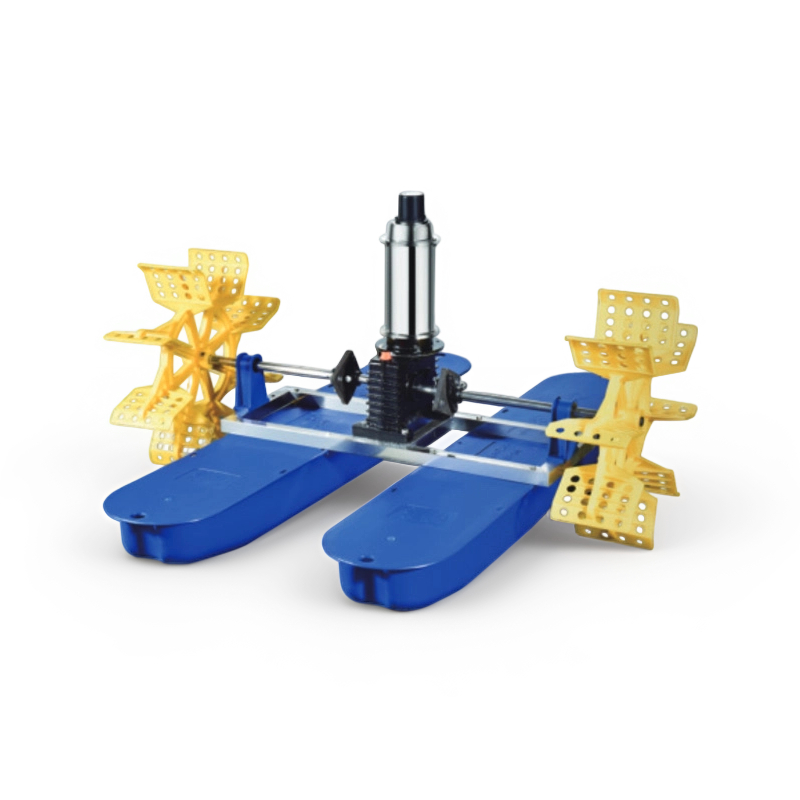
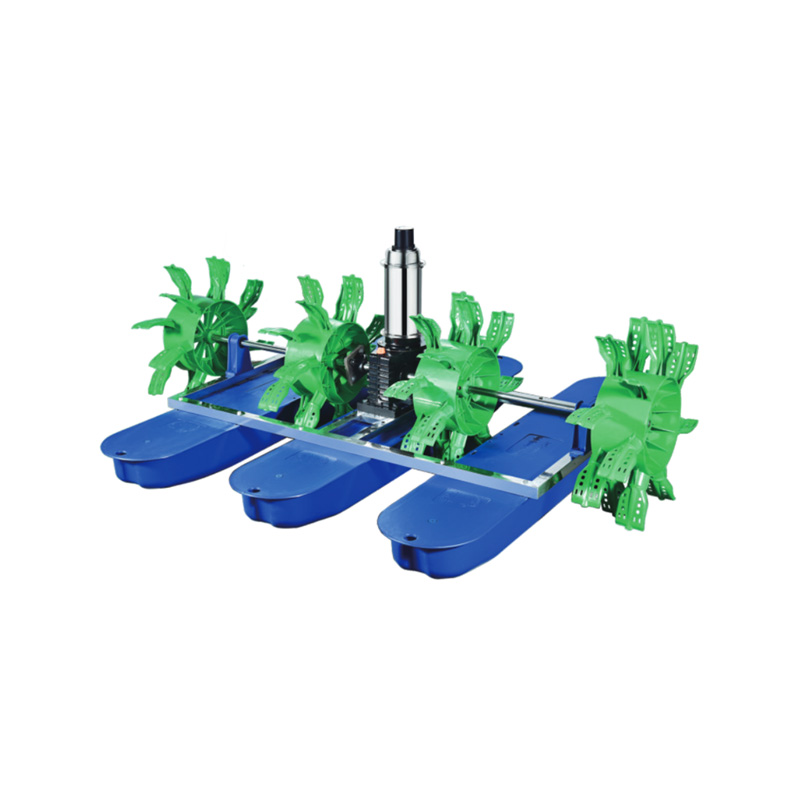
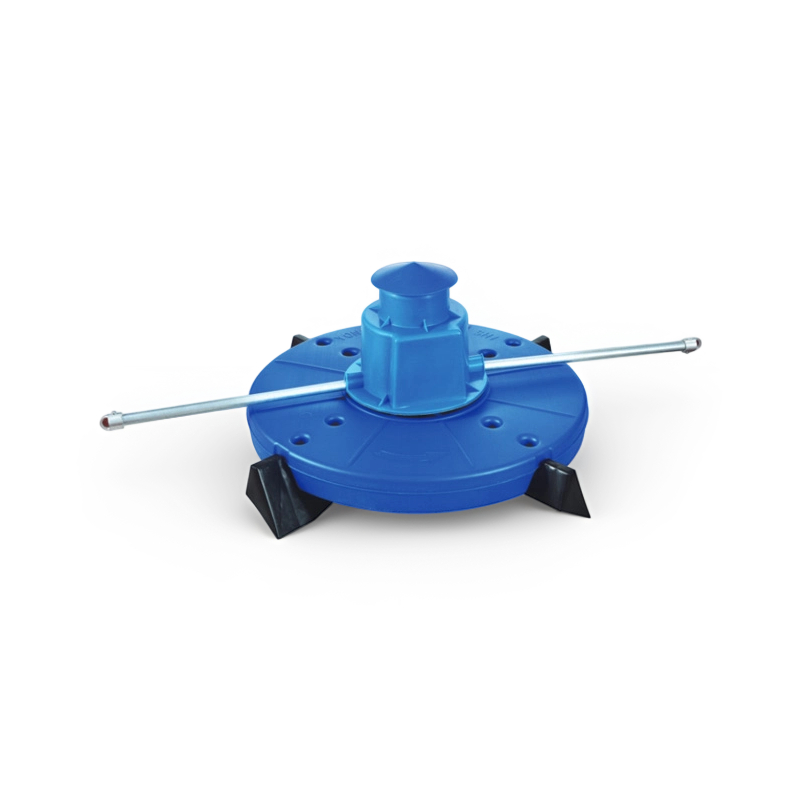
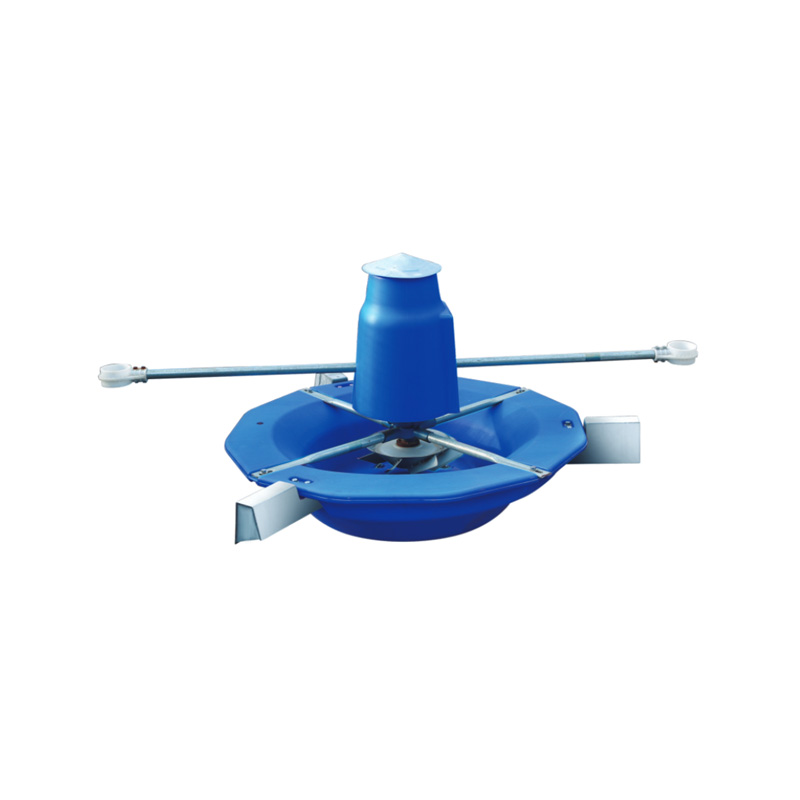
The latest generation of permanent magnet variable frequency aerators addresses these industry pain points through fundamental engineering innovation. At the core of the design is a gearless direct-drive architecture powered by a brushless DC motor, which eliminates the energy losses associated with traditional gear transmission systems. This design achieves direct drive efficiency of up to 90%, translating to energy savings of more than 30% compared to conventional aerator models.
Beyond energy efficiency, the gearless design significantly reduces maintenance requirements. Without gearboxes that require regular oil changes and are prone to wear and tear, operators can minimize routine maintenance tasks and reduce long-term servicing costs. The brushless motor architecture also extends equipment service life by reducing friction-related wear and heat generation during continuous operation.
Intelligent Control Systems for Stable Operation
Equipped with an intelligent variable frequency control system, these aerators maintain consistent performance even under fluctuating voltage conditions. The 220V models support an operating range of 120V to 280V, while 380V models accommodate 220V to 500V, providing reliable operation in areas with unstable grid infrastructure. This wide voltage tolerance reduces the risk of motor burnout and unexpected shutdowns that can threaten aquaculture stock.
The integrated soft-start function gradually brings the motor to operating speed, reducing inrush current during startup and minimizing water disturbance that can stress cultured species. For 380V models, built-in phase loss protection automatically detects abnormal power supply conditions and safeguards the motor from damage, further enhancing operational reliability.
Durable Construction for Diverse Aquatic Environments
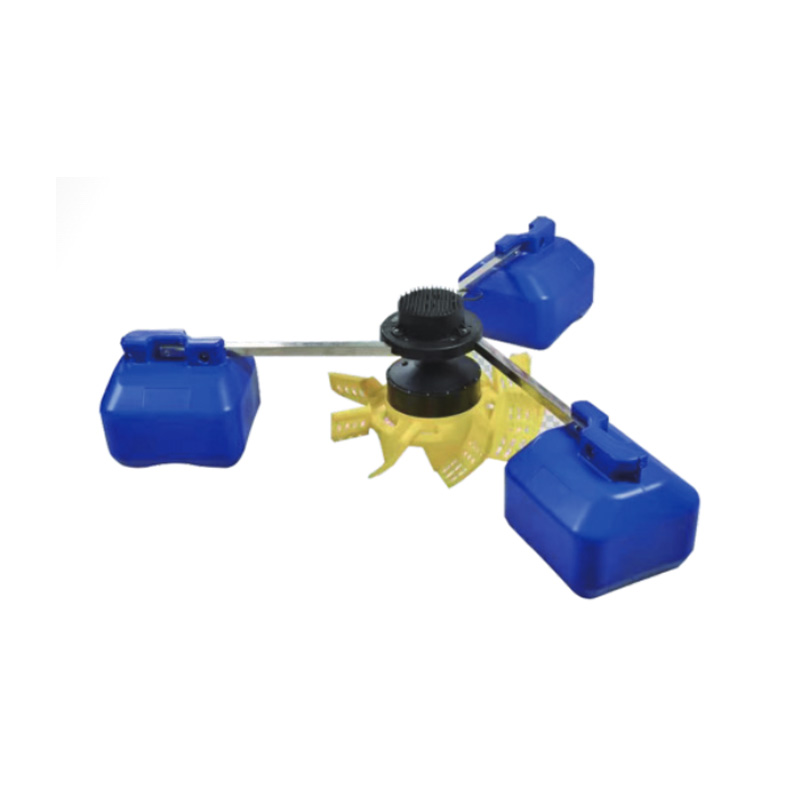
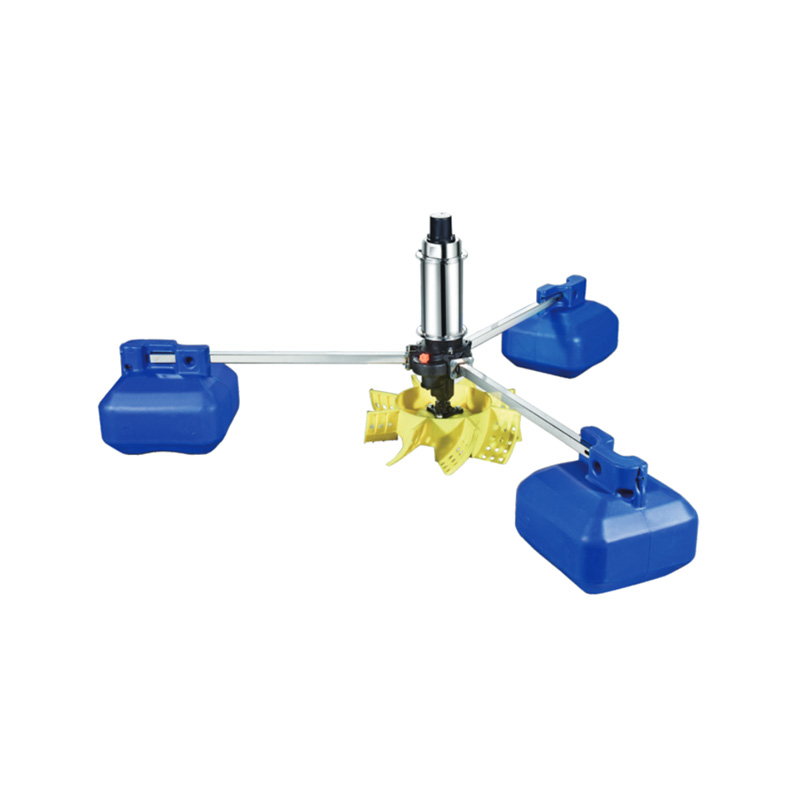
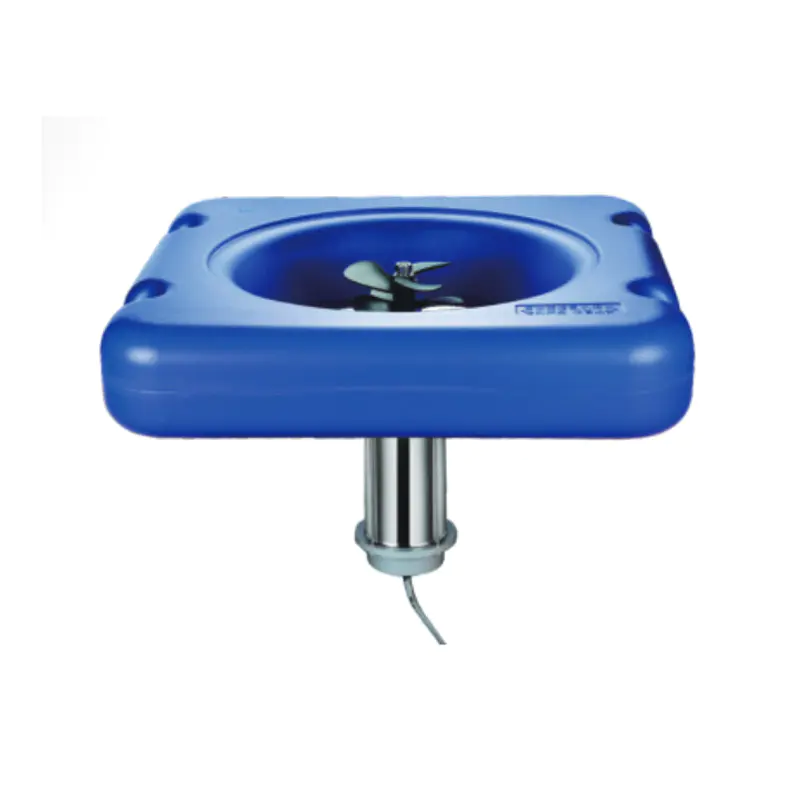
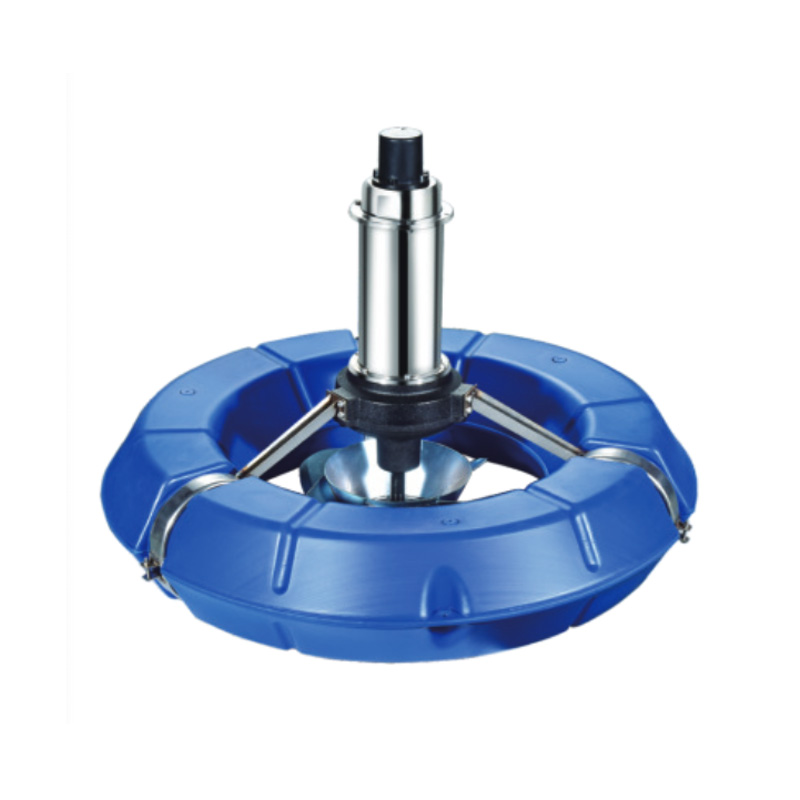
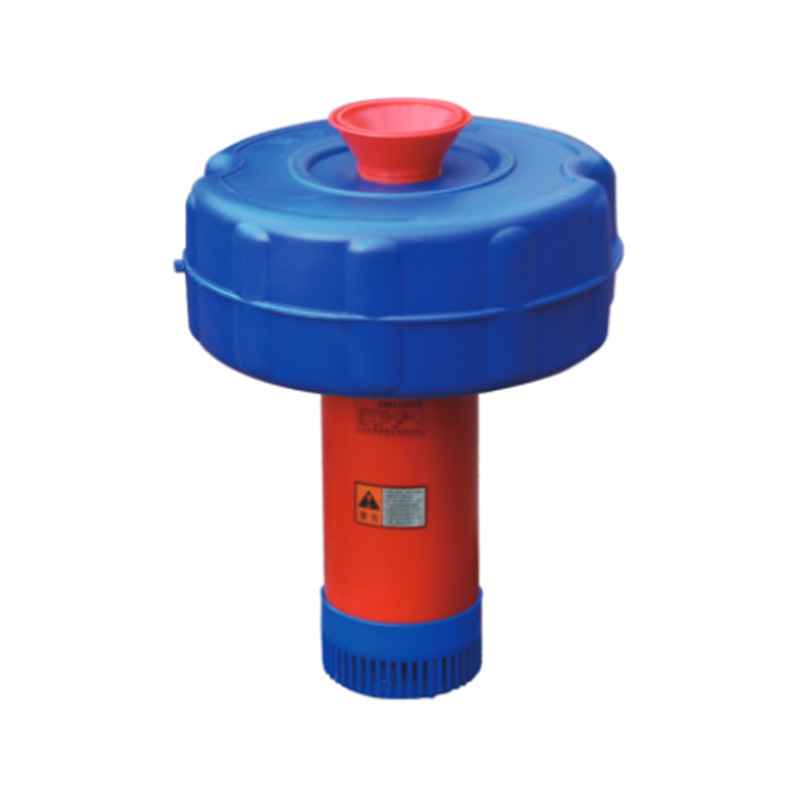
Recognizing the harsh operating conditions in aquaculture settings, these aerators feature an integrated waterproof controller with a rating approaching IP67, protecting electronic components from moisture, splashing, and high humidity. The material selection is optimized for corrosion resistance in both freshwater and saltwater environments: PE floats provide excellent buoyancy and UV resistance, PA central flanges offer structural strength and chemical resistance, and 304 stainless steel connecting brackets withstand prolonged exposure to saline conditions.
The lightweight structural design enables single-person installation and operation, reducing labor costs and simplifying deployment across multiple ponds. This ease of use makes the equipment accessible to both small-scale family farms and large commercial aquaculture operations.
Operational Value and Industry Outlook
For aquaculture operators, the benefits of permanent magnet variable frequency aerators extend beyond direct electricity cost savings. Reduced maintenance requirements translate to less downtime and lower servicing expenses, while improved operational stability reduces the risk of equipment failure during critical production periods. The gentle startup and stable operation help minimize stress on fish and shrimp, supporting better growth rates and improved feed conversion ratios.
As the global aquaculture industry continues its shift toward more sustainable and cost-effective production practices, energy-efficient aeration technologies like permanent magnet variable frequency systems represent an important advancement. By addressing longstanding challenges related to energy consumption, maintenance demands, and grid adaptability, these systems are helping producers worldwide improve their operational resilience and economic viability while supporting the sustainable growth of the aquaculture sector.