 English
 Español
 Indonesia
Industry Background: Clean Air Supply Becomes Critical Industrial Requirement
As industrial automation and environmental protection sectors continue to expand, reliable air source equipment has emerged as a foundational component across manufacturing and processing operations. Occupying the middle ground between low-pressure fans and high-pressure compressors, vortex air blowers—also known as regenerative blowers—have seen growing adoption due to their unique balance of pressure output, operational efficiency, and air quality.
Market data indicates the global high-pressure vortex blower market is experiencing steady growth, driven by rising demand for contamination-free air supply in sectors including food processing, pharmaceuticals, electronics manufacturing, and wastewater treatment. Traditional air supply equipment often faces limitations such as oil contamination in output air, single-function design, high operational noise, and frequent maintenance requirements, creating demand for more versatile and reliable solutions.
Engineering Design: Optimized Structure for Stable Performance
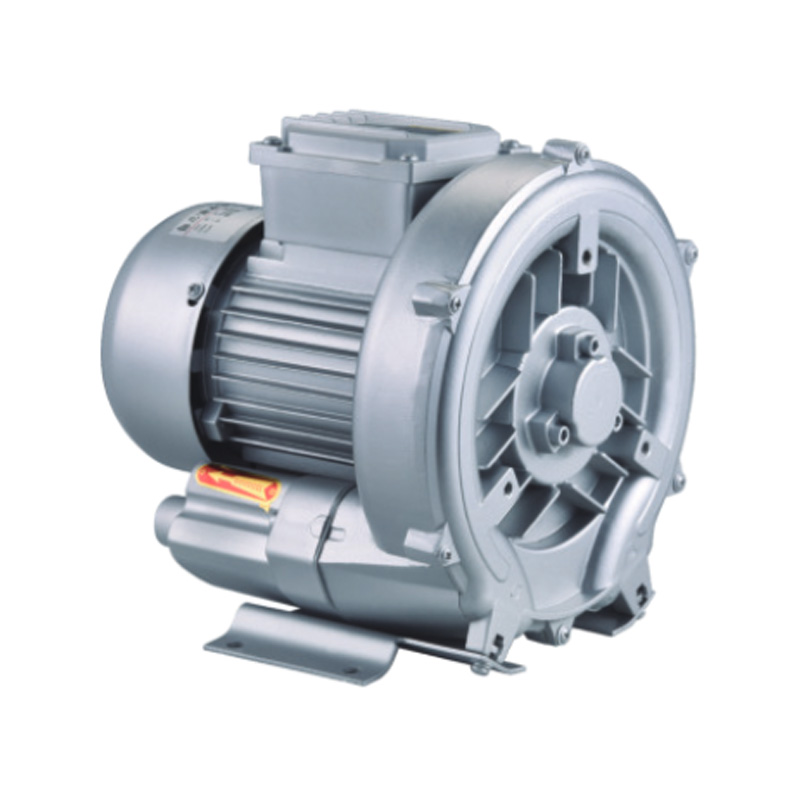
Modern high-pressure vortex air blowers feature a lightweight aluminum alloy housing that provides structural rigidity while reducing overall equipment weight by approximately 20% compared to steel alternatives, simplifying installation and handling. At the core of the unit is a specially engineered multi-blade vortex impeller that operates on the regenerative compression principle: as the impeller rotates, air is accelerated through multiple vane stages, creating consistent high-pressure airflow with minimal pulsation.
The equipment uses a fully enclosed externally ventilated motor that maintains stable operating temperatures during continuous use, extending motor service life even in demanding industrial environments. The contact-free design between the impeller and housing eliminates internal friction, reducing wear and removing the need for lubrication within the air chamber. This design ensures the output air remains completely oil-free and water-free, meeting the air purity requirements of sensitive industrial applications.
Core Functional Features
A defining characteristic of these vortex blowers is their dual-function design, supporting both blowing and suction operations without requiring major configuration changes. This versatility allows a single unit to serve multiple process requirements at a facility, reducing equipment investment costs for operators. The integrated adjustable damper system enables precise control over airflow volume, allowing users to match output to specific application requirements and optimize energy use.
Through fluid dynamic optimization of the impeller and internal air channels, these blowers achieve low-noise operation compared to traditional positive displacement blowers, creating a more comfortable working environment for production floor personnel. The airflow output remains consistent across extended operating periods, with minimal pressure fluctuation even under changing system resistance, supporting stable process performance.
Installation and Operational Guidelines
Proper installation and operation are essential to maximizing equipment service life and performance. Before startup, the blower should be placed on a stable, clean, dry, and well-ventilated surface to ensure adequate heat dissipation and prevent vibration during operation. Operators must verify the impeller rotates in the correct direction as indicated on the equipment housing before connecting to process piping, as reverse rotation can reduce performance and potentially damage the unit.
When connecting the air outlet to external piping, reinforced rubber hoses are recommended to isolate vibration and ensure stable airflow transmission. During regular operation, maintenance personnel should periodically clean the inlet and outlet filters and silencers to prevent blockage from dust and debris, which can reduce airflow efficiency and increase operating noise. Routine inspection of connection tightness and bearing condition helps prevent unexpected downtime and extends the interval between major servicing.
Diverse Industrial Applications
The combination of oil-free air output, dual functionality, and reliable high-pressure performance makes these vortex blowers suitable for a wide range of industrial applications:
- Wastewater treatment aeration and bioreactor oxygenation
- Vacuum holding and positioning for packaging and printing equipment
- Pneumatic conveying of granular and powdered materials
- Air knife drying and parts cleaning in manufacturing lines
- Aquaculture pond aeration and water circulation
- Dust collection and fume extraction in industrial processes
- Electroplating bath agitation and solution mixing
- Air cushion support for material handling systems
- Dental and medical equipment air supply
- Soil remediation and environmental engineering projects
Industry Development Outlook
As industrial operations place greater emphasis on energy efficiency, air purity, and equipment reliability, vortex air blower technology continues to evolve. Current development trends include integration of variable frequency drive systems to further reduce energy consumption, adoption of advanced noise reduction materials, and incorporation of sensor technology for predictive maintenance and performance monitoring. The lightweight aluminum construction and modular design of modern units also support easier integration into automated production systems.
With the global push toward more sustainable industrial practices, oil-free air supply equipment like high-pressure vortex blowers is expected to see expanded use across both traditional manufacturing and emerging sectors. Their ability to deliver reliable, clean air supply with minimal maintenance requirements makes them a practical choice for operators looking to improve process stability while reducing long-term operational costs.