 English
 Español
 Indonesia
Modern aquaculture depends on maintaining suitable water quality throughout the production cycle. Among the most important water-quality factors is dissolved oxygen, which supports fish, shrimp, beneficial microorganisms, and the natural biological processes that keep a pond stable. When oxygen levels fall, aquatic animals may become stressed, feed conversion may worsen, harmful organic matter may accumulate, and mortality risks may increase. A reliable aeration system is therefore an essential investment for commercial fish farms, shrimp farms, ecological ponds, and other managed water environments.
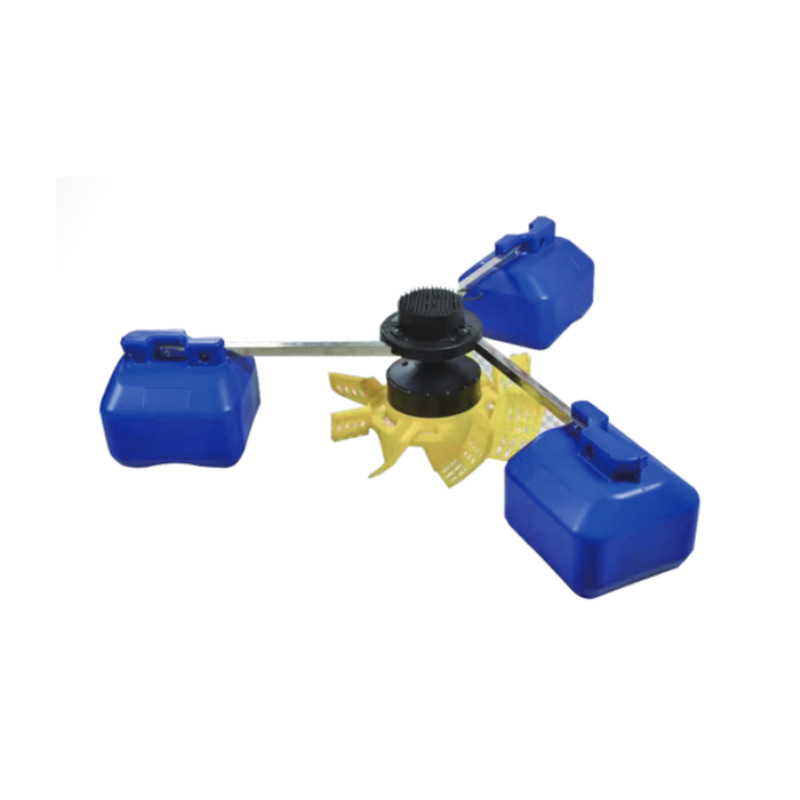
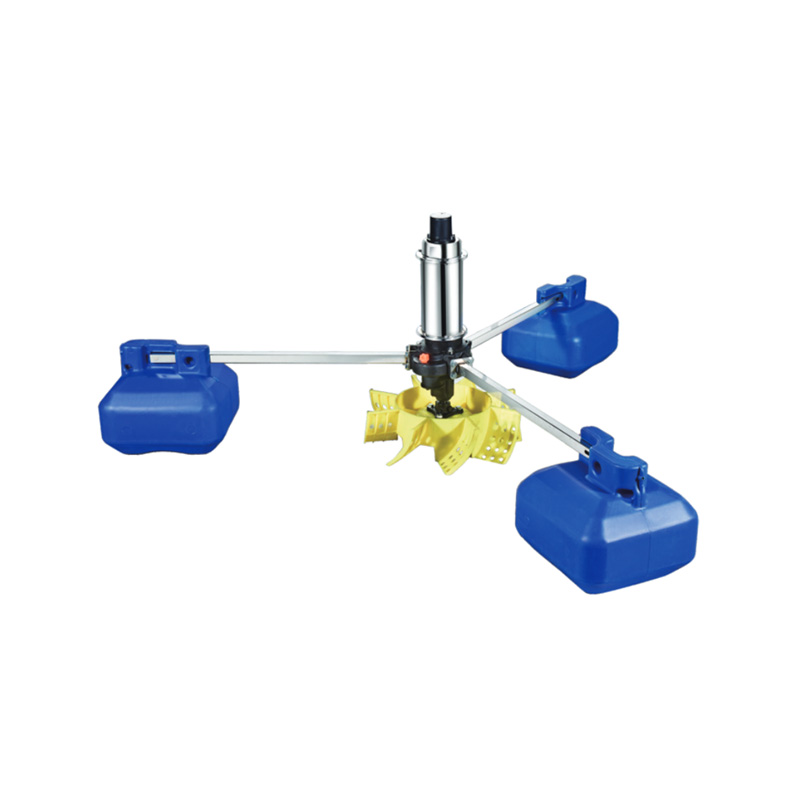
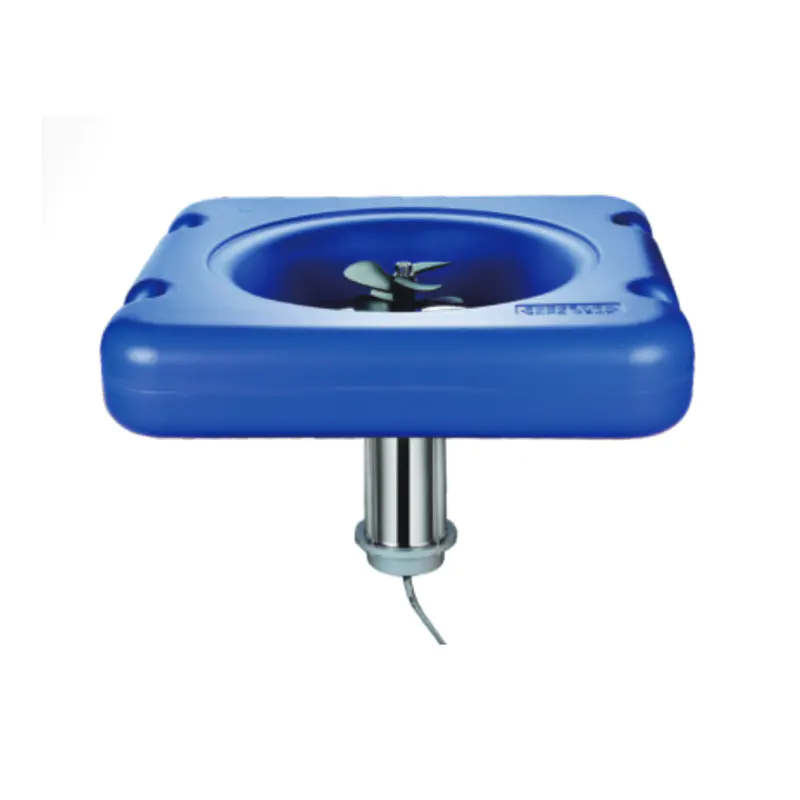
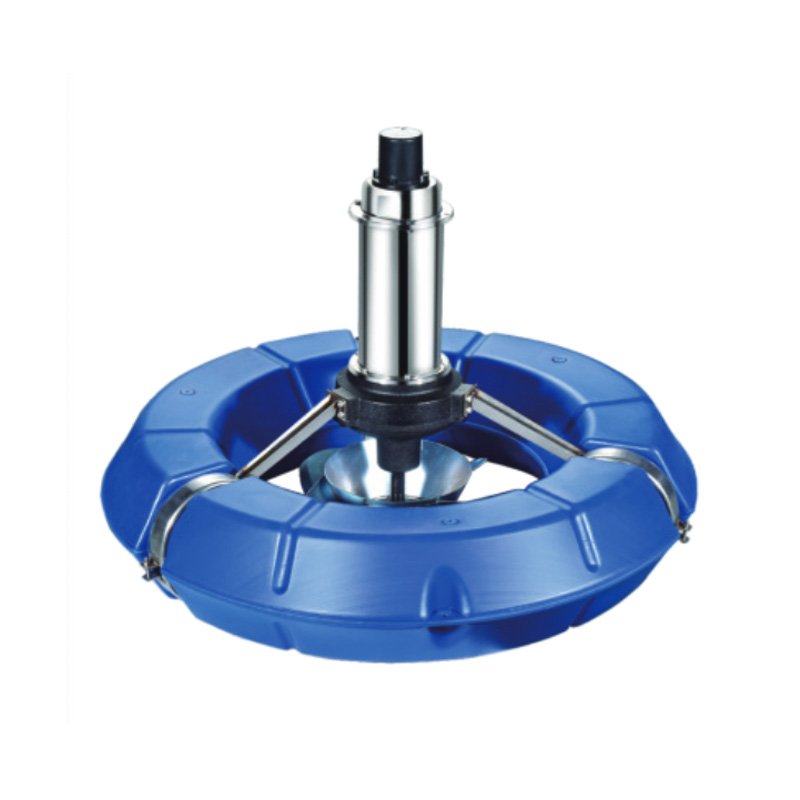
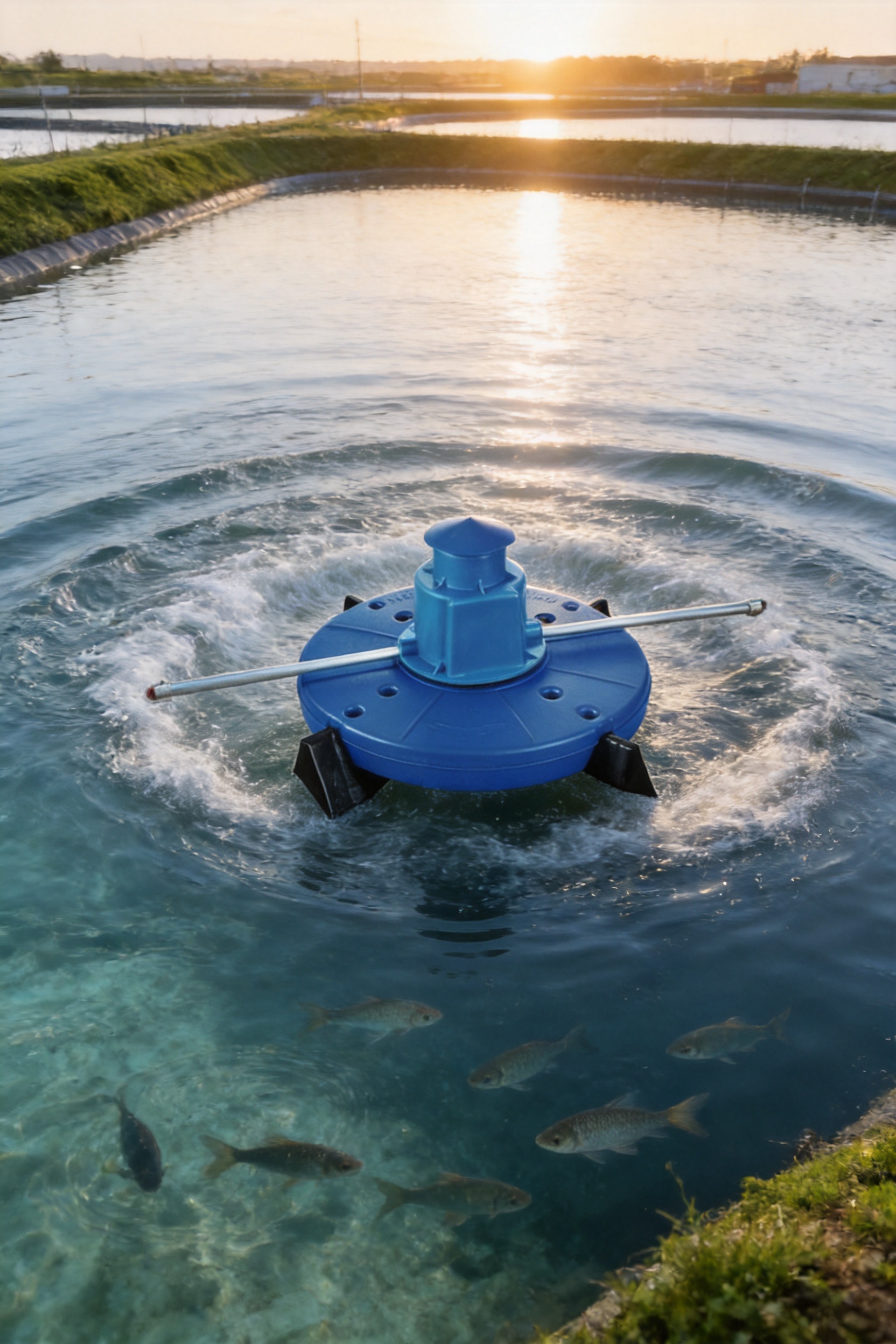
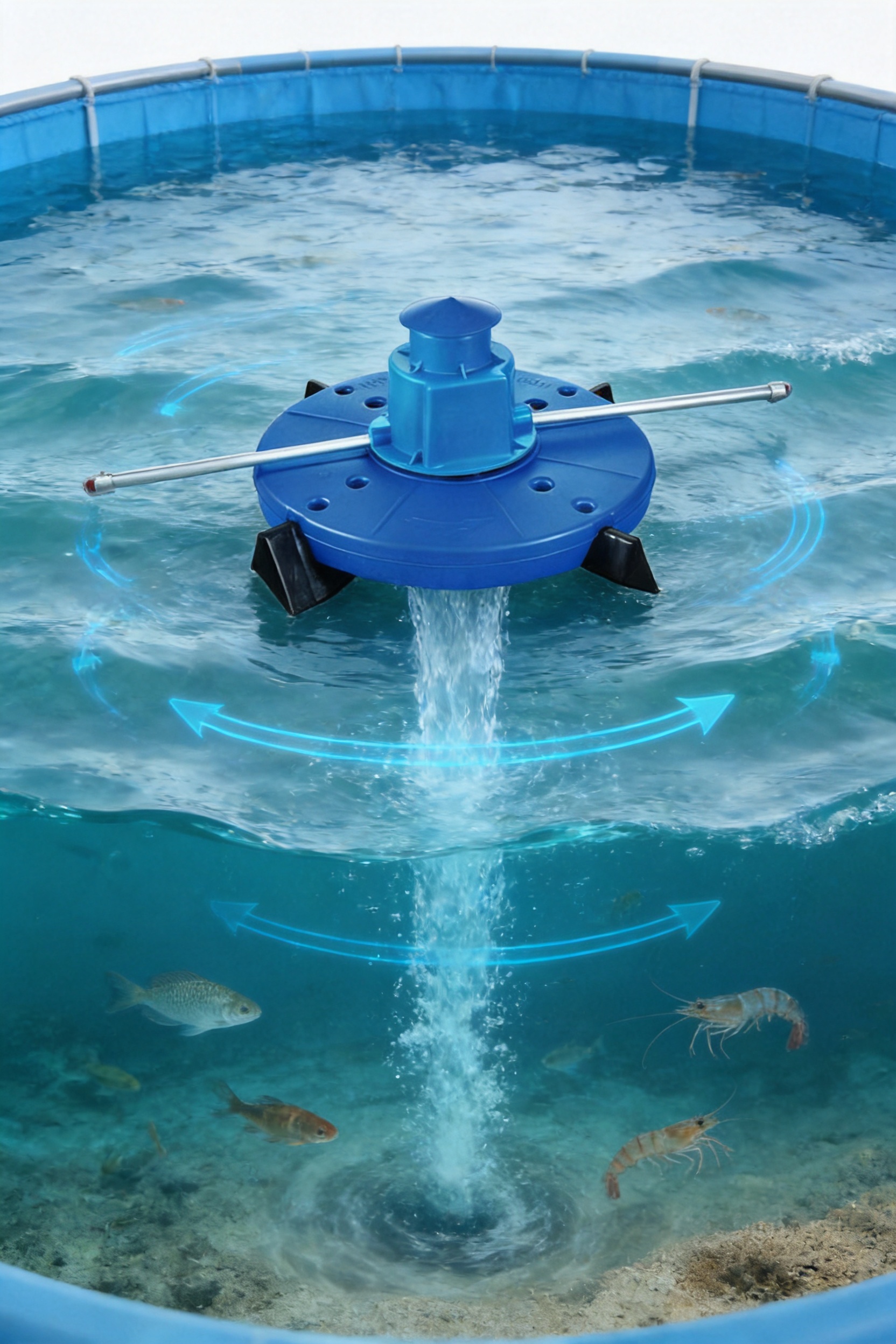
The Wave Maker Surge Aerator is designed as a wave-form oxygenation system that combines surface movement, water circulation, and oxygen transfer. Instead of relying only on localized bubbling, the unit generates continuous rolling wave motion across the water surface. This movement helps transport oxygen-rich surface water toward deeper layers while bringing water from the bottom upward. The result is improved circulation and more even distribution of dissolved oxygen throughout the effective working zone.
Available in 0.9 kW and 1.5 kW power options, the aerator is suitable for different pond sizes and operating conditions. The 1.5 kW version is particularly recommended for locations where voltage may be unstable, offering a practical operating choice for farms that need additional performance reliability during power fluctuations. With an effective working depth of up to 2 meters and a design focused on energy-conscious operation, the system provides a balanced solution for aquaculture operators seeking dependable pond aeration.
Understanding the Role of Wave-Based Aeration
Aeration is more than simply adding air to water. Effective pond oxygenation depends on how efficiently an aerator transfers oxygen, how widely it circulates water, how deeply it influences the pond, and how consistently it operates. A system that creates strong water movement can improve contact between air and water while distributing oxygen over a wider area.
The Wave Maker Surge Aerator operates by generating a continuous wave pattern. As the wave travels across the pond surface, it increases surface disturbance and promotes the exchange of gases between the atmosphere and the water. At the same time, the movement encourages circulation between surface and lower layers. This combination can reduce stagnant zones, where oxygen levels may otherwise decline.
In a typical pond, water temperature and oxygen concentration are not uniform. Surface water may receive oxygen from contact with the atmosphere and sunlight-driven photosynthesis, while deeper water may contain more organic matter and consume oxygen through biological decomposition. Without adequate circulation, these layers can remain separated. The wave-form action of this aerator is intended to help reduce such separation and support a more balanced water environment.
The system is especially relevant for ponds where water movement is needed in addition to direct oxygen transfer. Its operating principle can help support fish and shrimp production by encouraging circulation over a broader area rather than concentrating movement around a small discharge point.
Product Overview and Main Configuration
The Wave Maker Surge Aerator is offered in two principal power configurations: 0.9 kW and 1.5 kW. The selection should be based on pond size, stocking density, operating schedule, available electrical supply, water conditions, and the level of circulation required.
The 0.9 kW model is intended for applications where moderate wave generation and oxygenation are sufficient. It can be considered for smaller ponds, lower stocking densities, or installations where energy consumption must be carefully controlled. The 1.5 kW model provides a higher operating capacity and is the recommended option for areas affected by unstable voltage according to the supplied product information.
Although the product family includes both power choices, the available performance table provides detailed specifications for the 1.5 kW configuration. These specifications include 220 V and 380 V electrical options, a rated speed of 35 r/min, oxygen transfer rates from at least 0.8 to at least 1.2 kg O₂/h depending on the listed configuration, and stated capacity values of at least 5,000 to at least 7,200 m³/h.
| Item | Available or Listed Specification | Operating Significance |
| Product type | Wave-form surge aerator | Creates wave movement and promotes water circulation |
| Power options | 0.9 kW and 1.5 kW | Allows selection according to pond conditions and operating requirements |
| Recommended configuration for unstable voltage | 1.5 kW model | Provides a practical choice where electrical conditions are less consistent |
| Effective working depth | Up to 2 meters | Supports circulation in suitably deep pond areas |
| Listed voltage options | 220 V and 380 V | Supports different site electrical systems |
| Listed speed | 35 r/min | Controls the wave-generation operating cycle |
| Oxygen transfer rate | At least 0.8 or at least 1.2 kg O₂/h, depending on configuration | Indicates oxygenation performance under the corresponding test condition |
| Power efficiency | At least 1.6 or at least 2.4 kg O₂/kWh, depending on configuration | Indicates oxygen transfer relative to electrical consumption |
| Stated capacity | At least 5,000 or at least 7,200 m³/h | Represents the listed water-handling capacity for the relevant configuration |
Electrical installation should always be matched to the actual motor nameplate, local regulations, and site conditions. Buyers should confirm the required voltage, phase arrangement, protective equipment, cable sizing, and control method before placing an order or beginning installation.
How the Wave Maker Surge Aerator Improves Water Movement
The main functional advantage of this product is its ability to generate purposeful wave movement rather than only a small area of turbulence. The repeated wave action can move water horizontally across the pond and vertically between layers. This broader movement is important because oxygen demand is rarely concentrated in one location.
When water is circulated from deeper areas toward the surface, it is exposed to the atmosphere and can receive oxygen through surface exchange. When oxygenated surface water is moved downward, it can help improve conditions below the surface. This circulation also helps distribute nutrients, temperature, and suspended materials more evenly, although the actual result depends on pond shape, water depth, wind conditions, stocking density, and operating duration.
The product is designed for an effective working depth of up to 2 meters. This makes it suitable for many aquaculture ponds and managed water areas that require circulation through shallow or medium-depth water columns. It should be installed in a position that allows the wave pattern to travel freely and should not be obstructed by pond walls, dense vegetation, floating structures, or other equipment.
Strong movement can also reduce areas of stagnation. Stagnant zones may experience low dissolved oxygen, excessive sediment accumulation, and uneven water quality. By creating regular circulation, a wave-form aerator can help reduce the chance that certain pond sections remain isolated from the main oxygenation pattern.
During initial operation, some temporary turbidity may occur. This is a normal possibility when water movement lifts fine sediment from the pond bottom. The supplied product information indicates that water clarity can gradually improve as operation continues. Operators should begin with a controlled trial, observe the pond response, and adjust the operating schedule when necessary.
Energy Performance and Operating Economy
Energy cost is a major consideration for aquaculture farms because aerators may operate for many hours each day, particularly during hot weather, nighttime periods, cloudy conditions, or high-biomass production stages. An aerator must therefore provide useful oxygenation without creating unnecessary electrical demand.
The supplied comparison indicates that a 3 kW impeller aerator may consume approximately 3 kWh per hour, while the Wave Maker Surge Aerator is described as consuming approximately 0.8 to 0.9 kWh per hour. The 1.5 kW model is listed at approximately 1 kWh per hour. Actual consumption will vary according to voltage, electrical efficiency, water resistance, operating conditions, installation, and the condition of the motor and control system.
These figures suggest an important potential operating advantage over a higher-rated 3 kW impeller aerator when the pond does not require that level of input. Lower hourly consumption can reduce the cost of long-duration aeration and may allow farms to operate the equipment for longer periods within a similar energy budget.
Energy efficiency should not be judged only by motor power. It should also be considered together with the amount of water moved, the oxygen transferred, the area influenced, and the operating schedule. The listed power-efficiency values of at least 1.6 and at least 2.4 kg O₂/kWh provide useful reference points for comparing the listed configurations. However, final field performance should be verified under actual site conditions and according to the relevant testing method.
For farms using generators, solar-assisted systems, or limited electrical infrastructure, efficient aeration can be especially valuable. Reducing hourly consumption may lower fuel requirements, decrease generator loading, and make it easier to maintain aeration during critical periods. Operators should still ensure that the electrical source is stable enough for the selected model and that suitable overload and short-circuit protection is installed.
Advantages Compared with Conventional Aeration Approaches
Broad Water Movement
Some conventional aeration methods create strong action close to the machine but have limited influence farther away. The wave-form design is intended to extend movement across the pond surface and encourage circulation through a wider area. This can be beneficial in ponds where oxygen distribution, rather than localized turbulence alone, is the primary concern.
Combined Oxygenation and Circulation
The system provides two related functions: it supports air-water contact at the surface and promotes movement between water layers. This combined approach can be more suitable than a solution that focuses only on bubbling or only on surface agitation. The best equipment choice still depends on the pond design, but the integrated circulation principle is a notable benefit.
Lower Stated Energy Consumption
Compared with the supplied reference example of a 3 kW impeller aerator, the listed consumption of approximately 0.8 to 1 kWh per hour can help reduce operating expenditure where the application is properly matched to the equipment. Lower consumption also supports longer operating schedules and may reduce the capacity required from generators or other power systems.
Adaptation to Unstable Voltage Conditions
Unstable voltage can create operational risks, including motor overheating, reduced performance, nuisance tripping, and premature component wear. The 1.5 kW model is specifically recommended in the product information for areas with unstable voltage. Buyers should understand that choosing the recommended model is not a substitute for voltage protection, correct wiring, or professional electrical installation. Surge protection, phase protection, overload protection, and suitable control equipment may still be necessary.
Support for Medium-Depth Ponds
With an effective working depth of up to 2 meters, the product is suited to many commercial aquaculture ponds and farm water areas. Its performance is most likely to be effective when the pond layout allows the generated waves to travel without excessive obstruction.
Flexible Electrical Options
The detailed specification table includes both 220 V and 380 V versions of the 1.5 kW model. This gives international buyers and project planners more flexibility when matching the equipment to local electrical infrastructure. Voltage selection must be confirmed before shipment because an incorrectly specified motor can cause installation delays or equipment damage.
Performance Specifications Explained
The listed model designation is ZT-1.5, with a power rating of 1.5 kW. The table includes 220 V and 380 V versions operating at 35 r/min. One listed 220 V configuration provides an oxygen transfer rate of at least 0.8 kg O₂/h, power efficiency of at least 1.6 kg O₂/kWh, capacity of at least 5,000 m³/h, and a load value of 4. A 380 V configuration is also listed with the same values.
A further 380 V entry shows at least 1.2 kg O₂/h oxygen transfer, at least 2.4 kg O₂/kWh power efficiency, at least 7,200 m³/h capacity, and a load value of 6. These entries appear to represent different performance configurations or operating conditions within the same product designation. Buyers should request a formal technical datasheet or quotation that clearly identifies the motor, impeller or wave assembly, electrical configuration, test conditions, and expected performance before final selection.
The oxygen transfer rate is a measure of the quantity of oxygen introduced into the water under a defined test condition. It should not be interpreted as a guaranteed field result for every pond. Water temperature, salinity, altitude, organic loading, depth, and installation position can all influence actual oxygen transfer.
Power efficiency expresses oxygen transfer in relation to electrical energy consumption. A higher value generally indicates that more oxygen is transferred for each unit of electricity used. This is an important purchasing metric for farms where equipment runs continuously or where energy prices are high.
The stated capacity values, expressed in cubic meters per hour, indicate the volume of water associated with the listed operating performance. Capacity and oxygen transfer are related but not identical. A unit can move a large volume of water while producing a different oxygen transfer result depending on surface exposure, turbulence, and operating conditions.
Application Areas
Fish Farming Ponds
Fish farms require consistent oxygen distribution, particularly during periods of high stocking density, warm weather, rapid feeding, or low nighttime photosynthesis. The wave-form system can be used to help circulate pond water and reduce low-oxygen areas. It may serve as the primary aeration unit in suitable ponds or operate as part of a larger aeration plan.
Shrimp Aquaculture
Shrimp ponds often require careful management of bottom conditions and dissolved oxygen. Circulation can help reduce localized stagnation and support a more uniform water environment. Because shrimp systems can be sensitive to sudden changes, operators should introduce the aerator gradually and monitor dissolved oxygen, turbidity, pH, and animal behavior.
Ecological and Landscape Ponds
The equipment may also be used in managed landscape lakes, ecological ponds, and decorative water areas where water movement and oxygenation are needed. In these applications, the operator should consider noise, visual appearance, public safety, floating access restrictions, and the possible disturbance of sediment or aquatic plants.
Farm Water Storage Areas
Stored water can become stagnant when it remains unused for long periods. Controlled circulation may help maintain better water conditions and reduce surface stagnation. The suitability of the aerator depends on the size and depth of the storage area and whether the wave action can be safely contained.
Installation Guidance
Correct installation is essential for achieving useful performance. Before installation, inspect the pond layout, water depth, access points, electrical supply, and potential obstacles. Select a designated water area where the unit can generate waves without striking the bank, floating structures, protective barriers, or other equipment.
The aerator should be positioned according to the supplier’s installation instructions and secured against unwanted movement. The installation arrangement should allow water to circulate freely around the operating assembly. If the pond is irregularly shaped, the equipment may need to be positioned to direct movement toward the longest open section of water.
Electrical connections must be stable, properly grounded, and protected from moisture. Outdoor electrical equipment should be installed by qualified personnel using appropriately rated cables, switches, circuit breakers, overload protection, and residual-current protection where required by local regulations. Cable joints should be protected against water entry, and cables should be routed to prevent mechanical damage from people, vehicles, animals, or farm equipment.
Before switching on the unit, verify the voltage, phase, rotation, fastening, and protective devices. Make sure no person is in the water and that the installation area is clearly controlled. Start the equipment for a short test period, observe the wave pattern, listen for abnormal noise, and check for excessive vibration or unusual current draw.
Initial turbidity should be monitored rather than ignored. If the machine lifts a large amount of sediment, operators may need to reduce the initial operating time and increase it gradually. Sudden intensive circulation in a heavily settled pond can temporarily affect water clarity and animal behavior.
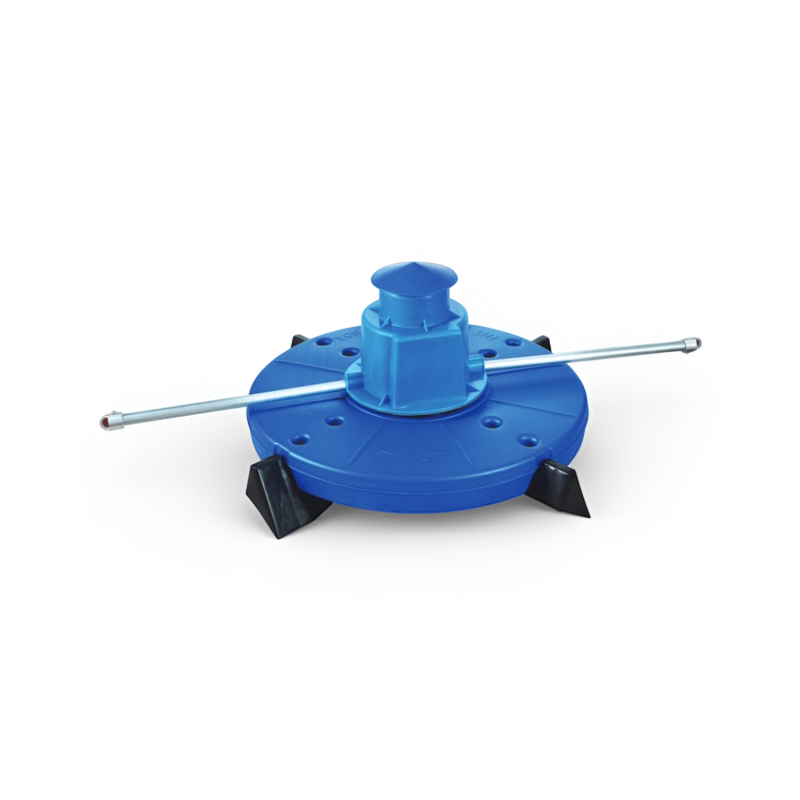
Wave Maker Surge Aerator
Recommended Operating Practices
Aeration requirements change throughout the day. Dissolved oxygen can decline at night because photosynthesis stops while fish, shrimp, plants, and microorganisms continue to consume oxygen. Oxygen demand may also rise after feeding, during hot weather, after heavy rainfall, or when organic matter decomposes rapidly.
Many farms use aerators during high-risk periods rather than operating them continuously. Other farms prefer continuous low-intensity circulation to maintain more stable water conditions. The most suitable strategy should be based on measured dissolved oxygen, animal behavior, water temperature, stocking density, and production objectives.
Operators should monitor dissolved oxygen at representative locations, including areas farthest from the aerator and, where practical, near the bottom. A reading close to the machine may not represent conditions across the whole pond. Regular measurements can help determine whether the aerator is correctly positioned and whether additional units are required.
When using more than one unit, the equipment should be arranged to create coordinated circulation rather than opposing wave patterns. Pond shape, prevailing wind, water inflow, and embankment location should be considered. A technical layout review is recommended for large farms or high-density aquaculture projects.
The 1.5 kW model may be selected for sites where voltage variation is a concern, but operators should still use an appropriate electrical stabilizing and protection strategy. Voltage should be checked during startup and under normal operating load. Repeated tripping, motor heating, or reduced wave strength should be investigated promptly.
Maintenance and Service Considerations
Routine maintenance helps preserve performance and extend service life. Before each inspection, disconnect the power supply and prevent accidental startup. Never enter the water or approach the operating assembly while the aerator is energized.
Inspect the external structure for corrosion, loosened fasteners, cracks, impact damage, and unusual wear. Check cables, connectors, cable supports, switches, and protective housings for signs of moisture or deterioration. Any damaged electrical component should be replaced or repaired by qualified personnel.
Water plants, ropes, plastic materials, fishing nets, and other floating debris should be kept away from the operating area. Such materials can restrict movement, increase motor load, or interfere with the wave-generation assembly. In ponds with heavy plant growth, regular clearing may be necessary.
Listen for changes in operating sound. Grinding, rattling, irregular vibration, or a sudden reduction in wave strength may indicate a mechanical problem, obstruction, bearing issue, imbalance, or electrical fault. Early inspection can prevent a minor problem from developing into extended downtime.
Maintenance intervals depend on operating hours, water quality, salinity, sediment levels, climate, and installation conditions. Farms with continuous operation should establish a written maintenance schedule. Records should include inspection dates, current readings, repairs, replacement parts, and observed water-quality conditions.
Manufacturing Strengths and Quality-Focused Production
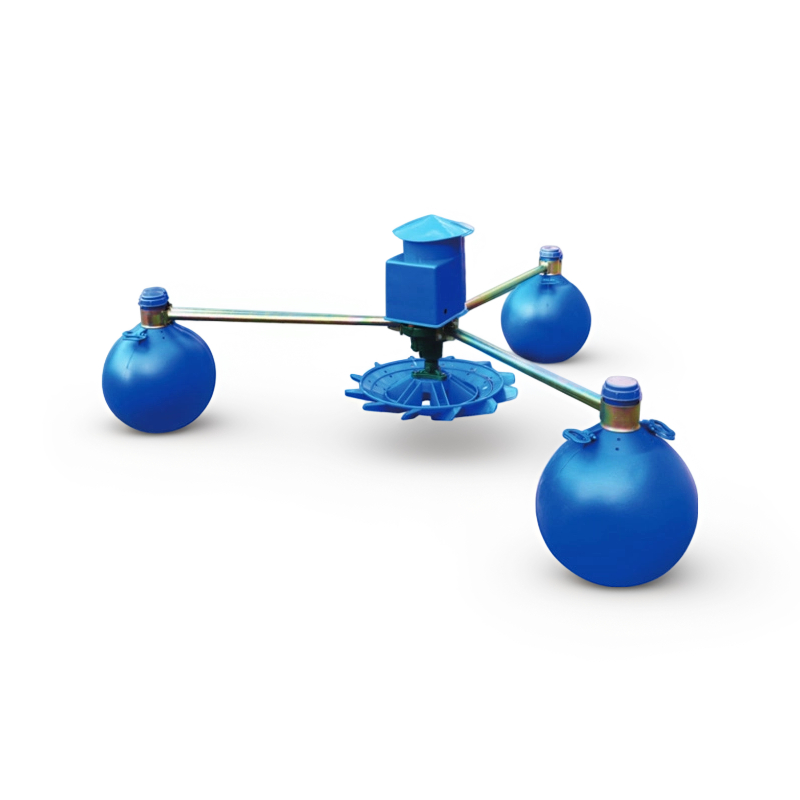
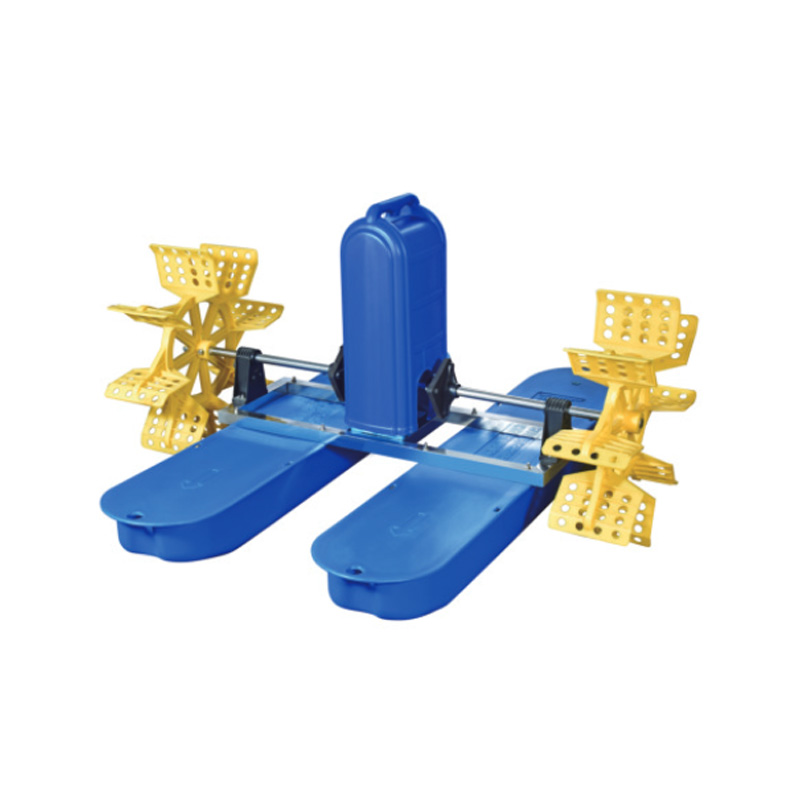
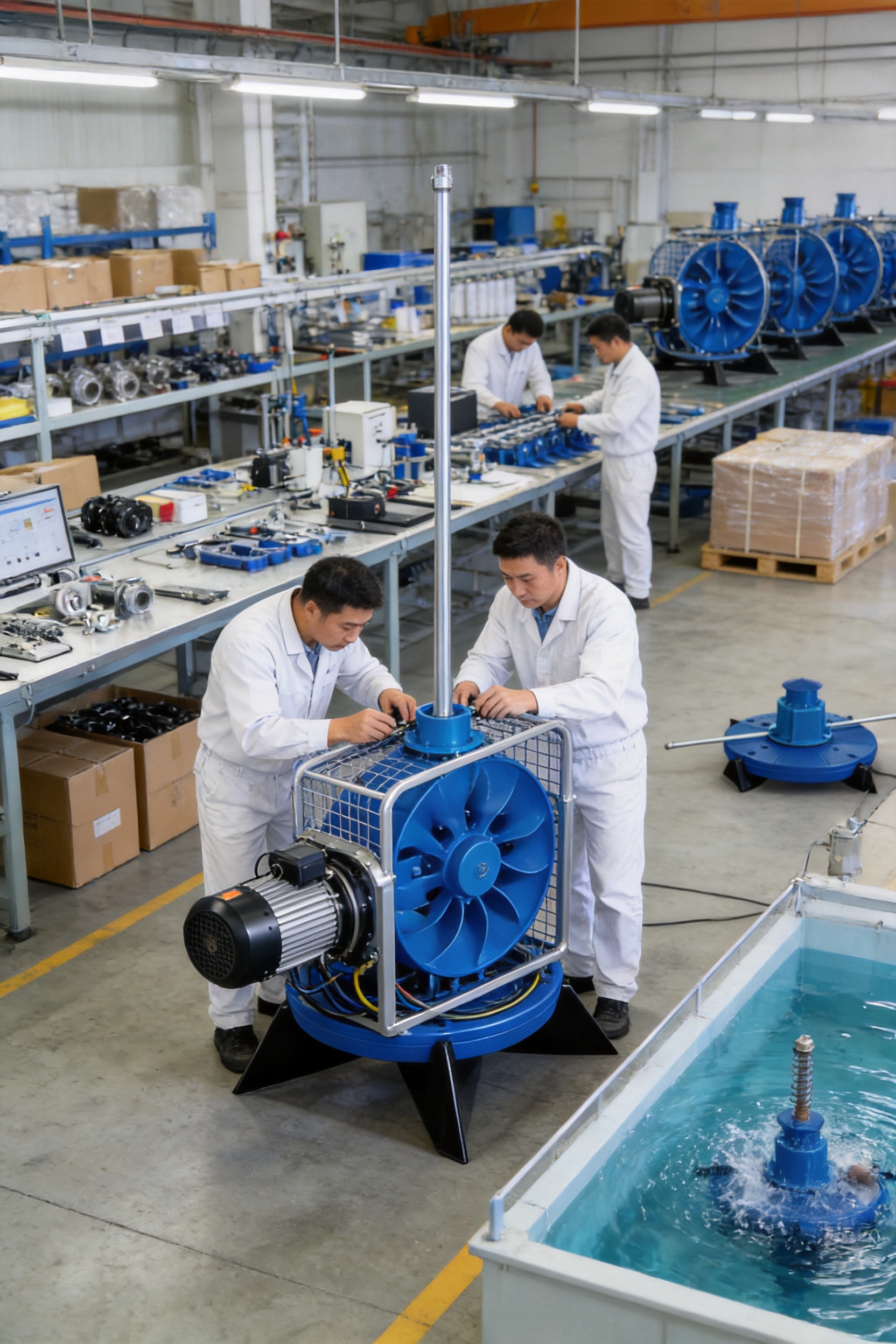
The product is manufactured by Zhejiang ZhenTai Mechanical and Electrical Co., Ltd., a Chinese manufacturer established in 2018 and located in Wenling, Zhejiang Province. The company specializes in the research, development, and production of more than 90 products across 10 series. Its product scope includes floating aerators, impeller aerators, water wheel aerators, water pumps, submersible pumps, and air blowers.
This broad product range gives the manufacturer experience across several related mechanical and electrical applications. Aerators and pumps share important production requirements, including motor integration, rotating assemblies, sealing, electrical safety, water resistance, structural strength, and long-duration operation. Experience across these product categories can support practical design improvements and coordinated equipment supply for complete water-management projects.
The company’s manufacturing strengths are also reflected in its focus on product development, quality, integrity, technological innovation, and technical support. For international buyers, these capabilities are relevant because aquaculture projects often require more than a standard product. Buyers may need different voltage systems, private labeling, packaging requirements, installation guidance, spare parts, or customized production.
A professional manufacturing process should begin with design and engineering review. Product dimensions, motor power, operating speed, water movement, structural loading, and electrical requirements must be considered together. Components should then be selected according to the intended environment, including exposure to water, humidity, sunlight, sediment, and farm chemicals.
Material preparation and component inspection are important stages in production. Metal parts should be checked for dimensional accuracy and surface quality. Rotating components should be balanced to reduce vibration. Electrical parts should match the rated voltage and power requirements. Sealing and protective components should be inspected to reduce the chance of water penetration during service.
Assembly quality directly affects operating stability. A wave aerator must maintain alignment between the motor, transmission or rotating components, and supporting structure. Incorrect alignment can create vibration, noise, energy loss, and premature wear. Controlled assembly procedures and final inspection can help ensure that each unit leaves the factory in a consistent condition.
Testing is another important part of an advanced manufacturing process. Electrical tests can verify insulation, current, voltage, grounding, and basic motor performance. Mechanical checks can examine vibration, noise, rotation, fastening, and structural stability. Where performance testing is available, the manufacturer can evaluate water movement, capacity, oxygen transfer, and energy consumption according to defined conditions.
Quality control should continue through packaging and shipment. Equipment intended for international delivery must be protected against impact, moisture, and improper handling. Product labels, electrical information, spare parts, manuals, and packing lists should be checked before dispatch. These steps help reduce installation errors and simplify receiving inspection at the buyer’s facility.
OEM and ODM Cooperation for Global Buyers
International distributors, aquaculture equipment wholesalers, project contractors, and farm operators may require customized cooperation. The manufacturer offers OEM and ODM services, which can support product branding, packaging, labeling, technical adaptation, and project-specific supply arrangements.
OEM cooperation is useful when a buyer wants equipment produced under its own brand or distributed through an established product line. ODM cooperation may be appropriate when the buyer needs changes to configuration, appearance, electrical specifications, accessories, or application design. The feasibility of any modification should be confirmed through technical review before production.
For export projects, buyers should provide complete information about destination voltage, frequency, phase, local certification, climate, water type, pond dimensions, stocking density, expected operating hours, and packaging requirements. Clear technical information at the quotation stage helps prevent mismatches between the selected model and the installation site.
The manufacturer’s product range can also support combined procurement. A farm may require aerators for oxygenation, submersible pumps for drainage, water pumps for circulation, and air blowers for specialized oxygenation systems. Sourcing related equipment from one experienced supplier can simplify communication, spare-parts planning, and technical coordination.
Why Choose a Wave Maker System for Commercial Farms?
Commercial farms need equipment that can deliver dependable results while controlling operating costs. The Wave Maker Surge Aerator addresses these needs through a combination of wave movement, oxygenation, circulation, and flexible power selection.
Its wave-based design is particularly attractive for operators who want to improve the movement of water across the pond rather than relying only on a small concentrated zone. This approach can help support a more uniform water environment, provided that the aerator is correctly sized and positioned.
The stated energy consumption is another important consideration. The approximate 0.8 to 0.9 kWh per hour figure for the Wave Maker Surge Aerator and approximately 1 kWh per hour for the 1.5 kW model provide useful planning references. Compared with the supplied 3 kWh per hour reference for a 3 kW impeller aerator, the potential energy difference may be significant over a long operating season.
The product also offers practical flexibility. Two power options are available, while the listed 1.5 kW configurations include 220 V and 380 V choices. This allows the aerator to be considered for farms with different electrical infrastructures. The recommended use of the 1.5 kW model in unstable-voltage areas further supports site-specific selection.
Finally, the product is supported by a manufacturer with a broad portfolio of aerators, pumps, and related equipment. This can be valuable for buyers who need a long-term equipment partner rather than a single isolated machine.
Project Planning and Selection Checklist
Before ordering, the buyer should calculate the pond’s surface area, average depth, total water volume, stocking density, species, feeding level, climate, and expected oxygen demand. The number and location of aerators should be determined from these conditions rather than from motor power alone.
Electrical planning should include voltage, frequency, phase, available current, cable distance, generator capacity, control-panel location, and protection devices. If voltage instability is common, the buyer should discuss the 1.5 kW recommendation with the supplier and consider voltage monitoring or stabilization equipment.
Water-quality planning should include dissolved oxygen measurement, temperature tracking, pH monitoring, ammonia observation, and turbidity control. Aeration can support water management, but it does not replace proper feeding, sludge removal, biosecurity, stocking control, or water exchange practices.
Installation planning should identify safe access routes, equipment platforms, protective barriers, maintenance areas, and emergency shutdown procedures. Farm staff should be trained to recognize abnormal vibration, motor overheating, electrical faults, and sudden changes in wave performance.
For larger commercial projects, buyers should request a complete technical package. This may include the final model number, voltage, power, dimensions, materials, wiring diagram, installation instructions, performance data, packing details, warranty terms, spare-parts list, and recommended maintenance schedule.
Environmental and Operational Benefits
Improved water circulation can contribute to a healthier aquaculture environment by reducing stagnant areas and supporting more consistent dissolved oxygen distribution. Better oxygen conditions may help aquatic animals use feed more efficiently and tolerate normal production stress more effectively. These benefits depend on complete farm management and cannot be guaranteed by aeration equipment alone.
Efficient equipment may also reduce the environmental impact associated with electricity or fuel consumption. If the aerator provides the required circulation with lower hourly energy use than a higher-power alternative, the farm may reduce operating costs and associated energy demand.
The wave action should nevertheless be managed responsibly. Excessive turbulence can disturb sediment, stress aquatic animals, or create unwanted shoreline erosion in poorly positioned installations. Operators should observe the pond after startup and adjust location or operating time if excessive disturbance occurs.
Noise and visual effects should be considered for farms located near homes, roads, public areas, or ecological zones. Proper placement, structural support, and routine maintenance can help reduce unnecessary noise and vibration.
Frequently Asked Questions
What is the Wave Maker Surge Aerator designed to do?
It is designed to generate wave-form water movement that promotes surface oxygenation and circulation between upper and lower water layers. The purpose is to improve dissolved oxygen distribution across an aquaculture pond or other managed water area.
What power options are available?
The product is available in 0.9 kW and 1.5 kW models. The 1.5 kW model is recommended in the supplied information for locations where voltage is unstable. The final choice should be based on pond conditions, electrical supply, and the required circulation level.
How much electricity does it consume?
The supplied information gives an approximate consumption of 0.8 to 0.9 kWh per hour for the Wave Maker Surge Aerator and approximately 1 kWh per hour for the 1.5 kW model. Actual consumption can vary according to voltage, water resistance, installation, operating conditions, and equipment condition.
How does it compare with a 3 kW impeller aerator?
The supplied reference comparison states that a 3 kW impeller aerator consumes approximately 3 kWh per hour, while the Wave Maker Surge Aerator uses approximately 0.8 to 1 kWh per hour. This indicates a potential energy-use advantage when the wave maker is correctly matched to the application. Performance should be compared using actual oxygen transfer and water-circulation requirements, not power consumption alone.
What is the effective working depth?
The stated effective working depth is up to 2 meters. Performance depends on pond shape, water quality, installation position, and the ability of the wave pattern to circulate water without obstruction.
Can the product be used in shrimp ponds?
Yes, it may be used in shrimp aquaculture where water circulation and oxygen distribution are required. Operators should introduce it carefully and monitor dissolved oxygen, turbidity, animal behavior, and bottom conditions.
Is the 1.5 kW model suitable for unstable voltage?
The product information recommends the 1.5 kW model for areas with unstable voltage. However, proper electrical protection remains necessary. Buyers should confirm the local voltage and consult qualified electrical personnel regarding overload, phase, grounding, surge, and voltage protection.
What voltage versions are listed?
The detailed performance table lists 220 V and 380 V versions for the 1.5 kW model. The buyer should specify the required voltage before ordering and verify the final nameplate information before installation.
Will the aerator make the pond temporarily cloudy?
Temporary turbidity may occur during initial operation because wave movement can lift settled sediment. The supplied information indicates that clarity may gradually improve with continued use. Operators should start with a controlled operating period and monitor the pond response.
Can it operate continuously?
The product is designed for long-term operation with stable energy consumption and efficient oxygen transfer performance. Whether continuous operation is appropriate depends on the farm’s oxygen demand, water quality, electricity supply, maintenance program, and operating strategy.
What safety measures are required?
The aerator should be installed with correct grounding, suitable circuit protection, secure cable routing, and a reliable electrical connection. People and animals must be kept away from the operating area, and power must be disconnected before inspection or maintenance.
Does the manufacturer provide customized services?
The manufacturer offers OEM and ODM services for global buyers. Customization may include branding, packaging, labeling, electrical configuration, and project-related requirements, subject to technical confirmation.
What should buyers request before placing an order?
Buyers should request the confirmed model, voltage, frequency, power, dimensions, performance data, installation requirements, packing information, warranty terms, spare-parts recommendations, and any applicable export or local compliance documents.
Conclusion
The Wave Maker Surge Aerator provides a practical approach to aquaculture pond oxygenation by combining wave generation, surface gas exchange, and water circulation. Its 0.9 kW and 1.5 kW power options allow buyers to select a configuration according to pond requirements, while the 1.5 kW model is recommended for sites where voltage instability is a concern.
The product’s main advantages include broad wave movement, an effective working depth of up to 2 meters, flexible 220 V and 380 V configurations for the listed 1.5 kW model, and comparatively low stated energy consumption against the supplied 3 kW impeller reference. Its listed oxygen transfer, power-efficiency, and capacity values provide useful starting points for technical comparison.
Successful results depend on correct sizing, professional installation, suitable electrical protection, regular maintenance, and continuous water-quality monitoring. The aerator should be integrated into a complete aquaculture management program that includes responsible feeding, stocking control, pond preparation, biosecurity, and dissolved oxygen measurement.
Supported by a manufacturer with experience in aerators, pumps, submersible pumps, and air blowers, the Wave Maker Surge Aerator is suitable for fish farms, shrimp farms, ecological ponds, water-storage areas, and international equipment projects. For buyers seeking efficient circulation and reliable oxygenation, it offers a versatile foundation for improving pond water management.
References
1. Product specification information for the Wave Maker Surge Aerator, including power options, energy consumption, working depth, oxygenation principle, and operating guidance.
2. Technical performance table for the ZT-1.5 configuration, including voltage, power, speed, oxygen transfer rate, power efficiency, capacity, and load values.
3. Manufacturer company information concerning aerators, water pumps, submersible pumps, air blowers, OEM/ODM services, and aquaculture equipment production.
4. General aquaculture engineering principles concerning dissolved oxygen management, water circulation, mechanical aeration, and pond operation.
5. General electrical safety principles for outdoor motor-driven equipment used in wet and agricultural environments.