 English
 Español
 Indonesia
Aquaculture farms depend on reliable oxygen management to maintain fish and shrimp health, support feeding activity, improve water circulation, and stabilize production throughout the culture cycle. In intensive ponds, oxygen demand can change rapidly because of stocking density, feeding schedules, algae activity, water temperature, weather conditions, and organic loading. A dependable aerator is therefore not simply an accessory. It is an essential production tool that must operate efficiently, resist corrosion, tolerate demanding outdoor conditions, and continue working during long periods of high oxygen demand.
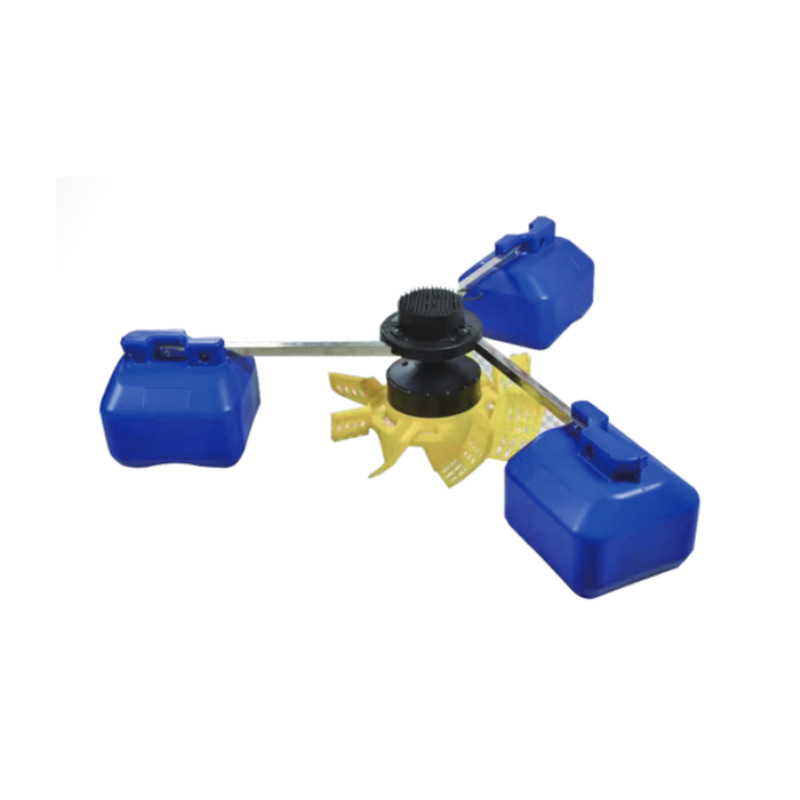
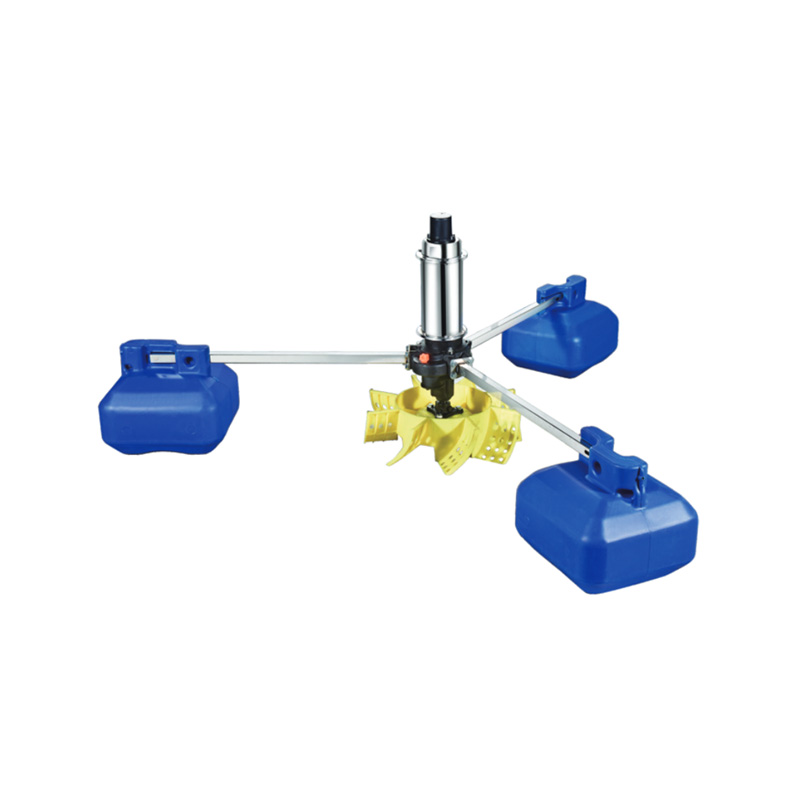
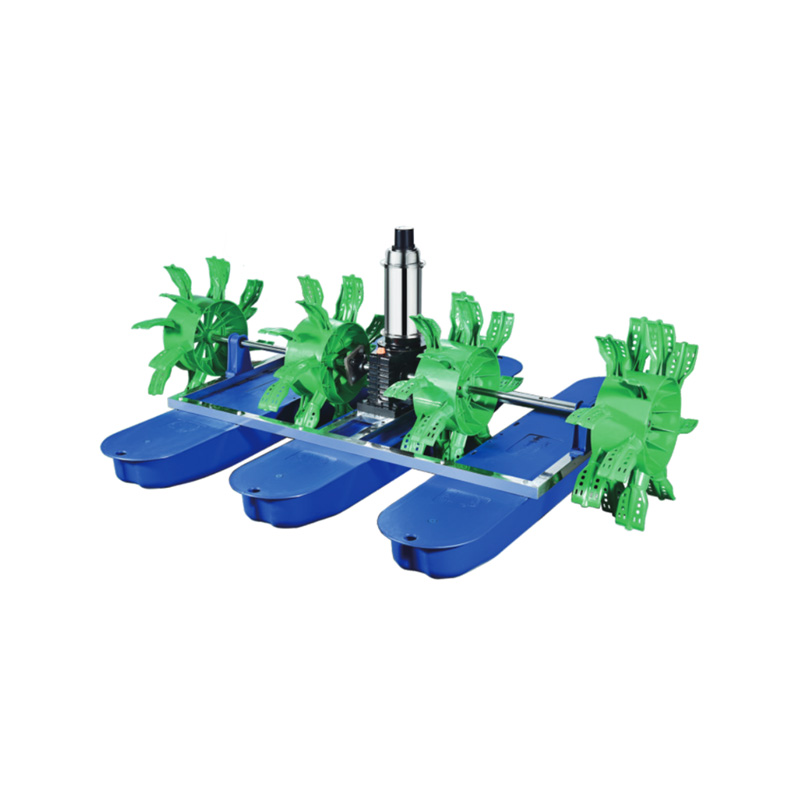
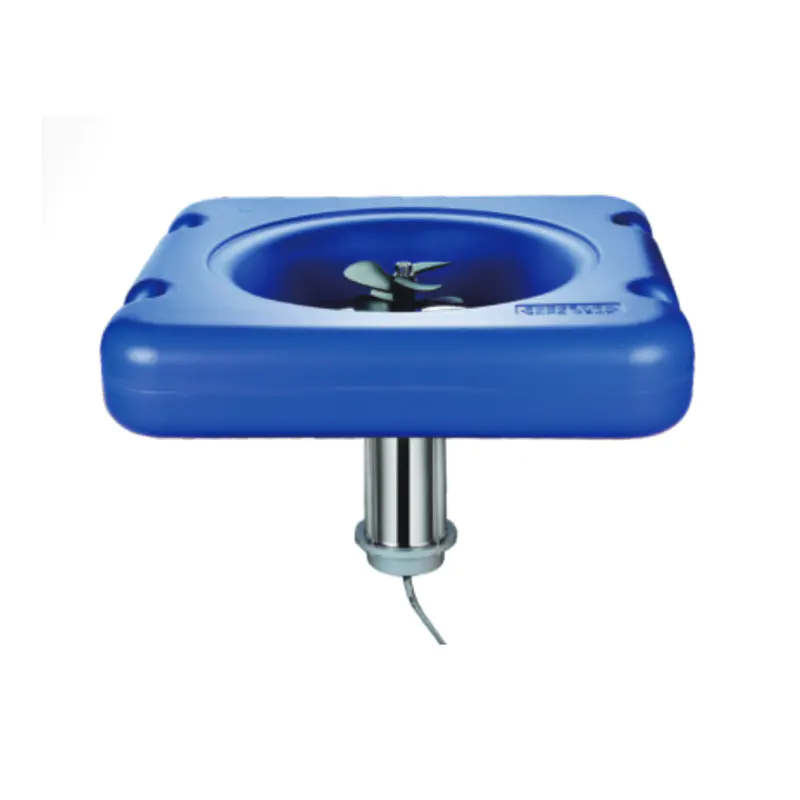
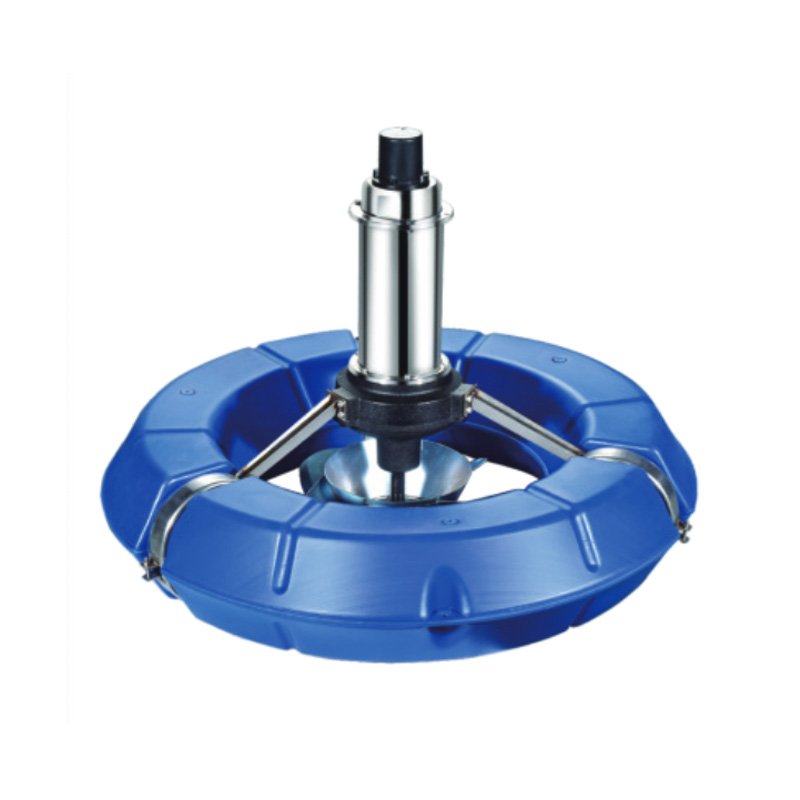
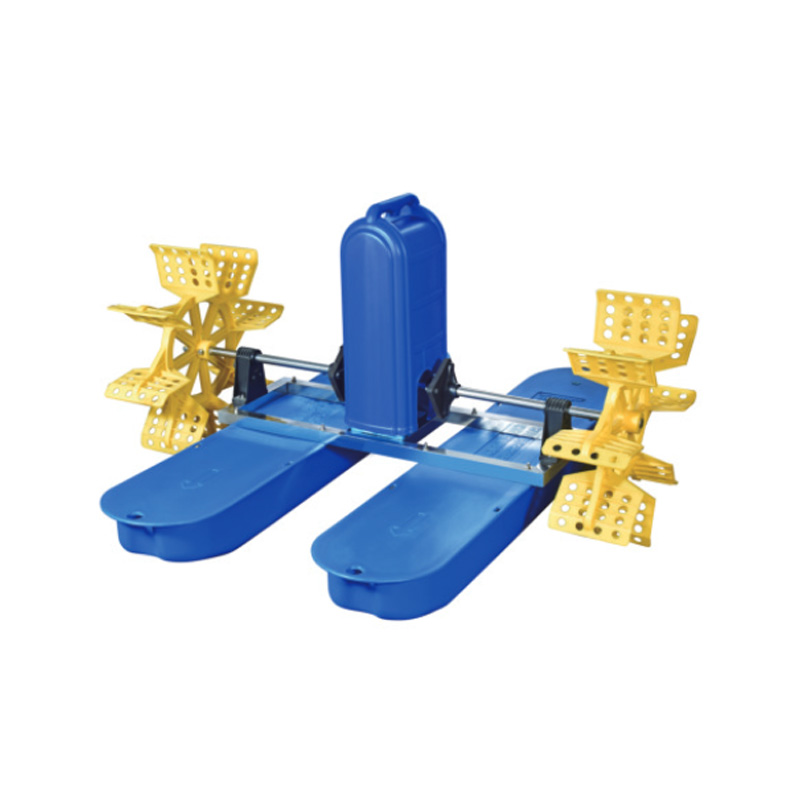
The stainless steel water-cooled paddle wheel aerator is designed for these requirements. It combines a water-cooled motor structure with stainless steel load-bearing components, a treated alloy-steel gear system, a mechanical seal, and high-strength floating pontoons. This configuration is particularly suitable for shrimp ponds, fish farms, coastal aquaculture facilities, and other applications where ordinary painted steel or conventional air-cooling systems may face greater operating challenges.
Manufactured by Zhejiang ZhenTai Mechanical and Electrical Co., Ltd., the unit belongs to a product range that includes aerators, air blowers, submersible pumps, and water pumps. The company operates from Wenling, Zhejiang Province, and provides equipment for aquaculture, irrigation, drainage, environmental protection, chemical applications, household water supply, ecological lakes, and flood-control projects. Its production experience across multiple equipment series supports a practical approach to design, component selection, quality control, and OEM or ODM cooperation.
This article examines the product’s construction, performance characteristics, operating advantages, manufacturing strengths, installation considerations, and application value. It also compares the water-cooled stainless steel design with more basic aerator configurations and explains how farms, wholesalers, distributors, and export buyers can evaluate the equipment for their own projects.
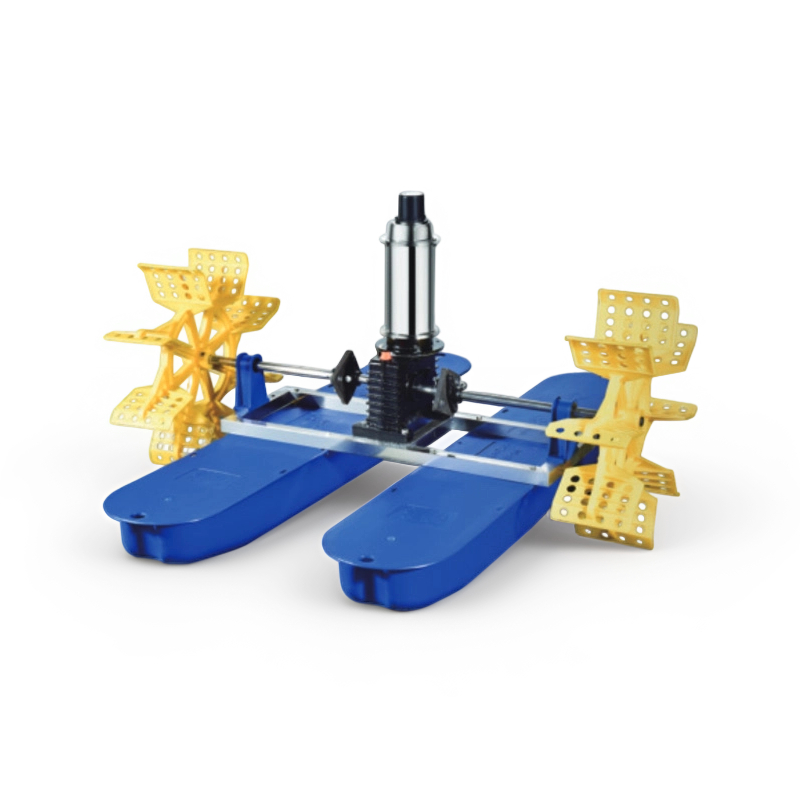
Stainless Steel Water-Cooled Paddle Wheel Aerator
1. The Role of Paddle Wheel Aeration in Aquaculture
A paddle wheel aerator transfers oxygen from the atmosphere into pond water while also creating horizontal and vertical water movement. Rotating paddles contact the water surface, break the surface into droplets and streams, and increase the air-water interface. At the same time, the rotating assembly moves water away from the machine, helping distribute oxygenated water through a larger area of the pond.
This combined oxygen-transfer and circulation action gives paddle wheel aerators an important role in intensive aquaculture. Fish and shrimp require dissolved oxygen for respiration, but oxygen is also consumed by microorganisms that decompose uneaten feed, animal waste, algae, and other organic matter. When the pond becomes heavily loaded, dissolved oxygen can decrease quickly, especially at night or before sunrise.
Aeration can support several important pond-management objectives:
First, it helps maintain a more suitable dissolved oxygen level for cultured species. Stable oxygen availability can reduce stress and support feeding, growth, and survival.
Second, it assists water circulation. Better circulation can reduce stagnant zones and distribute oxygenated water more evenly throughout the culture area.
Third, it supports the biological decomposition of organic material. Aerobic microorganisms require oxygen, and sufficient oxygen availability can contribute to more effective natural treatment processes within the pond.
Fourth, it can help operators respond to high-risk conditions. Hot weather, overcast periods, excessive stocking, heavy feeding, algal crashes, and sudden changes in water quality can all increase the need for mechanical aeration.
The performance of an aerator depends on much more than motor power alone. The paddle design, gear transmission, shaft alignment, sealing arrangement, frame rigidity, float stability, corrosion resistance, and heat-management method all influence long-term operating results. The stainless steel water-cooled model is intended to address these factors as an integrated system rather than as isolated components.
2. Product Construction and Main Technical Features
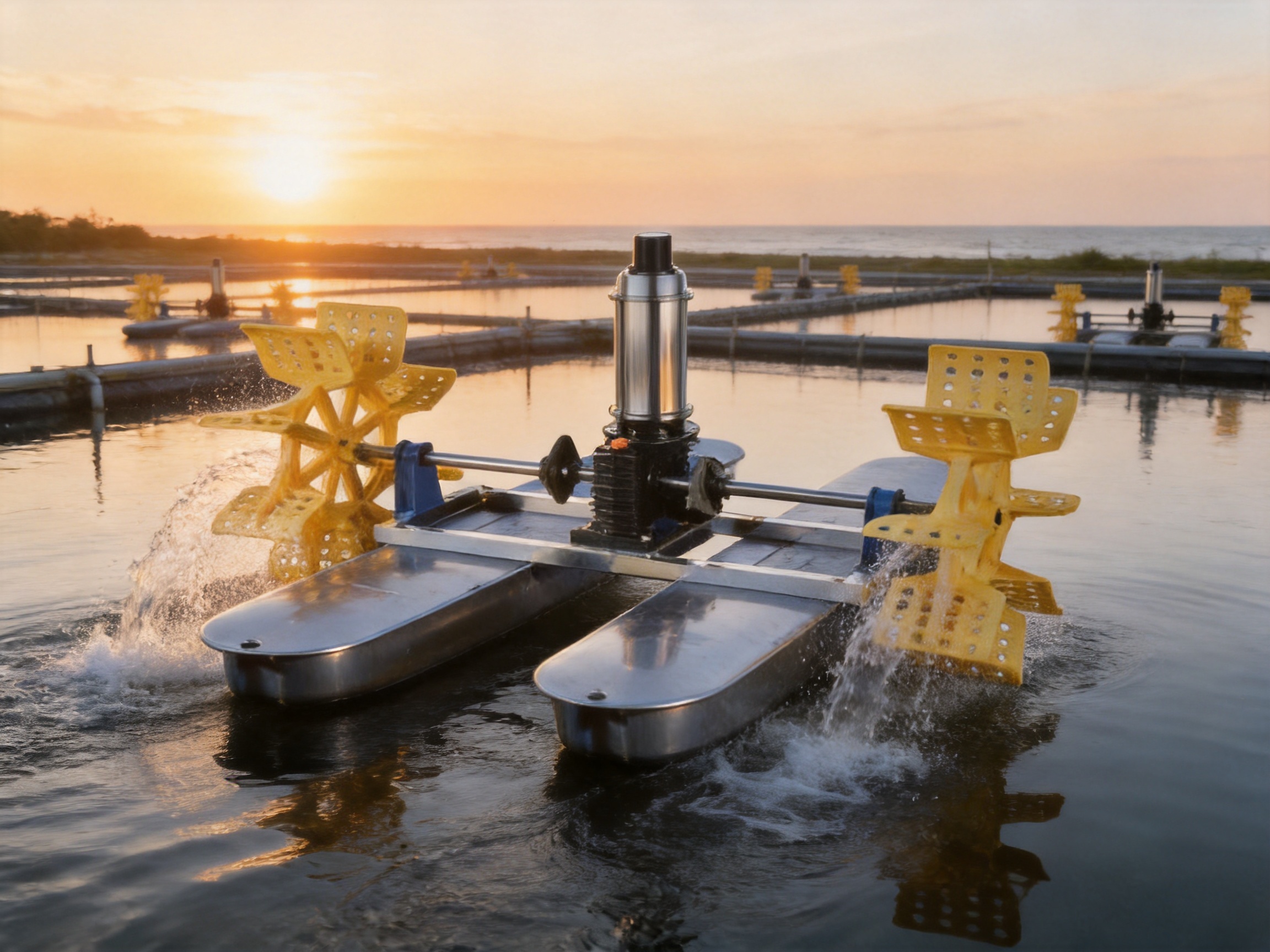
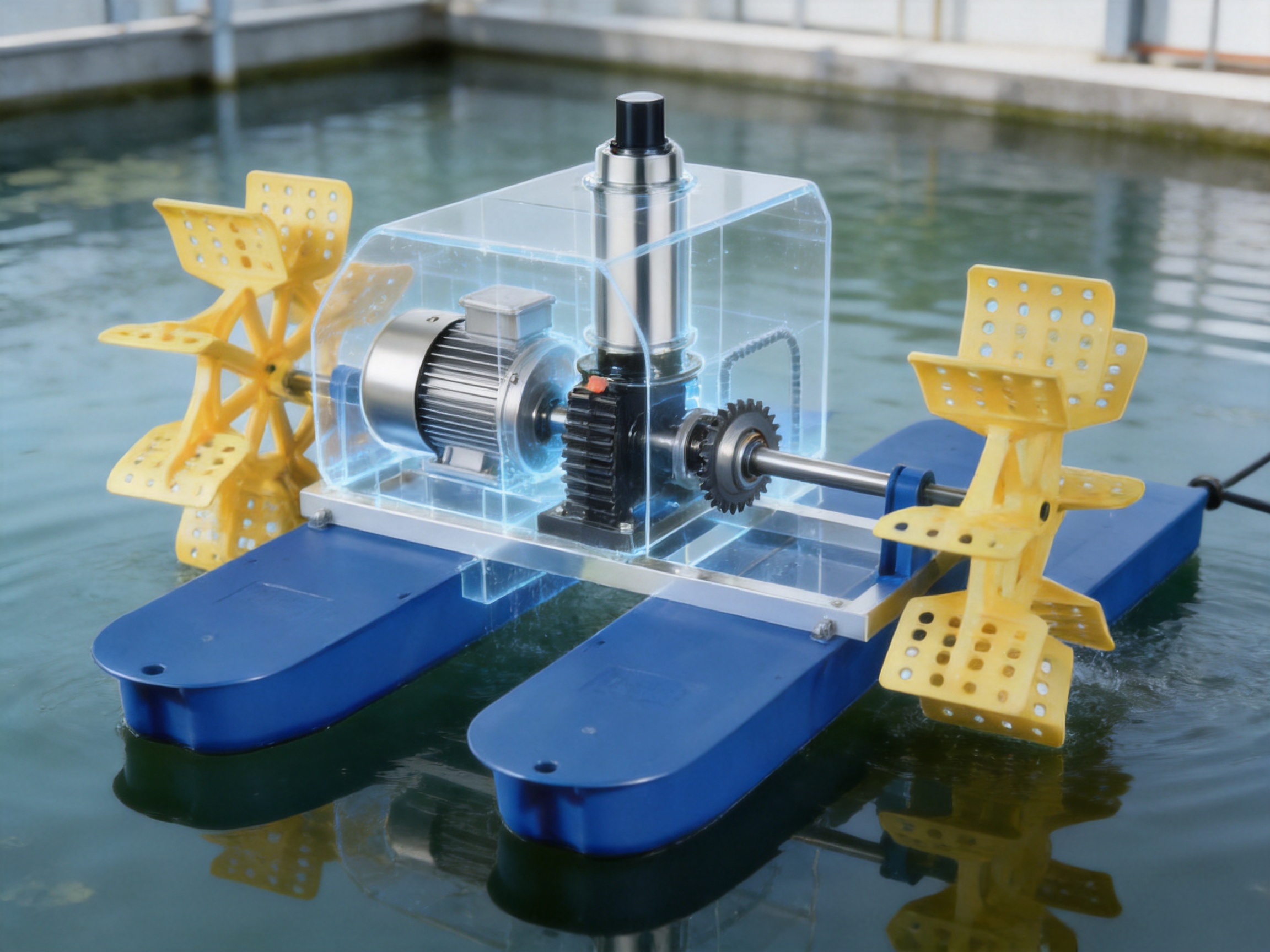
The product uses a fully stainless steel water-cooled motor structure upgraded from a standard aerator design. Its primary structural elements are selected to support operation in humid, corrosive, and high-temperature environments.
Water-Cooled Motor Structure
The water-cooled motor is one of the product’s most important distinguishing features. During continuous operation, an electric motor generates heat through electrical resistance, magnetic losses, bearing friction, and mechanical load. If heat accumulates faster than it can be dissipated, motor temperature rises. Excessive temperature may accelerate insulation aging, affect lubrication, reduce efficiency, and shorten service life.
In a water-cooled configuration, the surrounding water assists the heat-dissipation process. The cooling effect is especially valuable when the aerator operates for extended periods in hot climates. Shrimp farms and fish farms in tropical or subtropical regions may face high air temperatures, warm pond water, direct solar radiation, and long daily operating schedules. Under these conditions, additional heat management can help the motor maintain more stable working temperatures.
The water-cooled design is also relevant to coastal and high-salinity aquaculture. Salt-laden air and splashing water create a more aggressive environment for exposed equipment. A robust stainless steel motor structure helps improve resistance to corrosion compared with less protected materials, although routine cleaning, inspection, and correct electrical protection remain necessary.
Stainless Steel Drive Shaft
The drive shaft transfers rotational power from the motor and gear system to the paddle wheel. Because the shaft is exposed to moisture and may be subject to repeated torque changes, its material and alignment are important to reliable operation.
Stainless steel provides useful resistance to rust and surface deterioration in wet operating environments. It also supports a cleaner and more durable assembly for aquaculture applications. A properly aligned stainless steel shaft can help reduce vibration, uneven loading, and unnecessary stress on bearings and seals.
Stainless Steel Frame
The frame supports the motor, gearbox, shaft, and paddle wheel assembly. It must remain rigid while the unit is floating and operating on a moving water surface. The stainless steel frame is designed to provide structural stability while resisting corrosion from water, humidity, splashing, and outdoor exposure.
For farms operating in coastal areas, frame corrosion can be a serious maintenance concern. Rusted frames may lose strength, develop sharp edges, or require frequent repainting. Stainless steel does not eliminate the need for maintenance, but it can reduce the risk of rapid surface deterioration and provide a longer-lasting foundation for the working components.
High-Strength Floating Pontoons
The floating pontoons support the aerator at the pond surface. They must provide sufficient buoyancy and stability while tolerating movement caused by wind, waves, water-level changes, and the reaction force generated by the paddle wheel.
High-strength pontoons help keep the machine properly positioned and reduce the risk of excessive tilting. Stable flotation is important because the paddle wheel must maintain a suitable immersion depth. If the machine sits too low, the motor and frame may experience unnecessary loading. If it sits too high, the paddles may not contact enough water to achieve effective oxygen transfer and circulation.
Gear Transmission and Treated Alloy Steel
The gear system uses chromium-manganese-titanium alloy steel. This type of alloy selection is intended to provide a balance of strength, toughness, and wear resistance for repeated mechanical transmission.
The gears receive carbonitriding treatment, also described as a combined carburizing and nitriding process. This type of surface treatment can increase surface hardness and improve resistance to wear while retaining a tougher internal structure. For an aerator that may operate for long periods, treated gears can help maintain transmission performance and reduce premature tooth wear.
The gear system is a key area where the product can distinguish itself from lower-cost equipment using less durable transmission materials or untreated components. Gear quality affects noise, vibration, efficiency, service intervals, and the ability of the aerator to withstand continuous load.
Mechanical Sealing System
The aerator uses a mechanical seal to help protect the transmission and reduce the possibility of oil leakage. Sealing is especially important in water-based equipment because the rotating shaft passes through areas where water and lubricant must be kept separate.
A properly selected and correctly installed mechanical seal can help prevent water intrusion into the gear housing while retaining lubricant inside the transmission assembly. It also contributes to environmental protection by reducing the chance of oil escaping into the pond. Seal condition should still be checked regularly because wear, misalignment, dry running, abrasive particles, and improper installation can affect sealing performance.
3. Advantages Over Basic Aerator Configurations
Many conventional paddle wheel aerators are designed for general pond use and may use painted carbon-steel frames, standard air-cooled motors, ordinary shafts, and untreated or lightly treated gear components. Such configurations can be suitable for moderate environments, but they may be less appropriate for high-temperature, high-salinity, or continuous-duty applications.
Improved Heat Management
The water-cooled motor structure is a major advantage over a basic air-cooled arrangement when the machine must operate in hot conditions. Air cooling can become less effective when ambient temperatures are high, airflow is limited, or the motor is surrounded by heat from the pond surface and direct sunlight.
Water is generally more effective than air at absorbing and carrying away heat. By using the operating environment as part of the cooling process, the aerator can support more stable motor performance during extended operation. The actual cooling result depends on water temperature, installation conditions, motor load, and correct operation, but the design is specifically suited to conditions where thermal stress is a concern.
Greater Corrosion Resistance
Stainless steel construction gives the unit an advantage in wet and saline environments. Corrosion can affect frames, shafts, fasteners, housings, and protective coatings. Once corrosion begins, it may spread under coatings, weaken structural parts, or increase maintenance requirements.
The stainless steel frame and shaft provide a more durable material platform for aquaculture use. This is particularly valuable for coastal shrimp farms, brackish-water operations, and facilities where equipment is frequently exposed to splashing and humidity.
Better Suitability for Long-Term Continuous Use
Aerators in intensive farms may be required to operate for many hours per day and sometimes around the clock during critical periods. The product’s combination of water-assisted motor cooling, treated gears, mechanical sealing, stainless steel components, and stable pontoons is intended to support this type of duty.
Long-term reliability is not produced by one component alone. It results from matching the motor, gear system, shaft, frame, seal, and flotation system to the operating load. The product’s integrated construction provides a stronger basis for continuous operation than an aerator assembled with basic components selected primarily for initial price.
Reduced Maintenance Exposure
Corrosion-resistant materials and wear-resistant gears can reduce the frequency of certain maintenance tasks. A stainless steel frame does not require the same repainting schedule as a painted mild-steel frame, and a hardened gear surface can resist wear more effectively than untreated steel.
However, reduced maintenance does not mean maintenance-free operation. Operators should still inspect electrical connections, cables, seals, bolts, bearings, pontoon condition, gear oil, shaft alignment, and paddle attachment points. Regular preventive maintenance remains one of the most effective ways to protect equipment and avoid unplanned downtime.
More Appropriate for Challenging Locations
The machine is designed for high-temperature, high-salinity, and coastal aquaculture conditions. These environments place greater demands on equipment than indoor or freshwater applications. The stainless steel water-cooled structure directly addresses two of the most common challenges: heat accumulation and corrosion.
For buyers comparing products from different suppliers, the relevant question should not be limited to rated motor power. It is also important to examine the materials used in the frame and shaft, the gear treatment, the sealing method, the flotation system, and the manufacturer’s ability to support product customization and spare parts.
4. Performance Specifications
The available product configurations include 0.75 kW, 1.1 kW, and 1.5 kW models. The 0.75 kW and 1.1 kW versions listed in the supplied specifications use 380 V. The 1.5 kW version is available in both 220 V and 380 V configurations.
The following table summarizes the supplied technical data. Buyers should confirm final electrical standards, frequency, phase requirements, packaging details, and performance conditions before placing an order because actual specifications may vary according to the selected configuration and destination market.
| Model | Voltage | Power | Oxygen Transfer Rate | Power Efficiency | No-Load Noise | Product Weight | Quantity per 20-Foot Container |
|---|---|---|---|---|---|---|---|
| ZT-0.75 | 380 V | 0.75 kW | At least 1.1 kg O₂/h | At least 1.25 kg O₂/kWh | Not more than 78 dB(A) | 80 kg | 85 units |
| ZT-1.1 | 380 V | 1.1 kW | At least 1.25 kg O₂/h | At least 1.25 kg O₂/kWh | Not more than 80 dB(A) | 80 kg | 85 units |
| ZT-1.5 | 220 V | 1.5 kW | At least 1.9 kg O₂/h | At least 1.25 kg O₂/kWh | Not more than 80 dB(A) | 100 kg | 70 units |
| ZT-1.5 | 380 V | 1.5 kW | At least 1.9 kg O₂/h | At least 1.25 kg O₂/kWh | Not more than 80 dB(A) | 100 kg | 70 units |
Oxygen transfer rate is an important comparison value because it indicates the amount of oxygen transferred under the applicable test conditions. Power efficiency expresses oxygen transfer relative to electricity consumption. These figures should be interpreted together with pond depth, water quality, salinity, temperature, paddle immersion, installation layout, and the number of aerators operating simultaneously.
The listed no-load noise values provide an indication of sound pressure under specified no-load conditions. Actual operating noise can differ when the paddle wheel is loaded by water, when multiple machines operate together, or when the unit is installed near buildings and reflective surfaces.
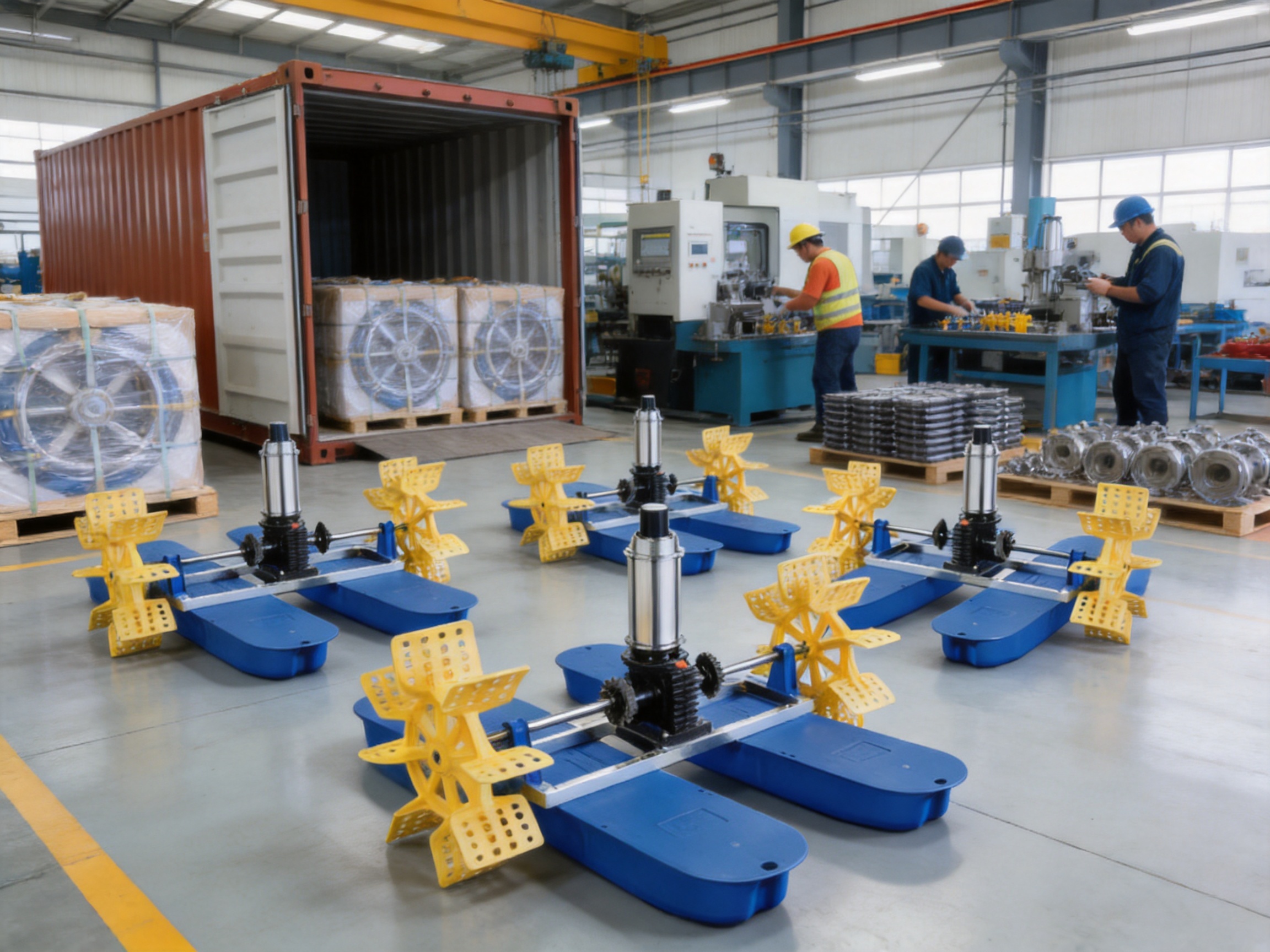
Container-loading information is useful for wholesalers, distributors, project contractors, and export buyers. The listed quantities can help with initial logistics planning, but final loading capacity should be confirmed according to packaging dimensions, export cartons, accessories, spare parts, and the selected voltage configuration.
5. Manufacturing Strengths and Quality-Oriented Production
Zhejiang ZhenTai Mechanical and Electrical Co., Ltd. was established in 2018 and is located in Wenling, Zhejiang Province, China. The company specializes in the research, development, and production of more than 90 products across 10 series. Its product range includes floating aerators, impeller aerators, water wheel aerators, water pumps, submersible pumps, and air blowers.
This product breadth is valuable because the manufacturing requirements of aerators and pumps overlap in several areas. Both require reliable electric motors, accurate rotating assemblies, effective seals, durable housings, suitable bearings, and consistent electrical protection. Experience across multiple water-related equipment categories can support stronger component knowledge and a more complete understanding of customer applications.
Material Selection as a Manufacturing Priority
The water-cooled paddle wheel aerator demonstrates a material-focused approach to product development. Stainless steel is used for the frame and drive shaft, chromium-manganese-titanium alloy steel is used for the gears, and carbonitriding is applied to improve gear surface performance.
These choices indicate that the product is not designed only around the lowest initial manufacturing cost. Instead, the design considers the effects of corrosion, repeated mechanical loading, heat, moisture, and continuous operation. Material selection is especially important for export products because equipment may be installed in different climates and water conditions.
Process Control for Mechanical Components
Gear manufacturing requires attention to tooth geometry, dimensional accuracy, surface finish, heat treatment, lubrication, and assembly alignment. Carbonitriding must be controlled carefully so that the surface achieves the required hardness without creating excessive brittleness or distortion. After treatment, gears should be inspected for fit, rotation, and transmission smoothness.
Similarly, stainless steel shafts and frames require accurate fabrication. Welding, drilling, machining, and finishing must be coordinated to maintain alignment and structural strength. A frame that is not square or a shaft that is not properly aligned can cause vibration, uneven gear loading, seal wear, and reduced operating efficiency.
Integrated Product Development
An aerator operates as a complete system. The motor must match the gear ratio. The gear output must match the shaft and paddle assembly. The pontoons must support the total weight and operating reaction force. The seal must correspond to the shaft and gear housing. The frame must maintain the correct relationship among all these parts.
An integrated development process helps reduce the risk that individual components perform well in isolation but poorly when assembled. The company’s experience in several product series supports the development of equipment that considers motor performance, water movement, mechanical transmission, and installation requirements together.
OEM and ODM Capability
Global buyers may require different voltage standards, branding arrangements, packaging formats, documentation, spare-parts packages, or minor structural modifications. The company provides OEM and ODM services, allowing buyers to discuss application-specific requirements and market needs.
OEM cooperation may include private labeling, packaging customization, nameplate arrangements, or documentation prepared for a distributor’s sales channel. ODM cooperation may involve changes to product configuration, accessories, electrical specifications, or application-focused design features. Any customization should be confirmed through technical drawings, samples, test procedures, and written specifications before mass production.
Application Knowledge Across Industries
The company’s equipment is used in aquaculture, fish pond aeration, farmland irrigation, building foundation drainage, environmental protection, chemical industries, household water supply, ecological landscape lakes, and flood-control drainage. This broad application experience can help the manufacturer understand the different priorities of agricultural users, industrial operators, contractors, wholesalers, and engineering companies.
A shrimp farm may prioritize corrosion resistance and continuous operation. An irrigation contractor may focus on flow, head, power supply, and transport. A drainage project may emphasize solids handling and reliability under intermittent flooding. A distributor may require standardized packaging and spare parts. A manufacturer serving many application categories can build a broader technical and commercial support capability.
6. Applications in Shrimp and Fish Farming
Shrimp Ponds
Shrimp farming often requires intensive control of dissolved oxygen, water movement, organic loading, and pond-bottom conditions. The paddle wheel aerator is suitable for shrimp ponds because it combines surface oxygen transfer with directional circulation.
In high-density shrimp production, aerators are frequently positioned to create a circulation pattern that moves suspended solids and organic matter toward a designated collection area. The exact arrangement depends on pond geometry, stocking density, water depth, aerator capacity, and farm management practices. Operators should design the layout carefully rather than treating each aerator as an isolated machine.
Coastal shrimp farms may benefit particularly from stainless steel construction and water-assisted motor cooling. Saline air, salt spray, high temperatures, and long operating hours can accelerate deterioration in conventional equipment. The product’s construction is intended to provide better resistance under these conditions, while routine freshwater rinsing and inspection remain recommended where appropriate.
Fish Ponds
Fish ponds can also benefit from the aerator’s oxygen-transfer and circulation capabilities. Applications may include carp, tilapia, catfish, freshwater fish, brackish-water species, and other cultured species, subject to farm-specific requirements.
The suitable number and position of aerators depend on fish biomass, feeding intensity, water temperature, pond shape, depth, natural oxygen production, and the desired circulation pattern. A technical assessment should be completed before installation to ensure that the selected motor size and quantity provide adequate coverage.
Nursery and Grow-Out Operations
Nursery systems and grow-out ponds have different oxygen demands. Smaller ponds may require fewer machines but can still experience rapid oxygen depletion because of high stocking density or heavy feeding. Larger grow-out ponds may need multiple aerators distributed to avoid dead zones.
The available 0.75 kW, 1.1 kW, and 1.5 kW configurations give farms a choice of power levels. A smaller model may be suitable for a lower-load pond or supplemental aeration zone, while a 1.5 kW model may be selected for greater oxygen demand. The final decision should be based on measured or estimated oxygen requirements rather than motor rating alone.
7. Installation and Operating Considerations
The aerator should be installed on the pond surface with all components properly secured before operation. Floating equipment must be positioned so that it remains stable and the paddle wheel maintains a suitable immersion depth.
Site Preparation
Before installation, inspect the pond edge, access route, electrical supply, anchoring points, and water depth. The installation area should provide enough space for safe assembly and maintenance. Cables should be routed to minimize contact with water, sharp edges, moving parts, and vehicle traffic.
The pond should be checked for floating debris, ropes, nets, branches, and other objects that could enter the paddle wheel. Debris can damage paddles, overload the motor, bend the shaft, or create a safety hazard.
Positioning and Anchoring
The aerator should be positioned according to the farm’s intended circulation pattern. Anchoring should prevent excessive movement while allowing the floating unit to respond safely to normal changes in water level. Improper anchoring can cause the machine to rotate, drift toward the pond bank, or operate at an unfavorable angle.
The floating pontoons should be checked to ensure they are correctly attached and free from damage. The frame should remain level enough for the paddle wheel to operate evenly. Bolts, brackets, and fasteners should be tightened according to the manufacturer’s instructions.
Electrical Safety
Electrical installation should be performed by qualified personnel. The power supply must match the selected motor voltage and local electrical standards. Suitable circuit protection, grounding, overload protection, isolation, and weather-resistant connections should be provided.
Because the equipment operates near water, electrical safety is especially important. Damaged cables, loose terminals, poor grounding, and inadequate protection can create a serious risk to workers, animals, and equipment. Power should be disconnected before inspection, cleaning, adjustment, or maintenance.
Initial Test Run
Before the first full operation, inspect the gear housing, mechanical seal, shaft, paddle wheel, frame, pontoons, fasteners, and electrical connections. Conduct a short test run while observing vibration, noise, rotation direction, flotation stability, water movement, and possible leakage.
If the machine vibrates excessively, produces abnormal noise, moves unexpectedly, or shows signs of oil leakage, stop operation and investigate the cause. Continuing to operate a machine with misalignment or mechanical damage can increase repair costs and reduce service life.
Continuous Operation
During operation, monitor water movement, motor temperature, sound, vibration, electrical current, and pond conditions. The water-cooled system assists heat dissipation, but operators should not assume that overheating is impossible. Excessive load, blocked paddles, poor voltage, damaged bearings, inadequate water contact, or mechanical friction can still cause abnormal temperature rise.
Operating schedules should be coordinated with dissolved oxygen monitoring and farm-management practices. Aeration is often most critical at night, before sunrise, during hot weather, after heavy feeding, during algal crashes, and when stocking density is high. Automatic controls, timers, oxygen sensors, and farm-management software may be used where appropriate.
8. Maintenance Program for Long-Term Reliability
A preventive maintenance program protects the investment and supports stable pond operation. Maintenance intervals should be adjusted according to operating hours, water quality, salinity, temperature, debris levels, and manufacturer recommendations.
Daily or Routine Checks
Operators should observe whether the paddle wheel rotates smoothly and whether water is being moved evenly. They should listen for abnormal noise, inspect for excessive vibration, and check whether the machine remains level on the pontoons.
Visible oil leakage, damaged cables, loose fasteners, broken paddles, or unusual motor behavior should be addressed promptly. Early detection can prevent a minor issue from becoming a major failure.
Periodic Mechanical Inspection
The gear housing should be checked for lubricant condition and possible leakage. The mechanical seal area should be inspected for signs of wear or water intrusion. The shaft should be checked for bending, corrosion, or abnormal movement.
Gear teeth, bearings, couplings, paddle fasteners, and frame welds should be inspected at planned intervals. If the aerator has operated in highly saline water, salt deposits should be removed carefully from exposed surfaces and fittings.
Cleaning
Algae, shells, plant material, plastic, and other debris can collect around the paddle wheel or frame. Cleaning helps maintain water movement and prevents additional load on the motor and gear system.
Power must be isolated before cleaning. Operators should use methods compatible with stainless steel and other equipment materials. Aggressive chemicals, abrasive tools, or procedures that damage seals and protective surfaces should be avoided unless approved by the manufacturer.
Seasonal and Long-Term Storage
If the aerator will not be used for an extended period, it should be cleaned, dried where appropriate, inspected, and stored according to the manufacturer’s instructions. Electrical components should be protected from moisture, and the unit should be supported safely if removed from the pond.
Before returning the aerator to service, inspect the seal, lubricant, cables, fasteners, shaft, pontoons, and paddle assembly. A controlled test run should be completed before normal operation resumes.
9. Selecting the Correct Model for a Farm or Project
Model selection should begin with the actual operating requirement. Important questions include the pond area, water depth, species, biomass, stocking density, feeding level, local temperature, salinity, available voltage, daily operating hours, and desired circulation pattern.
The 0.75 kW model provides a lower power option for applications with moderate oxygen demand or for use as part of a distributed aeration system. The 1.1 kW model offers a higher rated power level while maintaining the listed efficiency target. The 1.5 kW model provides the highest listed oxygen transfer rate and is available in both 220 V and 380 V versions.
Buyers should not compare models solely by power. Oxygen transfer rate, power efficiency, machine weight, electrical compatibility, installation method, maintenance requirements, and expected operating environment should all be considered.
For export projects, it is also important to confirm the destination country’s voltage and frequency, plug or terminal requirements, motor protection expectations, labeling rules, packaging requirements, customs documents, and spare-parts availability. A supplier capable of OEM and ODM cooperation can help adapt the product presentation and selected configuration to the buyer’s market.
10. Value for Wholesalers, Distributors, and Export Buyers
For wholesalers and distributors, the product offers several commercially useful characteristics. Its stainless steel construction gives it a clear application story for coastal and high-salinity markets. The water-cooled motor provides a meaningful technical difference from ordinary aerators. The available power range supports several pond sizes and operating conditions.
The manufacturer’s broader product portfolio can also help distributors develop a more complete aquaculture and water-management offering. In addition to paddle wheel aerators, the company supplies floating aerators, impeller aerators, water wheel aerators, submersible pumps, water pumps, and air blowers. A broader range can simplify sourcing and allow distributors to serve farms with multiple equipment requirements.
Container-loading data supports initial shipping calculations. The listed capacity is 85 units for the 0.75 kW and 1.1 kW models and 70 units for the 1.5 kW model, subject to final packaging and loading confirmation. Buyers should request a final packing list, carton dimensions, gross and net weights, spare-parts recommendations, and shipping documents before shipment.
Professional technical support is also important. A product may be mechanically reliable, but installation errors, unsuitable pond layouts, incorrect electrical connections, and inadequate maintenance can reduce performance. Technical communication before and after delivery helps buyers achieve better results and protects the long-term relationship between the manufacturer and its distribution partners.
11. Why Manufacturing Experience Matters
Aquaculture equipment operates in a difficult combination of water, electricity, mechanical loading, biological material, and outdoor exposure. Manufacturing experience matters because the final performance depends on how these factors are managed together.
A company that produces only a basic motorized device may not have the same understanding of pond circulation, sealing, corrosion, flotation, and field maintenance as a manufacturer with a broader water-equipment portfolio. Zhejiang ZhenTai Mechanical and Electrical Co., Ltd. focuses on several related product categories and has developed more than 90 products across 10 series.
The company’s stated strengths include continuous technological innovation, reliable products, customized OEM and ODM services, and professional technical support. These strengths are relevant to international buyers who need more than a standard catalog product. They may need help selecting a motor voltage, adapting packaging, confirming spare parts, developing a private-label product, or arranging technical documents for a specific market.
Manufacturing strength should always be evaluated through product samples, specifications, inspection records, communication quality, production capacity, warranty terms, and customer references where available. The stainless steel water-cooled paddle wheel aerator provides a technically differentiated product platform, while the manufacturer’s broader capabilities support commercial customization and project cooperation.
12. Q&A
Q1: What is the main advantage of a water-cooled paddle wheel aerator?
The main advantage is improved heat management during extended operation. Water assists in dissipating motor heat, which can be valuable in hot climates, warm ponds, and continuous-duty aquaculture applications. The product also combines water cooling with stainless steel construction, treated gears, mechanical sealing, and high-strength pontoons.
Q2: Is this aerator suitable for shrimp ponds?
Yes. The product is designed for aquaculture applications including shrimp and fish ponds. Its stainless steel construction and water-cooled motor make it particularly suitable for demanding environments such as coastal and high-salinity shrimp farming. The final model and quantity should be selected according to pond size, stocking density, oxygen demand, and electrical conditions.
Q3: What materials are used in the main components?
The motor structure, drive shaft, and frame use stainless steel. The gears use chromium-manganese-titanium alloy steel and receive carbonitriding treatment. The sealing system uses a mechanical seal, and the machine is supported by high-strength floating pontoons.
Q4: What power configurations are available?
The listed configurations are 0.75 kW, 1.1 kW, and 1.5 kW. The 0.75 kW and 1.1 kW versions use 380 V in the supplied specifications. The 1.5 kW version is listed in both 220 V and 380 V configurations. Buyers should confirm frequency, phase, and final electrical details before ordering.
Q5: How does carbonitriding benefit the gear system?
Carbonitriding combines carburizing and nitriding effects to improve the hardness and wear resistance of the gear surface while retaining a tougher internal structure. This can support more reliable transmission during repeated and continuous operation, provided that lubrication, alignment, and loading remain within the intended conditions.
Q6: Does stainless steel make the aerator maintenance-free?
No. Stainless steel improves resistance to corrosion, but the machine still requires inspection and maintenance. Operators should check seals, lubricant, bearings, fasteners, cables, paddle components, pontoons, and shaft alignment. Salt deposits, algae, debris, and mechanical wear should be addressed routinely.
Q7: How should the aerator be installed?
The aerator should be installed on the pond surface with the pontoons and frame properly secured. It should be positioned to create the desired water circulation pattern and maintain suitable paddle immersion. Qualified personnel should complete the electrical installation, including grounding and protective devices.
Q8: Can the product operate continuously?
The product is designed for long-term continuous operation, and the water-cooled motor assists heat dissipation during extended use. Actual operating schedules should still be based on the farm’s oxygen requirements, water conditions, electrical supply, and maintenance program. The aerator should be monitored for unusual noise, vibration, leakage, or temperature rise.
Q9: What should export buyers confirm before placing an order?
Export buyers should confirm voltage, frequency, phase, motor protection, oxygen-transfer test conditions, packaging, container loading, nameplate information, spare parts, warranty terms, documentation, delivery schedule, and any OEM or ODM requirements. Final specifications should be approved in writing before production.
Q10: What other equipment does the manufacturer supply?
The manufacturer supplies aerators, air blowers, submersible pumps, and water pumps. Its product range includes floating aerators, impeller aerators, water wheel aerators, and equipment for irrigation, drainage, environmental protection, household water supply, ecological lakes, and flood-control applications.
13. Conclusion
The stainless steel water-cooled paddle wheel aerator is designed for aquaculture operators who require more than basic pond agitation. Its water-cooled motor structure addresses heat-management challenges, while the stainless steel frame and drive shaft improve resistance to wet and saline environments. The chromium-manganese-titanium alloy gears, carbonitriding treatment, mechanical seal, and high-strength floating pontoons further support reliable long-term operation.
With listed power options from 0.75 kW to 1.5 kW, the product can serve different pond sizes and oxygen-management requirements. Its combination of oxygen transfer and water circulation makes it suitable for shrimp ponds, fish farms, coastal aquaculture, and other demanding installations.
The product is supported by the manufacturing capabilities of Zhejiang ZhenTai Mechanical and Electrical Co., Ltd., a Wenling-based manufacturer with a portfolio of more than 90 products across 10 series. The company’s experience with aerators, pumps, and air blowers, together with its OEM, ODM, technical-support, and export-service capabilities, provides a useful foundation for global buyers.
For the best result, buyers should evaluate the complete operating system rather than focusing on motor power alone. Pond conditions, dissolved oxygen demand, circulation layout, voltage, installation quality, maintenance, and spare-parts planning all influence final performance. When correctly selected, installed, and maintained, this water-cooled stainless steel paddle wheel aerator can provide a durable and practical solution for continuous aquaculture aeration.
References
1. Product technical information for the stainless steel water-cooled paddle wheel aerator, including model configurations, power ratings, oxygen-transfer data, efficiency values, noise limits, weights, and container-loading information.
2. Manufacturer-provided information concerning stainless steel motor construction, stainless steel drive shaft, stainless steel frame, chromium-manganese-titanium alloy gears, carbonitriding treatment, mechanical sealing, and high-strength floating pontoons.
3. Manufacturer profile and company information for Zhejiang ZhenTai Mechanical and Electrical Co., Ltd., Wenling, Zhejiang Province, China.
4. General aquaculture engineering principles concerning dissolved oxygen management, mechanical pond aeration, water circulation, equipment installation, and preventive maintenance.
5. General mechanical engineering principles concerning gear transmission, surface hardening, shaft alignment, mechanical seals, corrosion resistance, and motor heat dissipation.