 English
 Español
 Indonesia
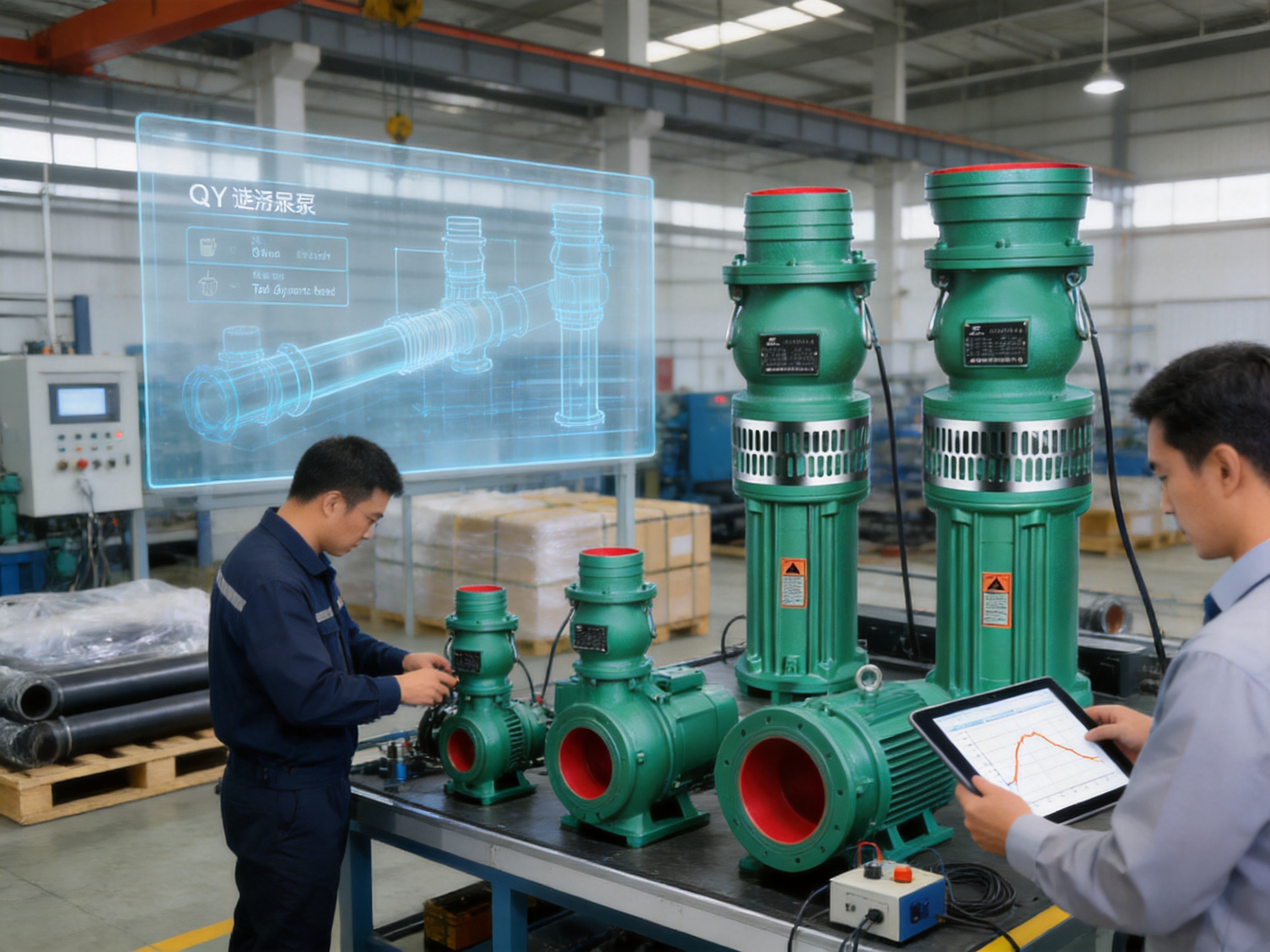
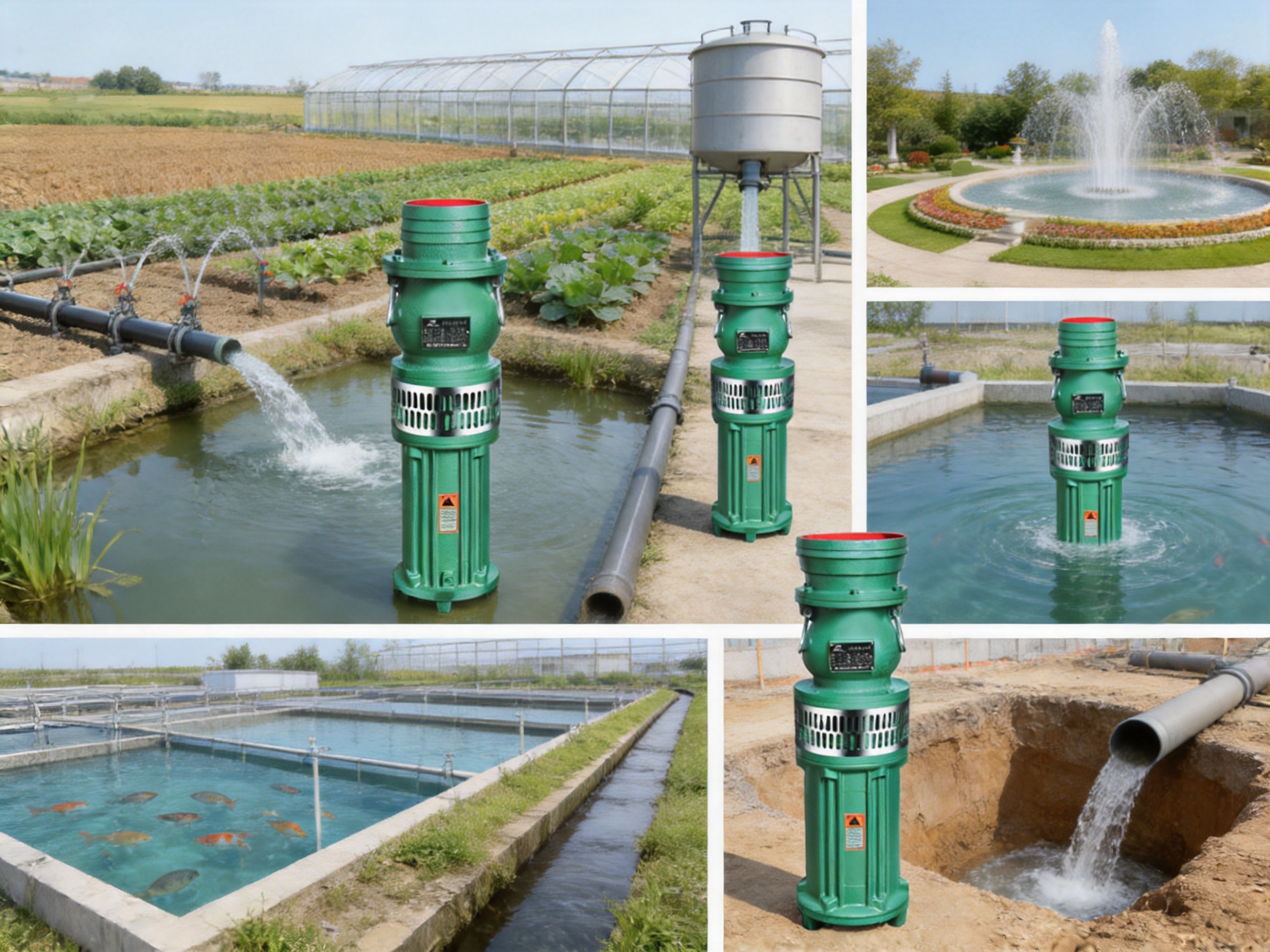
The QY Multi-Stage Submersible Pump is designed for reliable water lifting, irrigation, drainage, and general water-supply duties in agricultural, industrial, municipal, and environmental applications. Its combination of submersible operation, multiple flow and head configurations, three-phase electrical compatibility, and compact integrated construction makes it suitable for users who need practical pumping performance in demanding water-handling environments.
Unlike a surface-mounted pump, a submersible pump operates below the water level. This arrangement allows the pump to push water directly through the discharge line while reducing the need for priming and minimizing suction-related problems. The QY series is designed for full submersion during operation and is available in a broad range of models, allowing users to select a configuration according to required flow, lifting height, pipe size, and motor power.
The series is suitable for farmland irrigation, garden sprinkler systems, fountain projects, well-water extraction, water-tower supply, drainage operations, ecological landscape applications, and general water transfer. Its specifications also make it applicable to aquaculture support systems where clean or lightly contaminated water must be circulated, replenished, or removed.
Manufactured by Zhejiang ZhenTai Mechanical and Electrical Co., Ltd., the product benefits from the company’s experience in water pumps, aeration equipment, air blowers, and related electromechanical products. The manufacturer’s product portfolio covers more than 90 products across 10 series, supporting customers in aquaculture, irrigation, drainage, environmental protection, chemical industries, household water supply, landscape projects, and flood-control applications.
For buyers comparing submersible pumps, the most important considerations are not only rated power and nominal flow. A suitable pump must also match the total dynamic head, discharge pipe diameter, water quality, operating temperature, electrical supply, installation depth, duty cycle, and maintenance conditions. This article explains the QY series in detail and provides a practical framework for selecting, installing, and operating the correct model.
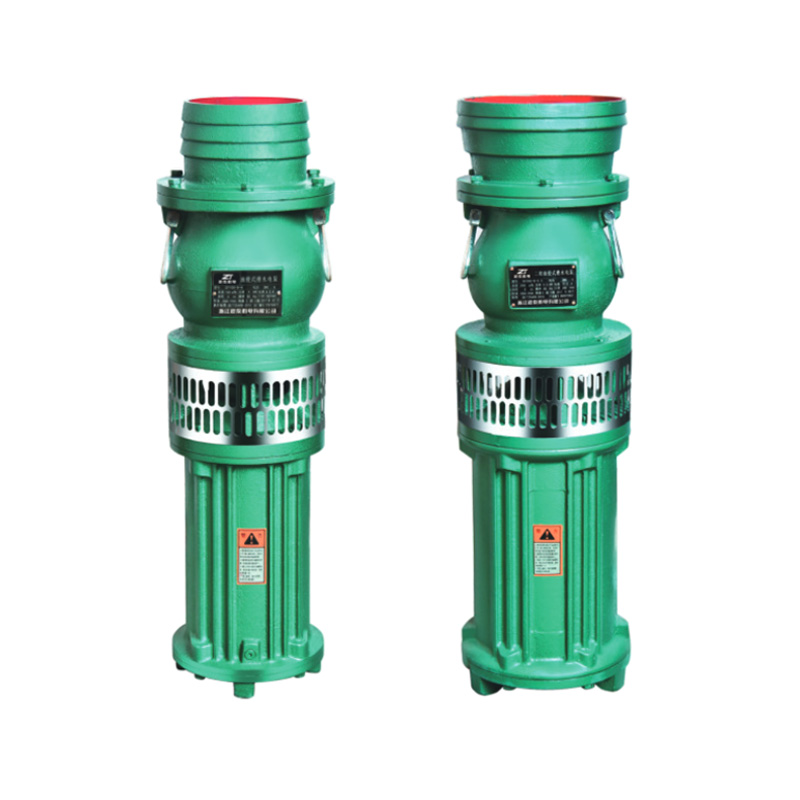
QY Multi-stage Submersible Pump
1. Product Overview
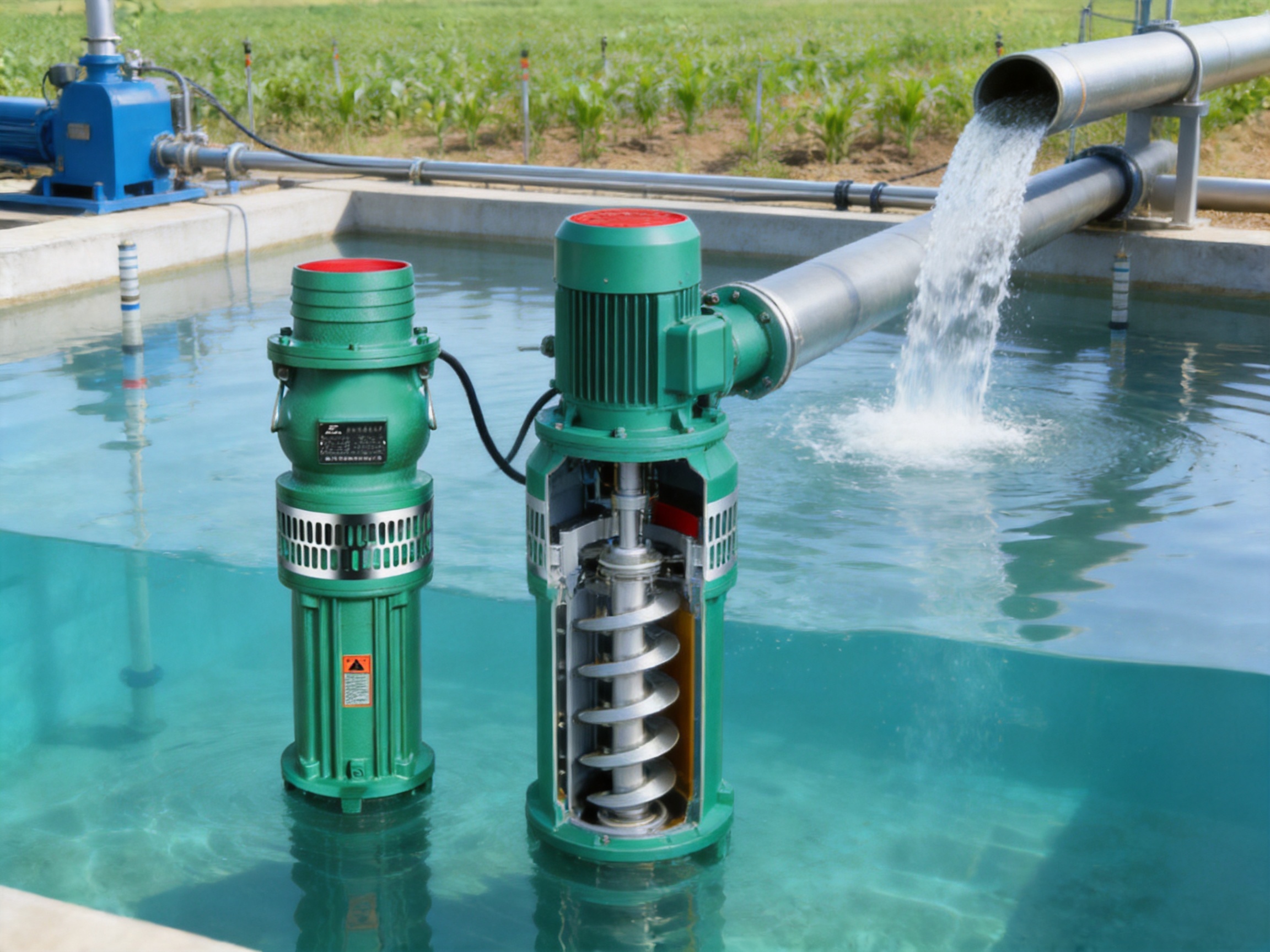
The QY Multi-Stage Submersible Pump is a vertical submersible water pump designed to operate while fully immersed in the pumped medium. The pump and motor are integrated into one compact unit, reducing the space required for installation and eliminating the long suction pipe normally associated with surface pumps.
The term “multi-stage” refers to the use of multiple impeller stages arranged within the hydraulic section. Each stage contributes to the pressure developed by the pump. Depending on the selected model, the pump can deliver moderate flow at a relatively high head or a larger volume at a lower head. This flexibility is useful when a project requires different combinations of water volume and lifting height.
The available QY models cover rated flows from 15 to 260 cubic meters per hour as presented in the supplied product data. Rated head values range from 4 to 38 meters. Motor power ranges from 2.2 to 7.5 kilowatts, while the listed electrical voltage is 380 volts and the standard speed is 2,860 revolutions per minute.
The product family uses several discharge sizes, including 2-inch, 2.5-inch, 3-inch, 4-inch, 6-inch, and 8-inch configurations. This range allows the pump to be matched to different pipeline systems, installation layouts, and water-transfer requirements.
Large-diameter models are identified as oil-immersed structures. Oil immersion can help support motor insulation and heat transfer in suitable submersible equipment designs. The pump must nevertheless be operated within the specified water-quality, temperature, depth, and electrical limits. Correct application remains essential for achieving long service life.
2. Main Operating Specifications
The QY series is intended for water and water-like media within defined operating limits. The maximum medium temperature is 40 degrees Celsius. The recommended pH range is 6.5 to 8.5, which corresponds generally to neutral or near-neutral water conditions. The allowable solid impurity content is no more than 0.1 percent, and the maximum particle size is listed as no more than 0.2 millimeters.
These limits are important because submersible pump performance depends heavily on the pumped medium. Water containing excessive sand, abrasive particles, fibrous materials, corrosive chemicals, or large solids may damage impellers, wear rings, seals, bearings, or motor components. If the application involves unusual liquids, the buyer should provide a complete medium analysis before ordering.
The pump is designed for a 50 hertz power frequency and a voltage fluctuation range of plus or minus 10 percent of the rated voltage. The listed models use 380 volts, generally corresponding to three-phase industrial power systems. Electrical installation should be completed by qualified personnel using suitable overload protection, grounding, short-circuit protection, and cable selection.
The maximum submersion depth is listed as 5 meters. This depth should not be exceeded unless the manufacturer confirms a different configuration for the specific application. Excessive immersion depth can increase external pressure on seals, cable entries, and the motor housing. It may also complicate retrieval, inspection, and maintenance.
| Specification | Available or permitted value | Application significance |
|---|---|---|
| Product type | QY multi-stage submersible pump | Integrated underwater pumping for lifting, irrigation, drainage, and water transfer |
| Medium temperature | Up to 40 degrees Celsius | Suitable for ordinary cool or moderately warm water within the specified limit |
| pH range | 6.5 to 8.5 | Intended for neutral or near-neutral water |
| Solid impurity content | Up to 0.1 percent | Water should not contain excessive abrasive or suspended solids |
| Maximum particle size | Up to 0.2 millimeters | Fine particles only; screening may be required for dirty water |
| Frequency | 50 hertz | Must match the local power supply |
| Voltage | 380 volts, with fluctuation within plus or minus 10 percent | Requires a compatible three-phase electrical system |
| Maximum submersion depth | 5 meters | Installation should remain within the approved operating depth |
| Speed | 2,860 revolutions per minute | High-speed motor operation for the listed performance range |
| Motor power range | 2.2 to 7.5 kilowatts | Supports several flow and head combinations |
The supplied source table labels flow with “m²/h.” In pump engineering, flow rate is normally expressed in cubic meters per hour, written as m³/h. Buyers should confirm the final unit, rated point, and performance curve with the supplier before technical approval or purchase order issuance.
3. Hydraulic Design and Performance Range
A major advantage of the QY series is the breadth of available hydraulic combinations. The product range is not limited to one fixed operating point. Instead, users can choose from models that prioritize higher head, higher flow, or a balance between the two.
For example, the QY15-26-2.2 model is rated at a flow of 15 cubic meters per hour and a head of 26 meters, while the QY65-7-2.2 model is rated at 65 cubic meters per hour and a head of 7 meters. Both models use a 2.2-kilowatt motor, but their hydraulic configurations serve different installation requirements.
At the 3-kilowatt level, the QY15-36-3 provides a higher rated head of 36 meters at 15 cubic meters per hour. The QY100-4-3, by contrast, is designed for a much larger flow of 100 cubic meters per hour at a lower head of 4 meters. This illustrates why pump selection should be based on the complete system duty point rather than motor power alone.
The 4-kilowatt group includes models from 25 to 100 cubic meters per hour and heads from 9 to 38 meters. The higher-capacity models, such as the QY160-8-5.5, QY200-6-5.5, QY200-8-7.5, and QY260-6-7.5, are intended for large-volume transfer, low-to-moderate lifting, drainage, irrigation, or water circulation.
| Model | Flow | Head | Discharge size | Power | Voltage | Speed |
|---|---|---|---|---|---|---|
| QY15-26-2.2 | 15 m³/h | 26 m | 2 inches | 2.2 kW | 380 V | 2,860 r/min |
| QY25-17-2.2 | 25 m³/h | 17 m | 2.5 inches | 2.2 kW | 380 V | 2,860 r/min |
| QY40-12-2.2 | 40 m³/h | 12 m | 3 inches | 2.2 kW | 380 V | 2,860 r/min |
| QY65-7-2.2 | 65 m³/h | 7 m | 4 inches | 2.2 kW | 380 V | 2,860 r/min |
| QY15-36-3 | 15 m³/h | 36 m | 2 inches | 3 kW | 380 V | 2,860 r/min |
| QY25-26-3 | 25 m³/h | 26 m | 2.5 inches | 3 kW | 380 V | 2,860 r/min |
| QY40-16-3 | 40 m³/h | 16 m | 3 inches | 3 kW | 380 V | 2,860 r/min |
| QY65-10-3 | 65 m³/h | 10 m | 4 inches | 3 kW | 380 V | 2,860 r/min |
| QY100-4-3 | 100 m³/h | 4 m | 6 inches | 3 kW | 380 V | 2,860 r/min |
| QY25-38-4 | 25 m³/h | 38 m | 2.5 inches | 4 kW | 380 V | 2,860 r/min |
| QY40-21-4 | 40 m³/h | 21 m | 3 inches | 4 kW | 380 V | 2,860 r/min |
| QY65-14-4 | 65 m³/h | 14 m | 4 inches | 4 kW | 380 V | 2,860 r/min |
| QY100-9-4 | 100 m³/h | 9 m | 6 inches | 4 kW | 380 V | 2,860 r/min |
| QY160-8-5.5 | 160 m³/h | 8 m | 6 inches | 5.5 kW | 380 V | 2,860 r/min |
| QY200-6-5.5 | 200 m³/h | 6 m | 8 inches | 5.5 kW | 380 V | 2,860 r/min |
| QY200-8-7.5 | 200 m³/h | 8 m | 6 inches | 7.5 kW | 380 V | 2,860 r/min |
| QY260-6-7.5 | 260 m³/h | 6 m | 8 inches | 7.5 kW | 380 V | 2,860 r/min |
The figures in the table are nominal selection data. Actual operating performance may vary with water level, pipe length, bends, valves, elevation changes, discharge restrictions, and other system losses. For a final selection, the duty point should be plotted against the manufacturer’s performance curve.
4. Advantages Compared with Conventional Alternatives
4.1 Direct Submerged Operation
One of the primary advantages of a submersible design is that the pump is positioned directly in the water. This reduces the suction distance between the water surface and the hydraulic inlet. Surface pumps may require careful priming, foot valves, suction-pipe sealing, and protection against air leakage. A submersible pump avoids many of these issues because the pump remains below the water level.
Direct submerged operation can also simplify the layout of temporary drainage systems, irrigation reservoirs, storage tanks, ponds, and construction sites. The installation does not require a separate pump house in every application, helping users reduce structural work and make better use of limited space.
4.2 Multiple Flow and Head Options
Competitor product lines may offer only a small number of fixed configurations, forcing users to oversize a pump or accept a poor match between the equipment and the pipeline. The QY series provides multiple combinations across several power ratings. This allows the user to select a pump closer to the actual project requirement.
A closer match can improve operating efficiency, reduce unnecessary throttling, limit motor stress, and avoid excessive water velocity in the pipeline. It also makes the pump range useful for both small irrigation installations and higher-capacity drainage or water-transfer projects.
4.3 Compact Integrated Construction
The integrated motor-and-pump arrangement saves installation space and reduces the number of external components. There is no requirement for a separate baseplate, coupling, surface motor, or long suction assembly. Fewer external components can make installation faster and reduce the number of alignment and connection points that require attention.
For contractors working on agricultural sites, construction projects, municipal drainage tasks, and temporary water-transfer operations, this compact arrangement can simplify transportation and deployment. The pump can be installed in a tank, pond, well, or flooded area using a suitable discharge line and lifting arrangement.
4.4 Broad Application Coverage
The QY series is not restricted to one market. Its operating range covers irrigation, drainage, landscape water transfer, water-tower filling, fountain projects, well extraction, aquaculture support, and general water supply. This broad application coverage is beneficial for distributors and engineering contractors that serve several industries.
A product family with multiple sizes also helps distributors reduce the need to stock unrelated pump designs. Different customers can be served through model selection within one series, while technical support, spare-parts planning, and product training can remain more consistent.
4.5 Compatibility with Industrial Power Systems
The listed 380-volt, 50-hertz configuration is suitable for many industrial and agricultural facilities using three-phase electrical distribution. Three-phase motors are commonly selected for continuous-duty pumping because they can provide stable operation and practical power transmission in industrial environments.
Electrical compatibility must always be verified locally. The customer should confirm rated current, starting method, protection requirements, cable length, grounding, and local electrical standards before installation. A pump should never be connected to a power source simply because the voltage appears similar.
5. Applications in Agriculture and Irrigation
Irrigation systems require a pump that can deliver the required volume while overcoming elevation, pipeline friction, filters, valves, sprinkler pressure, and other system losses. The QY series can be applied to open-field irrigation, greenhouse irrigation, garden sprinkler systems, nursery operations, and water transfer from reservoirs or collection ponds.
Lower-head, higher-flow models are appropriate when water must be moved across a relatively short elevation difference or distributed through large-diameter pipelines. Higher-head configurations are better suited to installations requiring vertical lifting, elevated storage, longer pipelines, or pressure at the delivery point.
For sprinkler systems, the pump selection should consider the pressure required at each sprinkler head. A pump that provides adequate flow but insufficient head may produce weak spray coverage. Conversely, a pump with excessive head may require throttling or pressure regulation, increasing energy consumption and potentially stressing fittings.
Before installation, the irrigation designer should calculate the total dynamic head. This includes the vertical distance from the water surface to the highest discharge point, friction losses in the pipe, losses through elbows and valves, and the pressure required by the irrigation equipment. Selecting a model using only the vertical height will generally produce an undersized system.
6. Applications in Drainage and Water Transfer
Drainage work often requires fast removal of water from pits, basements, construction areas, foundation excavations, reservoirs, flooded yards, and municipal facilities. A submersible pump can be placed directly in the collection area, allowing water to be removed without installing a permanent suction system.
The larger QY models can support high-volume transfer where the lifting height is moderate. The QY160-8-5.5, QY200-6-5.5, QY200-8-7.5, and QY260-6-7.5 models are examples of configurations intended for larger water volumes at relatively low heads.
Drainage water should be screened or inspected before entering the pump. The stated maximum particle size is 0.2 millimeters, which means the pump is not intended to handle large stones, construction debris, fibrous waste, or heavy abrasive slurry without additional protection. A strainer can prevent large objects from entering the inlet, but it must be cleaned regularly to avoid restricting flow.
For temporary drainage, the pump should be suspended or positioned on a stable support where practical. It should not be allowed to rest in mud or sediment that can block the inlet. The discharge hose or pipe should be secured so that starting torque, vibration, and hydraulic movement do not pull the pump or damage the electrical cable.
7. Aquaculture, Ponds, and Landscape Projects
Water movement is essential in aquaculture facilities and ecological landscape systems. The QY series can be used for pond water transfer, tank replenishment, circulation, reservoir filling, water-level management, and support of related aeration or filtration systems.
In aquaculture, the pump should be selected according to the required turnover rate and system head. A pump may be used to move water through biological filters, raceways, settling tanks, heat exchangers, or distribution manifolds. Because fish and aquatic organisms are sensitive to water quality, the pump should be operated only with media within the specified pH, temperature, and impurity limits.
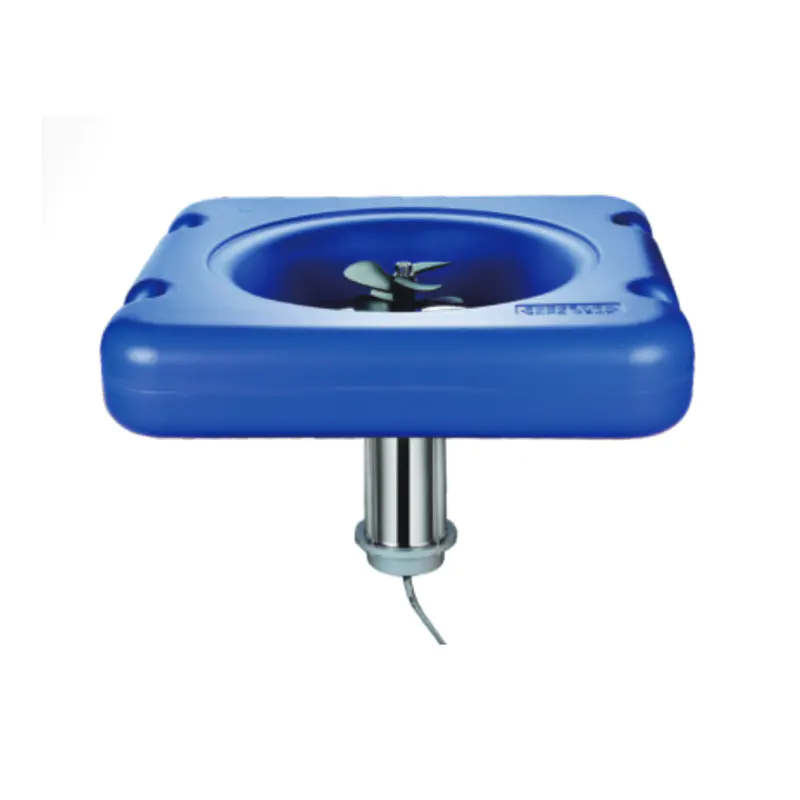
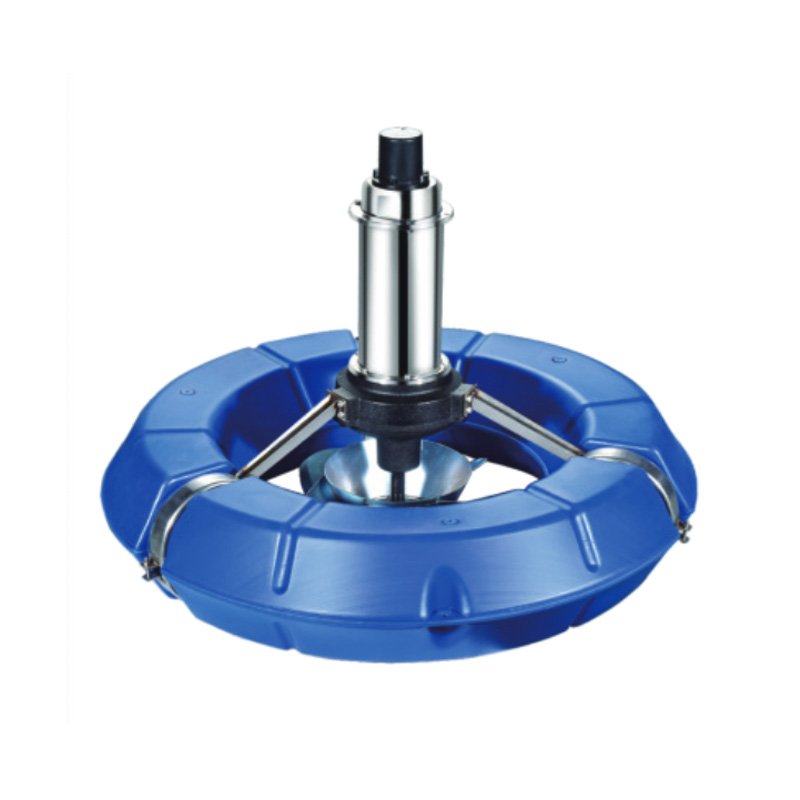
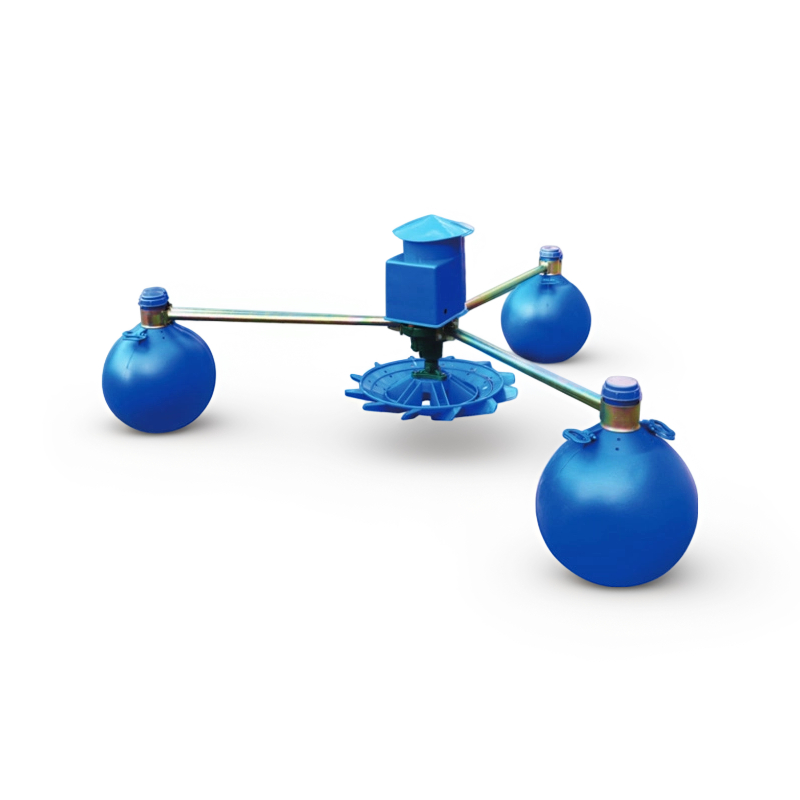
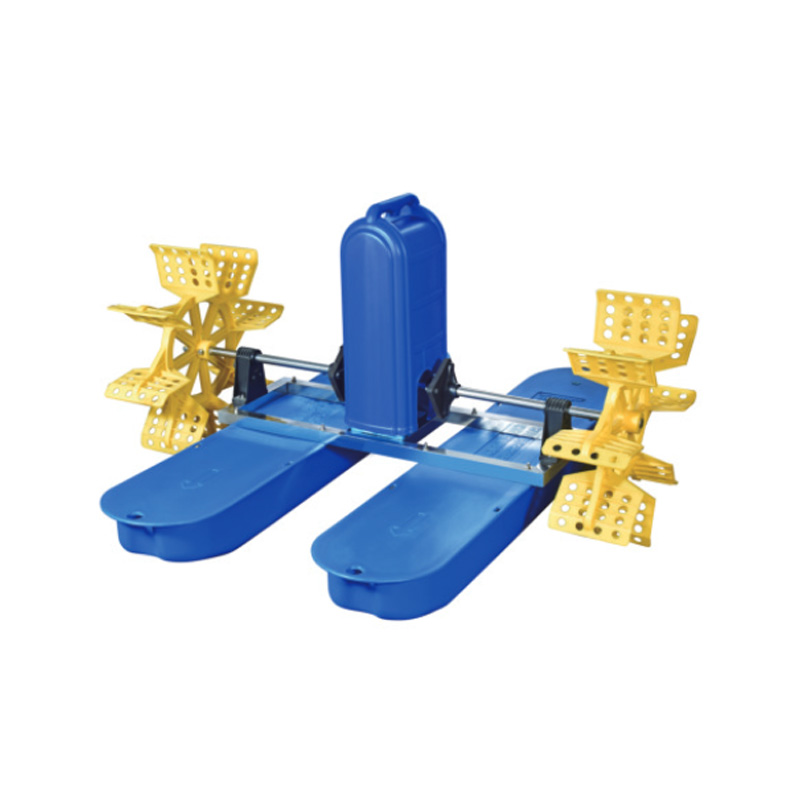
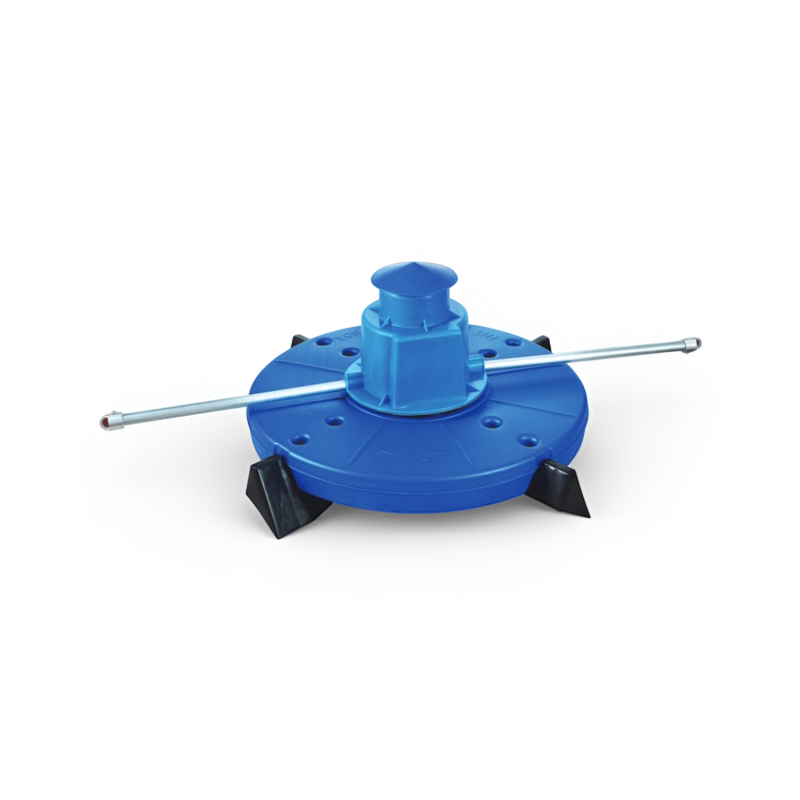
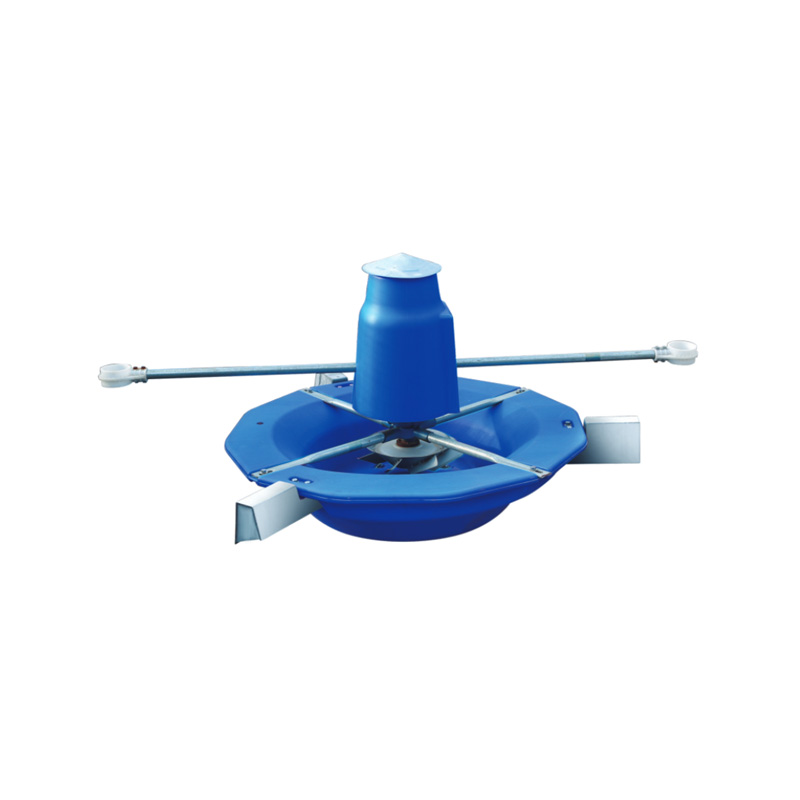
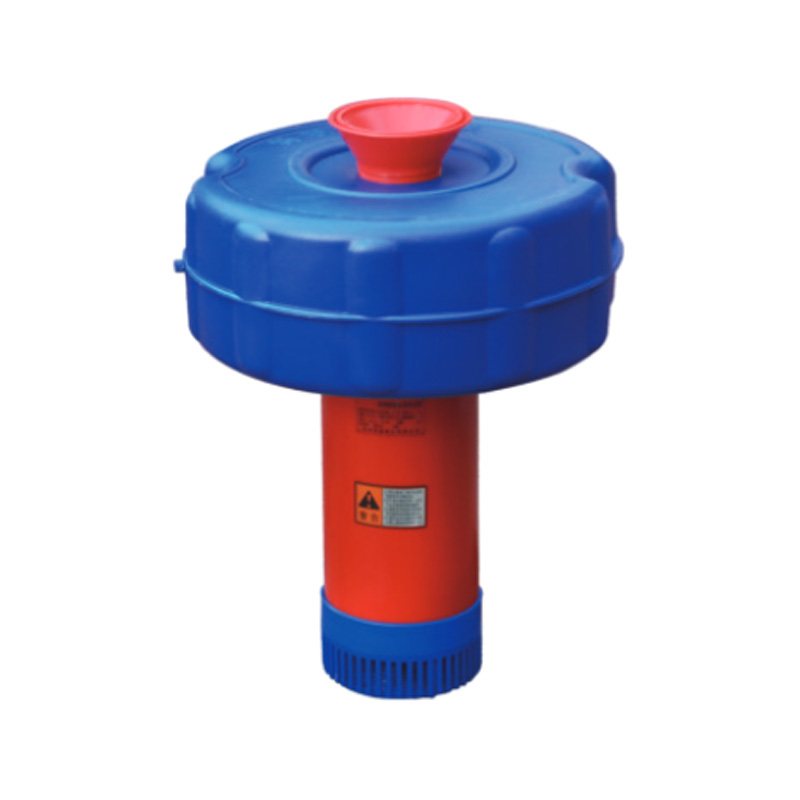
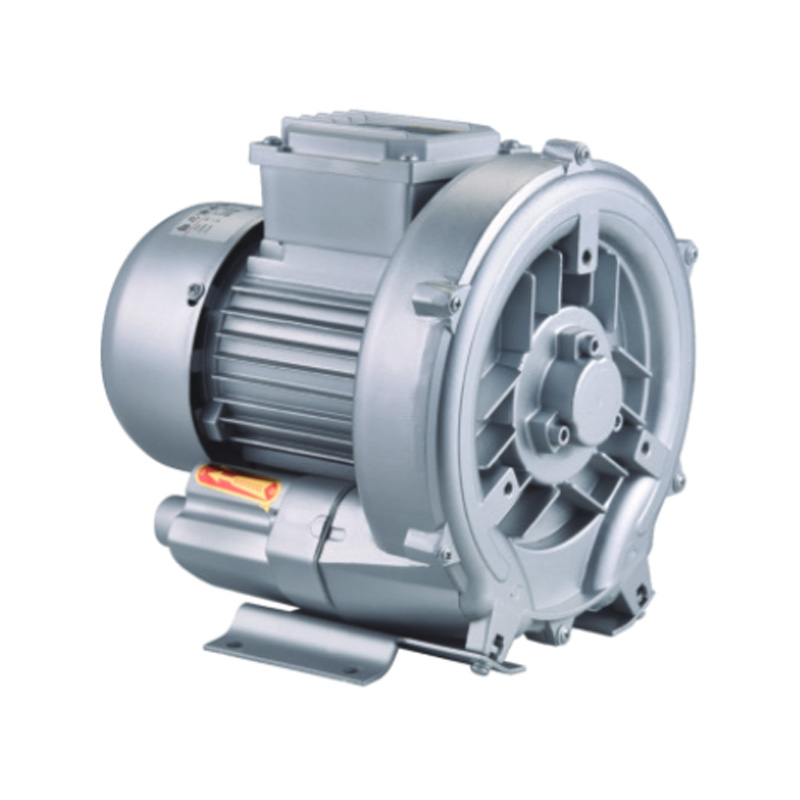
The QY pump can also complement floating aerators, impeller aerators, water-wheel aerators, and air blowers in a broader pond-management system. A pump transfers or circulates water, while aeration equipment adds oxygen or improves surface mixing. Combining these technologies can help engineers address both hydraulic circulation and dissolved-oxygen requirements, provided that the complete system is correctly designed.
For fountains and landscape lakes, the selected model must account for nozzle pressure, display height, pipe friction, filtration, and operating schedule. The pump should be installed where it can be safely accessed for inspection without disturbing the surrounding landscape. A suitable inlet screen is recommended to protect the hydraulic components from leaves, stones, and other debris.
8. Manufacturing Strengths and Quality-Focused Production
The product is manufactured by Zhejiang ZhenTai Mechanical and Electrical Co., Ltd., a company established in 2018 and located in Wenling, Zhejiang Province, China. Wenling is recognized as an important manufacturing area for small and medium-sized pumps, motors, and electromechanical equipment. The company’s location supports access to an established industrial supply chain and a skilled manufacturing base.
The company specializes in the research, development, and production of more than 90 products across 10 series. Its product categories include floating aerators, impeller aerators, water-wheel aerators, water pumps, submersible pumps, and air blowers. This product breadth gives the manufacturer experience with hydraulic equipment, motor systems, rotating assemblies, electrical components, sealing arrangements, and application-specific product requirements.
A broad product portfolio can strengthen manufacturing capability in several ways. Common components and production knowledge may be shared between product lines, while engineering teams can develop a deeper understanding of motor performance, impeller geometry, casting or machining requirements, electrical protection, and water-handling applications.
For the QY series, quality-focused production should include inspection of key components, verification of motor electrical characteristics, dimensional checks, assembly control, sealing inspection, and functional testing. The supplied materials emphasize reliable products, continuous technological innovation, professional technical support, and customized OEM/ODM services. These strengths are especially valuable for international buyers who need consistent specifications and communication during project development.
Advanced manufacturing is not limited to automated machinery. It also includes controlled processes, repeatable assembly methods, experienced engineering personnel, clear inspection standards, traceability, and systematic feedback from field applications. A pump manufacturer that combines these elements is better positioned to maintain consistency across different production batches and model sizes.
The company’s experience in aquaculture equipment and water pumps is particularly relevant to the QY series. Pump users in agricultural, aquaculture, environmental, and municipal applications often require equipment that can operate in variable outdoor conditions. Understanding these end-use environments helps the manufacturer provide practical model recommendations rather than relying only on nominal motor ratings.
8.1 Research and Development Orientation
Research and development supports improvements in hydraulic performance, motor reliability, structural durability, energy use, and ease of maintenance. In a multi-model product family, development work also helps manufacturers balance common parts with application-specific designs.
For international projects, research and development capability is important when buyers request changes to cable length, discharge connection, motor configuration, packaging, labeling, operating instructions, or electrical requirements. The company’s stated OEM/ODM service capability can support customized purchasing programs, subject to technical review and production feasibility.
8.2 Manufacturing Consistency
Manufacturing consistency is essential for distributors, contractors, and system integrators. A pump should perform according to its approved specifications and should remain compatible with replacement components supplied later. Standardized model identification, documentation, inspection records, and packaging can help customers manage repeat orders and after-sales service.
Buyers should request the applicable inspection documents, performance data, electrical test results, and warranty terms for the specific order. The exact quality-control procedure may vary according to model, market, certification requirements, and customer agreement.
8.3 OEM and ODM Support
OEM and ODM support can be useful for importers, irrigation-equipment brands, aquaculture solution providers, and engineering companies. Possible project requirements may include private labeling, customized product plates, packaging design, language-specific manuals, selected cable arrangements, and coordinated shipment planning.
Customization should not compromise the pump’s rated operating limits. Any change to the motor, hydraulic components, seals, cable, or control system should be reviewed by qualified technical personnel. The buyer should receive a final approved specification before mass production begins.
9. Correct Pump Selection Method
The first selection parameter is required flow. Flow should be expressed as the volume of water that must be delivered per unit of time. It may be determined by irrigation demand, tank filling time, drainage volume, aquaculture turnover, fountain design, or water-supply requirements.
The second parameter is total dynamic head. Total dynamic head is more than the vertical height. It includes static elevation, pipeline friction, fittings, valves, filters, nozzles, and required terminal pressure. A practical calculation should use the actual pipe material, internal diameter, length, flow rate, and number of fittings.
The third parameter is water quality. The QY series is intended for media with a temperature no higher than 40 degrees Celsius, pH from 6.5 to 8.5, solid impurity content no higher than 0.1 percent, and particle size no larger than 0.2 millimeters. If the water contains sand or suspended solids, a pre-screening or settling arrangement may be required.
The fourth parameter is electrical availability. The listed models use 380 volts at 50 hertz. The customer must confirm that the site has an appropriate three-phase supply. Voltage fluctuation, cable distance, starting current, overload protection, and grounding must be evaluated by an electrician.
The fifth parameter is physical installation. The maximum submersion depth is 5 meters. The pump must remain fully submerged during operation, and the intake should be clear of the bottom, mud, and floating debris. The discharge pipe should be adequately supported and should not place excessive mechanical load on the pump outlet.
The sixth parameter is operating schedule. Intermittent drainage, seasonal irrigation, and continuous industrial circulation may require different control methods and maintenance plans. Users should confirm whether the selected model is suitable for the planned duty cycle and whether automatic level controls are required.
10. Installation Recommendations
Before installation, inspect the pump, cable, discharge connection, fasteners, lifting points, and protective equipment. Confirm that the model nameplate agrees with the purchase order and that the power supply matches the rated voltage and frequency.
Install the pump vertically or in the orientation approved by the manufacturer. The pump should be completely submerged before starting. Running a water-cooled or water-lubricated submersible unit without adequate surrounding water may cause overheating, seal damage, or premature failure.
Keep the inlet away from the bottom of the pond, tank, or excavation. If the pump is placed directly on the bottom, sediment can enter the hydraulic passage and restrict the inlet. A stable frame, platform, or suspension arrangement can help maintain clearance.
Use a suitable discharge pipe or hose with an internal diameter appropriate for the selected model. Excessively narrow piping increases friction loss and can reduce the delivered flow. Excessively long pipe runs should be evaluated carefully because every additional length, bend, valve, and fitting increases system resistance.
Secure the electrical cable independently from the discharge pipe. Never use the power cable as a lifting rope. The cable should be protected from sharp edges, abrasion, excessive bending, sunlight where relevant, vehicle traffic, and contact with moving equipment.
Provide electrical protection appropriate to the motor. Recommended protective measures may include an isolator, circuit breaker, overload relay, grounding, phase-loss protection, and emergency shutoff. The exact arrangement should comply with local electrical codes and the requirements of the installation site.
After installation, verify the direction of rotation where applicable, check for abnormal vibration or noise, inspect the discharge flow, and monitor the motor current. If the pump draws excessive current, produces unusual noise, vibrates strongly, or fails to deliver water, stop the equipment and identify the cause before continued operation.
11. Maintenance and Service Practices
Routine maintenance begins with visual inspection. Check the water around the pump for excessive sediment, debris, oil, or unusual discoloration. Inspect the discharge line for leaks, blockage, collapsed hose sections, and loose supports. Review electrical connections for signs of overheating or moisture intrusion.
The inlet screen should be cleaned as required by the water conditions. A blocked screen can reduce flow, increase hydraulic resistance, and cause the pump to operate away from its intended duty point. In drainage applications, inspection may be required more frequently than in clean-water irrigation systems.
When removing the pump, isolate the electrical supply and confirm that the equipment cannot start unexpectedly. Allow the pump to cool if it has been operating. Use appropriate lifting equipment and never lift the unit by its electrical cable.
Seasonal users should drain, clean, inspect, and store the pump according to the manufacturer’s recommendations. Protect the unit from freezing conditions, impact, corrosive substances, and unauthorized electrical connection. Before returning it to service, inspect the cable, seals, inlet, discharge connection, and insulation condition.
Maintenance intervals depend on operating hours, water quality, duty cycle, and installation conditions. A pump used in clean irrigation water may require less frequent cleaning than one used for construction drainage. Any repair involving the motor, seals, insulation, or hydraulic stages should be performed by qualified service personnel.
12. Safety Considerations
Water and electricity create a serious hazard. The pump should be installed, tested, and maintained by personnel who understand electrical safety and submersible equipment. Never enter a tank, pond, pit, or flooded area while the pump is energized.
Disconnect and lock out the power supply before inspection or maintenance. Do not touch the pump, cable, or water while standing in an unsafe electrical environment. Grounding and residual-current protection should be evaluated according to local regulations and site conditions.
Do not operate the pump outside the stated medium limits. Excessive temperature, unsuitable pH, large solids, abrasive slurry, or excessive submersion depth can create both equipment and safety risks. If the application differs from ordinary water transfer, obtain written technical confirmation before use.
Use warning signs and physical barriers where the pump is installed in public areas, agricultural work zones, construction sites, or municipal facilities. Protect the discharge line from vehicle impact and protect cables from cutting, crushing, and unauthorized access.
13. Why This Product Is Suitable for International Buyers
International buyers often require more than a basic pump. They need stable product identification, clear technical data, packaging coordination, responsive communication, and the ability to support different application markets. The QY series offers a broad model range that can serve several common water-handling requirements.
The manufacturer’s combined experience in aerators, air blowers, water pumps, and submersible equipment creates a useful platform for distributors serving aquaculture, irrigation, environmental engineering, and drainage customers. A buyer can discuss related equipment requirements with one supplier rather than sourcing every product category separately.
The company provides OEM and ODM support for global customers. This may benefit buyers who want to develop a private-label pump range, integrate the pump into a complete irrigation package, or standardize product appearance and documentation across several markets.
Technical communication remains essential. Buyers should provide the target flow, required head, medium characteristics, power supply, installation depth, working schedule, discharge connection, destination-market requirements, and expected order quantity. With this information, the manufacturer can recommend a suitable model and prepare a more accurate quotation.
14. Q&A
Q1: What type of pump is the QY series?
The QY series is a multi-stage submersible pump for water lifting, irrigation, drainage, water transfer, well-water extraction, fountain systems, water-tower supply, and related applications. It is designed to operate fully submerged in the pumped medium.
Q2: Does the pump need to be primed?
Because the pump operates below the water surface, it does not use the same suction arrangement as a typical surface-mounted pump. It must still be fully submerged before operation, and the inlet must remain clear of air, mud, and excessive debris.
Q3: What is the maximum water temperature?
The maximum listed medium temperature is 40 degrees Celsius. Applications involving hotter water require separate technical confirmation and should not be assumed suitable.
Q4: What water quality can the pump handle?
The specified medium should have a pH from 6.5 to 8.5, solid impurity content no greater than 0.1 percent, and a maximum particle size of 0.2 millimeters. The pump is not intended for large solids, heavy abrasive slurry, or strongly corrosive liquids without an approved special configuration.
Q5: What electrical supply is required?
The listed models use 380 volts and 50 hertz, with voltage fluctuation within plus or minus 10 percent of rated voltage. Electrical compatibility, current, protection, grounding, and local regulations must be confirmed before installation.
Q6: How deep can the pump be installed?
The maximum listed submersion depth is 5 meters. Installation beyond this depth should only be considered after written confirmation from the manufacturer for the specific model and configuration.
Q7: Which model is suitable for high flow and low head?
Models such as the QY160-8-5.5, QY200-6-5.5, QY200-8-7.5, and QY260-6-7.5 provide higher listed flow rates at relatively low heads. Final selection still depends on pipeline losses and the actual system duty point.
Q8: Which model is suitable for higher lifting height?
Higher-head models include the QY15-36-3 and QY25-38-4, with listed heads of 36 and 38 meters respectively. The QY15-26-2.2 and QY25-26-3 also provide 26-meter head ratings. The actual required head should be calculated before ordering.
Q9: Can the pump be used for aquaculture?
It can be used for suitable aquaculture water-transfer and circulation duties, provided that the water remains within the specified temperature, pH, impurity, and particle-size limits. The pump should be integrated with appropriate screens, filters, controls, and biological-system requirements.
Q10: Can the pump be customized?
The manufacturer offers OEM and ODM services for global customers. Possible customization should be discussed in advance, including electrical requirements, cable configuration, labeling, packaging, documentation, and project quantities. Any technical modification requires supplier approval.
Q11: Does the pump come with a performance curve?
The supplied information provides nominal model data for flow, head, power, voltage, discharge size, and speed. Buyers should request the official performance curve for the selected model to verify the duty point, efficiency, operating range, and actual expected output.
Q12: What information should be included in an inquiry?
An inquiry should include required flow, total dynamic head, water temperature, pH, solid content, particle size, installation depth, power supply, discharge pipe size, operating hours, application, destination country, and desired quantity. Photos or drawings of the installation can also help technical evaluation.
15. Purchasing Checklist
Before placing an order, verify the selected model, nominal flow, head, discharge size, motor power, voltage, frequency, speed, cable length, packaging, and quantity. Confirm whether the quoted price includes accessories, control components, spare parts, testing, export packaging, and documentation.
Request confirmation of the pump’s operating limits and ask whether the quoted performance is based on clean water under standard test conditions. If the actual liquid contains suspended solids or has a different temperature, provide these details before approval.
For container or distributor orders, establish the inspection procedure, sample approval process, production lead time, labeling requirements, carton marks, spare-parts policy, warranty terms, and after-sales communication method. Clear documentation at the purchasing stage reduces misunderstandings after shipment.
International buyers should also confirm applicable import regulations, electrical certification, customs documentation, product labeling, and destination-market safety requirements. Certification needs may differ by country and should be reviewed before production.
Conclusion
The QY Multi-Stage Submersible Pump provides a practical solution for water lifting, irrigation, drainage, aquaculture support, landscape water transfer, well extraction, fountain projects, and general water-supply applications. Its submerged operating principle reduces suction-system complexity, while the broad range of flow, head, discharge-size, and motor-power combinations helps users select a configuration closer to their actual requirements.
The series is best suited to water within the stated limits of 40 degrees Celsius maximum temperature, pH 6.5 to 8.5, solid impurity content no greater than 0.1 percent, particle size no greater than 0.2 millimeters, and maximum submersion depth of 5 meters. Correct sizing, suitable electrical protection, proper installation, and regular inspection are essential to reliable performance.
Zhejiang ZhenTai Mechanical and Electrical Co., Ltd. supports the product with experience across pumps, aerators, air blowers, and aquaculture equipment. Its research and development orientation, broad manufacturing portfolio, OEM/ODM capabilities, and focus on technical support make the company a suitable partner for distributors, contractors, agricultural users, aquaculture operators, and international engineering projects.
For the best result, customers should select the pump from the complete system duty point rather than from motor power alone. When flow, head, water quality, electrical supply, installation depth, and operating schedule are correctly matched, the QY series can provide dependable and flexible water-handling performance across many professional applications.
References
1. Product specification information for the QY Multi-Stage Submersible Pump, including model, flow, head, discharge size, motor power, voltage, and speed data.
2. Manufacturer-provided operating limits for medium temperature, pH range, solid impurity content, particle size, voltage fluctuation, frequency, and maximum submersion depth.
3. Manufacturer company profile and product-category information for Zhejiang ZhenTai Mechanical and Electrical Co., Ltd.
4. General pump engineering principles concerning total dynamic head, pipeline friction, submersible installation, electrical protection, and water-quality control.
5. General agricultural irrigation, aquaculture circulation, drainage, and landscape water-transfer equipment selection practices.