 English
 Español
 Indonesia
Introduction
Reliable water transfer is essential in aquaculture, agricultural irrigation, construction drainage, ecological landscaping, and many industrial applications. Whenever water must be moved quickly and consistently, the choice of pump affects operating efficiency, maintenance requirements, energy consumption, and overall project reliability. A pump that starts easily, maintains stable flow, handles long operating periods, and can be transported without difficulty offers significant practical value for contractors, farmers, facility managers, and equipment distributors.
The DSU Series High-Flow Electric Pump is designed for these demanding water transfer conditions. It combines an electric drive system, a high-efficiency impeller, optimized hydraulic design, and a low-center-of-gravity frame structure. The result is a practical pump platform intended to balance flow capacity, lift performance, operating stability, ease of handling, and reduced environmental impact.
Unlike fuel-powered equipment that requires gasoline or diesel storage, manual refueling, exhaust management, and regular engine-related servicing, an electric water pump can provide clean, convenient, and quiet operation wherever a suitable power supply is available. Its fuel-free operating concept is especially valuable in enclosed work areas, environmentally sensitive locations, fish farms, irrigation facilities, and projects where low noise and zero direct emissions are important.
The product range includes the WP-20, WP-30, and WP-40B configurations. These models provide different inlet and outlet sizes and flow capacities, allowing users to select a suitable pump according to the scale of the application. The available configurations include 2-inch, 3-inch, and 4-inch connections, with maximum listed flow rates of 30, 50, and 80 cubic meters per hour respectively.
This article examines the construction, performance characteristics, application advantages, manufacturing capabilities, selection considerations, installation procedures, maintenance requirements, and purchasing value of this high-flow water pump series.
DSU Series High-Flow Electric Pump
Product Overview
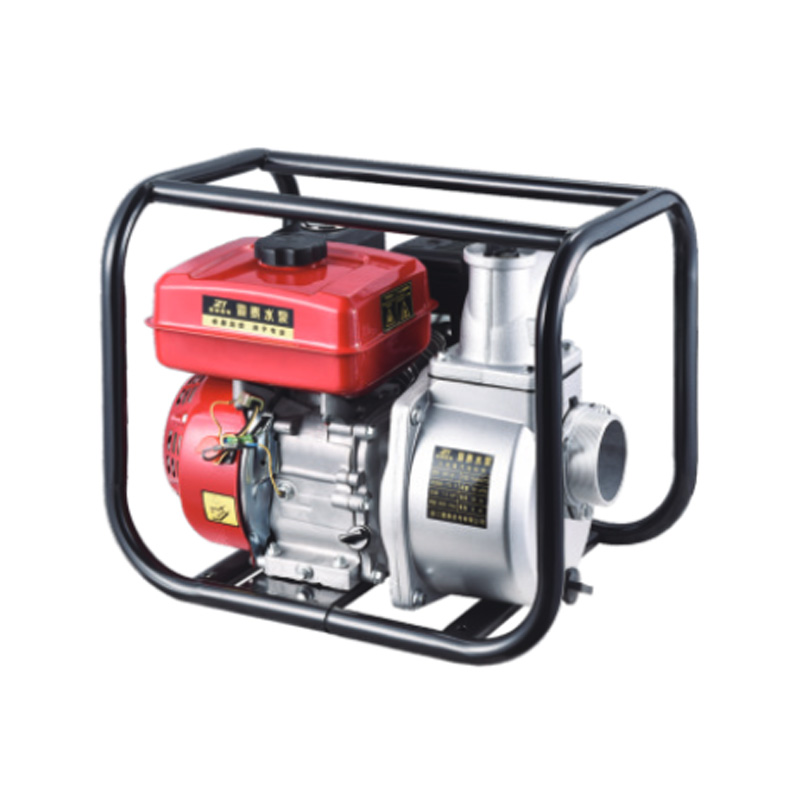
The DSU Series High-Flow Electric Pump is engineered for the transfer of clean or relatively clean water in applications requiring dependable hydraulic performance. It uses an electric motor drive to eliminate fuel consumption during operation. The electric motor is designed to provide rapid startup, convenient control, and stable power delivery for continuous or extended use.
A high-efficiency impeller is the central hydraulic component of the pump. The impeller transfers motor energy to the water and helps establish the required relationship between flow rate and head. The design is supported by fluid simulation optimization, which is intended to improve the internal flow path and reduce unnecessary hydraulic losses. This approach helps the pump balance discharge volume and lifting capability rather than concentrating on only one performance characteristic.
The low-center-of-gravity frame contributes to handling stability. A pump that sits securely on a level surface is easier to position and less likely to shift during operation. This feature is useful on agricultural land, construction sites, drainage areas, and farm service platforms where the ground may not be perfectly uniform.
The operating concept is straightforward. The pump is placed on a stable surface, inlet and outlet pipes are connected securely, and the unit is connected to a suitable electrical power supply. Once the motor is started, the impeller begins moving water through the system. Correct hose sizing, sound connections, proper priming where required, and appropriate operating conditions are essential for achieving the expected performance.
The product is positioned as a practical solution for users who need high-flow water movement without the inconvenience of fuel-powered equipment. It can support routine water transfer, emergency drainage, pond management, irrigation, and other tasks where mobility and dependable output are important.
Key Technical Specifications
The model range is designed to cover several common water transfer requirements. The WP-20 is equipped with a 2-inch inlet and outlet and provides a maximum listed flow of 30 cubic meters per hour. The WP-30 uses 3-inch connections and provides a maximum listed flow of 50 cubic meters per hour. The WP-40B uses 4-inch connections and provides a maximum listed flow of 80 cubic meters per hour.
All three listed models provide a maximum suction height of 8 meters. The WP-20 and WP-30 have a maximum lift of 35 meters, while the WP-40B has a maximum lift of 25 meters. These specifications indicate that the smaller and medium configurations are suited to applications requiring a comparatively higher discharge head, while the 4-inch model is optimized for moving a larger volume of water.
The published performance information lists power ratings of 7 horsepower for the WP-20, 7.5 horsepower for the WP-30, and 7.5 horsepower for the WP-40B. The listed operating speed is 3,600 revolutions per minute. The specification sheet also identifies an engine mode as 170F. Buyers should confirm the exact electrical configuration, rated voltage, frequency, motor type, control method, and applicable power supply with the supplier before placing an order, particularly when preparing equipment for a specific country or project.
| Model | Inlet and Outlet Size | Maximum Flow | Maximum Lift | Maximum Suction | Power Rating | Speed |
| WP-20 | 50 mm, 2 inches | 30 m³/h | 35 m | 8 m | 7 HP | 3,600 rpm |
| WP-30 | 75 mm, 3 inches | 50 m³/h | 35 m | 8 m | 7.5 HP | 3,600 rpm |
| WP-40B | 100 mm, 4 inches | 80 m³/h | 25 m | 8 m | 7.5 HP | 3,600 rpm |
The values in the table represent maximum listed conditions. Actual performance may vary according to pipe length, pipe diameter, elevation, bends, valves, water temperature, inlet conditions, power supply quality, installation height, and the condition of the pump. A professional selection should therefore consider the complete hydraulic system instead of relying only on the maximum flow figure.
Electric Drive Advantages
The electric drive system is one of the most important advantages of this pump series. Electric power enables the unit to start quickly without manual fuel preparation. Operators do not need to mix fuel, refill a tank, drain gasoline after seasonal use, or manage exhaust gases during routine operation. This makes the pump easier to integrate into organized irrigation systems, aquaculture facilities, workshops, and enclosed service areas.
Electric operation can also reduce the number of engine-related maintenance tasks. Fuel-powered pumps typically require attention to fuel filters, carburetors or fuel injection components, spark plugs, engine oil, exhaust systems, and fuel storage. An electric pump avoids many of these requirements. Routine attention can focus more directly on water-side components, electrical connections, seals, hoses, and general cleanliness.
Rapid startup is valuable when water must be transferred without delay. In drainage work, for example, the user may need to begin removing water as soon as a power connection is available. In irrigation, fast startup allows operators to respond quickly to crop or field requirements. In aquaculture, dependable water circulation and exchange can be important for maintaining pond conditions and supporting farm management.
Low-noise operation is another benefit. Noise can be a significant concern near homes, offices, fish farms, ecological parks, and public areas. An electric motor generally provides a more comfortable acoustic environment than a comparable fuel-powered engine, although actual sound levels depend on motor speed, pump loading, mounting conditions, piping vibration, and surrounding structures.
Zero direct emissions at the point of use are particularly useful in enclosed spaces and environmentally sensitive areas. The pump does not produce exhaust gases at the installation site during electric operation. This can support cleaner working conditions and reduce the possibility of exhaust contamination near water treatment areas, greenhouses, buildings, or enclosed service rooms. The overall environmental profile also depends on the source of electricity, but local operating conditions remain cleaner than those associated with combustion equipment.
Hydraulic Design and Flow Performance
The main function of a water pump is to convert mechanical energy into useful water movement. The impeller rotates inside the pump casing, creating a pressure difference that draws water through the inlet and directs it toward the outlet. Every part of this hydraulic path influences performance, including the inlet geometry, impeller blade shape, casing design, clearances, outlet passage, and connection size.
The DSU Series uses a high-efficiency impeller supported by fluid simulation optimization. Fluid simulation is a design method that allows engineers to study how water flows through a pump before final production. By evaluating flow velocity, pressure distribution, turbulence, recirculation, and energy loss, designers can improve the hydraulic passage and refine the impeller profile.
This design approach helps create a more balanced pump. A pump designed only for maximum flow may provide insufficient lift, while a pump designed only for high pressure may move too little water. The listed DSU configurations are arranged for different combinations of flow and head. The WP-20 and WP-30 offer a maximum lift of 35 meters, while the WP-40B emphasizes higher flow capacity at up to 80 cubic meters per hour.
Connection size also affects system performance. A larger outlet can reduce flow resistance when a high volume of water must be moved. The 4-inch WP-40B is therefore appropriate for projects where large-volume discharge is more important than achieving the highest possible lift. The 2-inch WP-20 can be more convenient for smaller installations, narrower hoses, and applications where portability and moderate flow are priorities.
Users should remember that maximum flow is normally measured under favorable conditions. Long hoses, high vertical lifts, undersized pipes, sharp bends, clogged filters, partially closed valves, and poor inlet conditions can all reduce actual discharge. Correct system design is therefore essential. The pump should be selected after estimating static lift, friction loss, required flow, and the condition of the water source.
Competitive Advantages
Fuel-Free Operation
Compared with many portable combustion-engine pumps, the electric design offers a cleaner operating method. There is no routine gasoline or diesel consumption during use, and operators do not need to carry fuel containers to the worksite. This can reduce logistical complexity for farms, construction teams, and maintenance departments.
Fast and Convenient Startup
The electric motor supports quick startup when the power supply and connections are ready. This makes the pump suitable for repeated daily use, seasonal irrigation, emergency water removal, and controlled water transfer processes where operators need a responsive machine.
Lower Noise Profile
Low-noise operation improves working comfort and helps reduce disturbance in areas near residential communities, fish ponds, gardens, and ecological facilities. Quiet operation is also beneficial when pumps must run for extended periods or during hours when noise restrictions may apply.
Stable Long-Duration Operation
The product is designed for continuous and long-duration use. Electric motors can provide consistent rotational speed when connected to a suitable and stable power source. This is useful for irrigation cycles, pond exchange, water circulation, and drainage tasks that require more than a brief operating period.
Flexible Model Selection
Three available configurations provide a practical range of choices. The WP-20 is suitable for smaller water transfer jobs, the WP-30 provides a medium-capacity option, and the WP-40B is designed for higher-volume movement. This range allows distributors and end users to choose a model based on connection size and flow demand rather than purchasing one oversized machine for every application.
Stable Frame Structure
The low-center-of-gravity structure improves placement stability and supports easier handling. A stable frame can reduce movement caused by vibration and help protect hose connections from unnecessary stress. It also makes the equipment more convenient to position during field operations.
Reduced Routine Engine Maintenance
Because the pump is based on an electric drive concept, users can avoid many maintenance tasks associated with combustion engines. This can lower maintenance time and simplify ownership, particularly for organizations operating multiple pumps across different sites.
Applications in Aquaculture
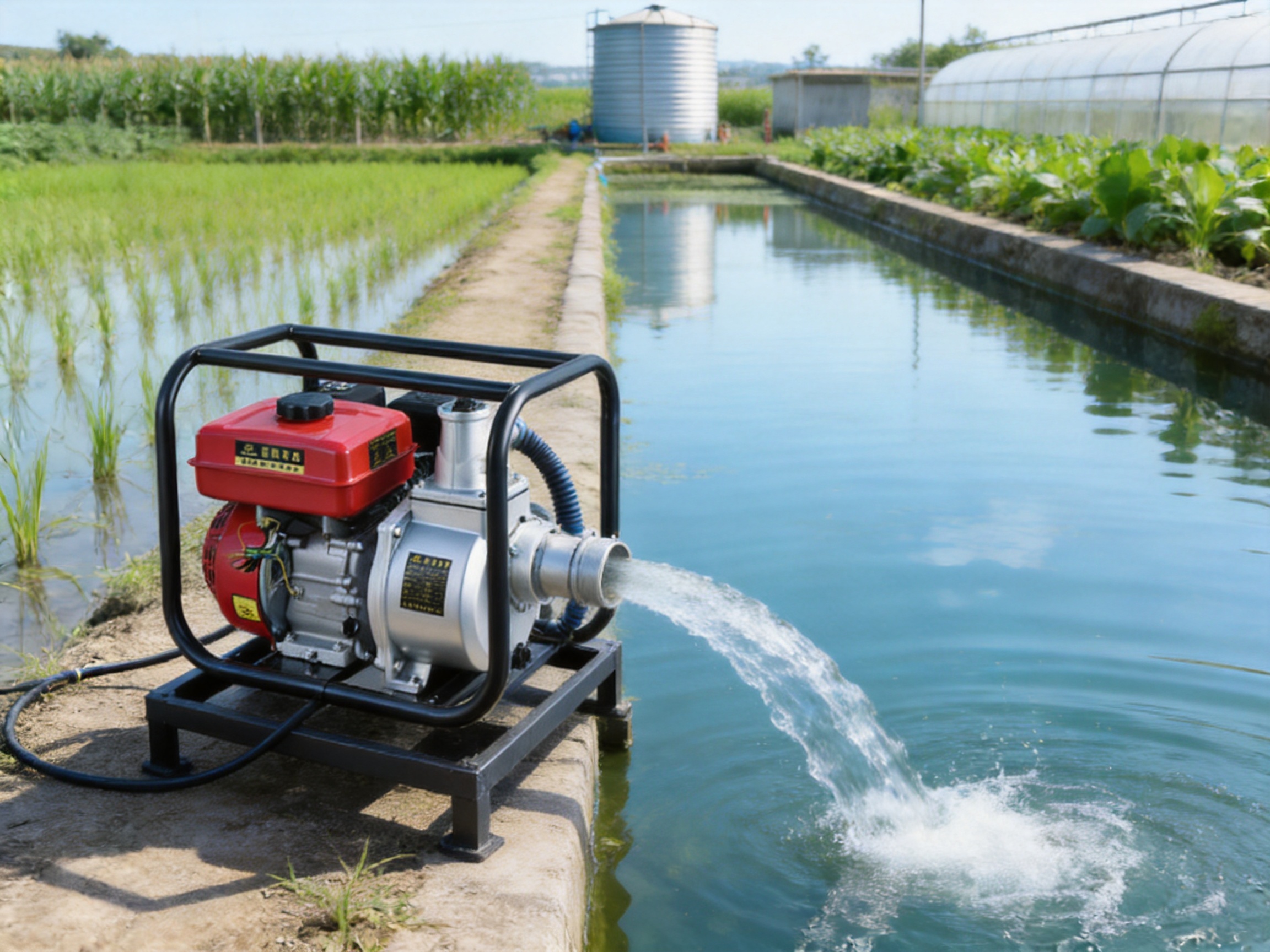
Aquaculture operations depend on reliable water management. Water may need to be transferred between ponds, tanks, reservoirs, filtration areas, and drainage channels. The pump can support pond filling, water exchange, circulation, emergency drainage, and general farm maintenance.
Low-noise operation is valuable in fish and aquatic animal production because unnecessary disturbance can affect the working environment and complicate daily management. Fuel-free operation is also advantageous near water because it reduces the risk of fuel handling, exhaust exposure, and accidental combustion-related contamination at the point of use.
The choice of model depends on the distance and elevation between the water source and destination. The WP-20 may be appropriate for smaller ponds, maintenance tasks, and moderate transfer requirements. The WP-30 can serve medium-sized farm systems that need a balance between capacity and lift. The WP-40B can be considered when the primary objective is moving a large volume of water through a relatively low-lift system.
When used in aquaculture, the inlet should be protected with a suitable strainer or filter to prevent leaves, debris, fish equipment, stones, and other foreign objects from entering the pump. The screening system should not be so restrictive that it causes excessive inlet resistance. Operators should inspect the inlet regularly, particularly when the source water contains algae, sediment, or floating material.
Applications in Irrigation
Agricultural irrigation often requires water to be moved from wells, ponds, canals, storage tanks, or reservoirs to fields and greenhouse systems. The DSU Series can support irrigation tasks where the available electrical infrastructure is suitable and the required flow and lift fall within the selected model’s operating range.
The 2-inch WP-20 can be useful for smaller plots, garden irrigation, nursery operations, and localized water transfer. The 3-inch WP-30 provides increased capacity for medium-sized agricultural systems. The 4-inch WP-40B is suited to large-volume movement where the discharge route is relatively direct and the required lift is within its listed 25-meter maximum.
Electric operation can be especially convenient on farms with an existing grid connection, generator-supported electrical system, or renewable energy installation. The pump can be integrated with switches, control panels, timers, and other irrigation equipment when the electrical specifications are correctly matched.
Irrigation efficiency depends on more than pump output. Operators should check whether the pipes, valves, sprinklers, filters, and distribution equipment can handle the selected flow. If the pump is connected to an undersized pipe, friction losses may increase and the actual discharge may be lower than expected. A correctly sized system improves both water delivery and operating efficiency.
Applications in Drainage and Flood Control
Drainage work frequently requires equipment that can be deployed quickly and operated for extended periods. Construction sites, basements, foundation excavations, low-lying farmland, roadsides, and industrial yards may all require temporary water removal after heavy rain, flooding, leakage, or maintenance work.
The high-flow configurations can help move accumulated water away from these areas. The low-center-of-gravity structure supports stable positioning, while the electric drive avoids exhaust accumulation in enclosed or partly enclosed spaces. For building foundation drainage, users should ensure that the pump and electrical connections are protected from direct flooding and that all cables and controls are suitable for wet working conditions.
Drainage water may contain sand, silt, leaves, gravel, or construction debris. The DSU Series should not be treated as a solids-handling sewage pump unless the supplier specifically confirms that capability. A suitable intake screen and pre-filtration arrangement can help protect the impeller and reduce blockage risk. Operators should stop the pump before cleaning any inlet screen or removing any obstruction.
For flood-control projects, several pumps may be arranged in parallel when greater total flow is needed. Such systems require professional hydraulic and electrical planning. Each pump should have appropriate protection, and the discharge lines should be configured to avoid backflow and excessive pressure loss.
Applications in Industrial and Environmental Facilities
Water transfer is required in many industrial environments, including equipment cooling, cleaning operations, process support, tank filling, emergency drainage, and wastewater pre-treatment. The pump can be considered for applications involving clean or relatively clean water where the operating conditions are compatible with the pump materials and hydraulic design.
Environmental protection facilities and ecological landscape projects may use pumps to manage decorative lakes, reservoirs, drainage channels, water features, and maintenance basins. The low-noise and zero-direct-emission operating concept is useful in public or environmentally sensitive locations.
For chemical, industrial, or contaminated liquids, the suitability of the pump must be confirmed before use. Chemical compatibility depends on the liquid composition, concentration, temperature, and exposure time. The standard pump should not be used for aggressive chemicals, flammable liquids, corrosive solutions, or hazardous substances without written confirmation from the supplier.
Manufacturing Strengths
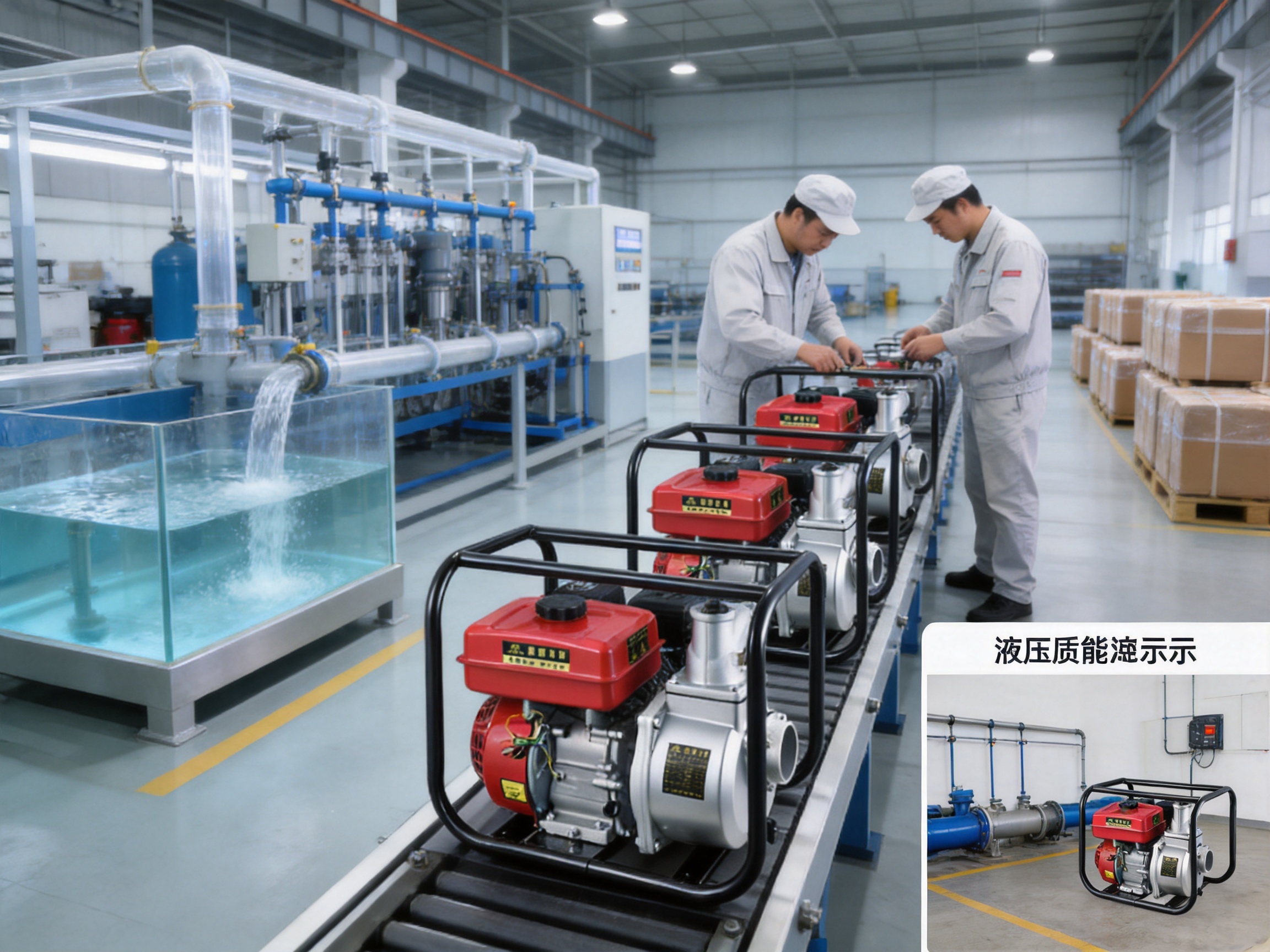
The manufacturer, Zhejiang ZhenTai Mechanical and Electrical Co., Ltd., is located in Wenling, Zhejiang Province, China, an area recognized for its manufacturing activity in pumps, motors, and mechanical equipment. Established in 2018, the company focuses on the research, development, and production of more than 90 products across 10 series.
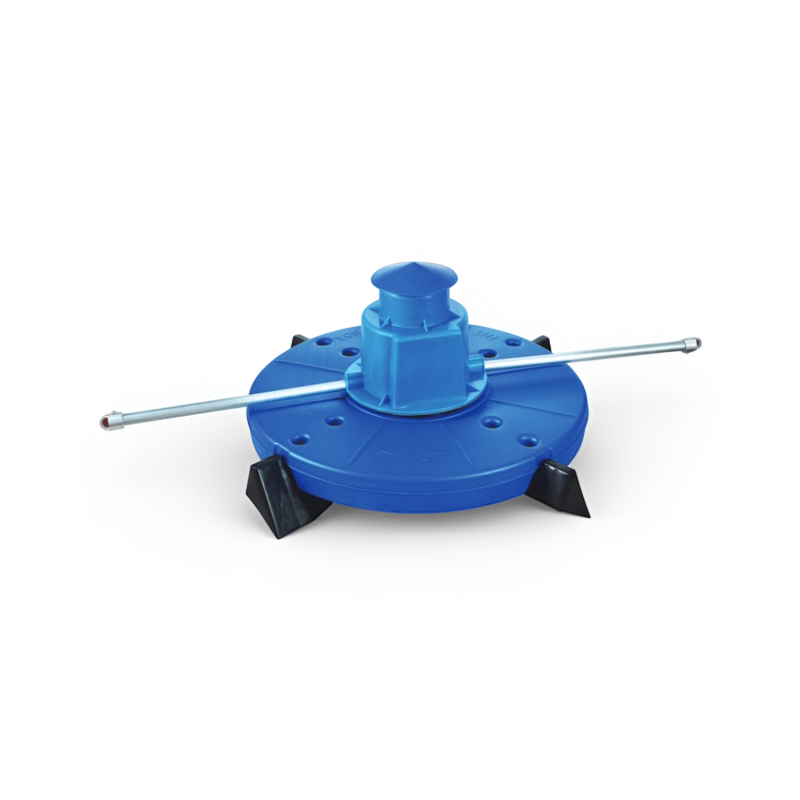
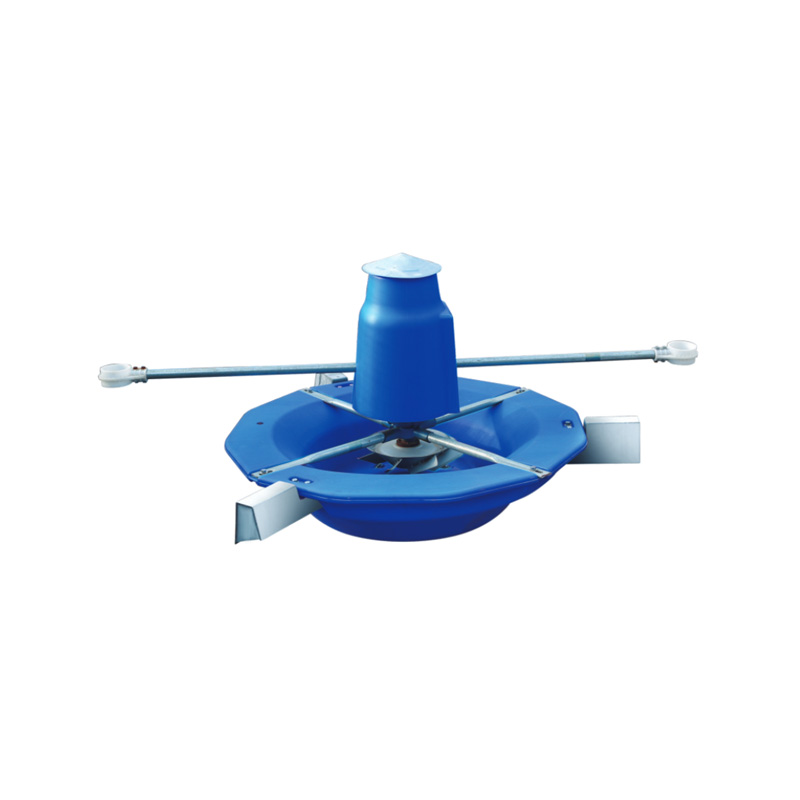
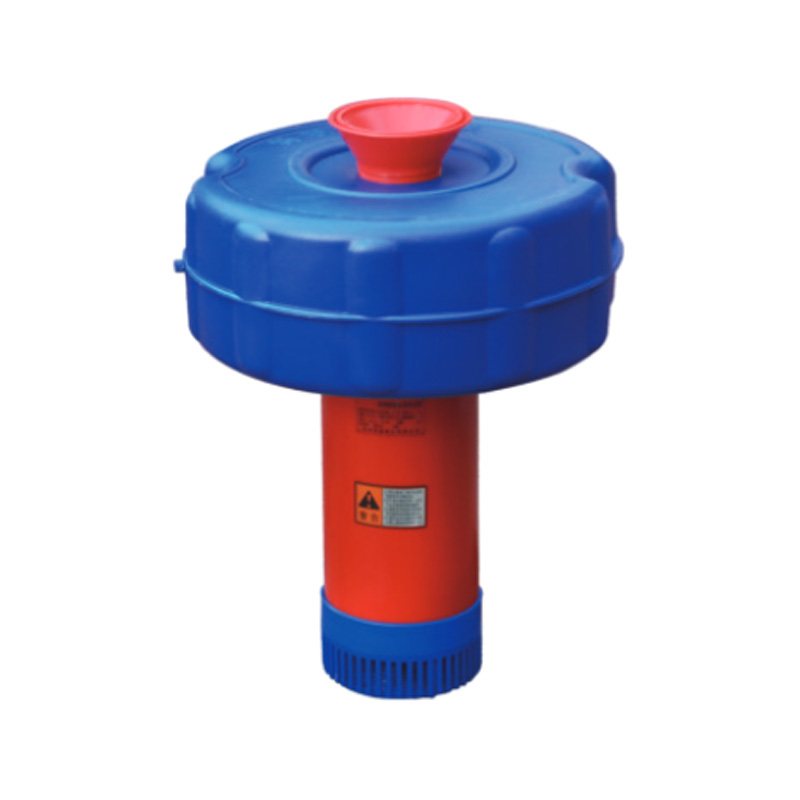
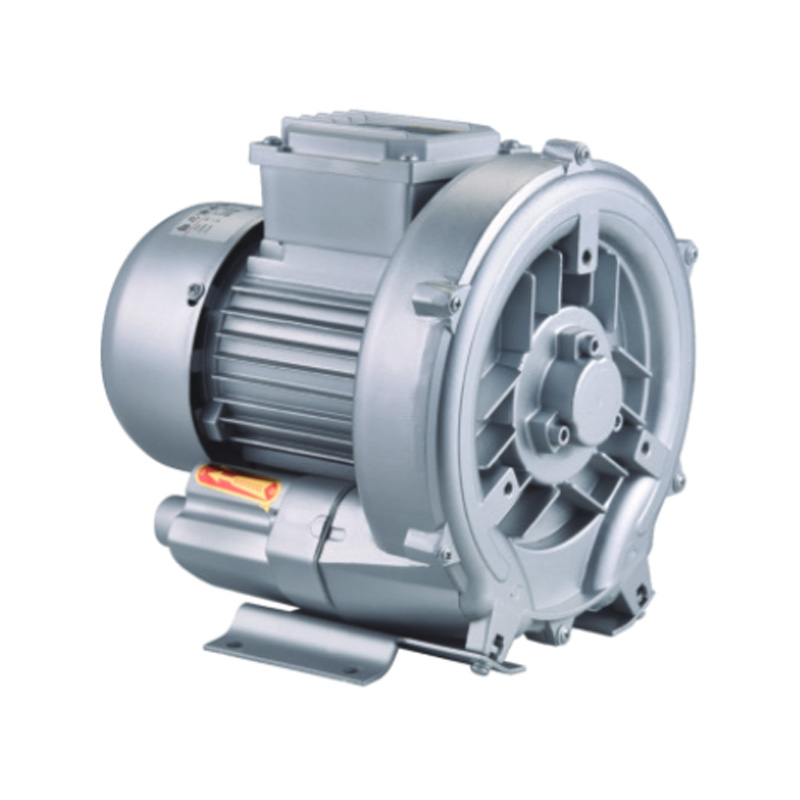
Its product scope includes floating aerators, impeller aerators, water wheel aerators, water pumps, submersible pumps, and air blowers. This broad product structure gives the company experience across multiple forms of water movement and aeration equipment. Such product diversity can support customers seeking coordinated equipment for aquaculture farms, irrigation systems, drainage projects, and ecological water management.
The company’s manufacturing strength is supported by a product-development approach that combines practical application knowledge with continuous technological improvement. For the DSU Series, fluid simulation optimization is used to guide hydraulic design. This indicates attention to internal water flow rather than relying solely on conventional mechanical layouts.
A modern pump manufacturing process normally involves several interconnected stages. Product requirements are first defined according to target flow, lift, connection size, operating speed, and application conditions. Engineers then develop the pump structure, impeller geometry, casing arrangement, frame design, and drive configuration. Computer-assisted design and fluid analysis can be used to evaluate the hydraulic passage before production tooling and components are finalized.
Component production follows with machining, forming, casting or molding where applicable, and surface treatment. Critical parts must be produced within appropriate dimensional tolerances so that the impeller, shaft, casing, seals, and bearings work together correctly. Proper alignment is particularly important because misalignment can increase vibration, wear, noise, and energy consumption.
Assembly is another important manufacturing stage. The motor, pump body, impeller, shaft, seals, frame, inlet connection, outlet connection, and protective components must be assembled in a controlled sequence. Fasteners should be tightened appropriately, rotating parts should be checked for free movement, and electrical connections should be inspected for security and insulation quality.
Testing helps verify that the completed product performs as intended. Typical pump evaluation may include visual inspection, leak checks, no-load operation, loaded operation, vibration observation, current or power measurement, flow verification, and head testing. The exact test procedures depend on the model, order requirements, and applicable technical standards. Buyers with specific quality requirements can discuss inspection plans and documentation with the manufacturer before production.
The company also emphasizes reliable products, professional technical support, quality, integrity, and continuous innovation. These strengths are important for international buyers because equipment value includes more than the initial purchase price. Documentation, spare parts, communication, customization, and after-sales assistance all influence the long-term success of a pump project.
OEM and ODM Capabilities
OEM and ODM services allow distributors, wholesalers, project contractors, and equipment brands to develop products that better match their markets. The manufacturer welcomes OEM and ODM cooperation for global buyers. Depending on the project, customization may involve product labeling, packaging, color, frame configuration, connection requirements, electrical specifications, control systems, accessories, or application-specific adjustments.
Customization should be discussed at the beginning of a project. Buyers should provide the intended water source, target flow, required head, operating duration, available voltage and frequency, ambient conditions, water quality, preferred connections, packaging requirements, and destination-market regulations. Clear technical information reduces the risk of selecting a configuration that does not match the actual installation.
For large orders, customers may also request pre-production samples, inspection procedures, spare-parts packages, operating manuals, nameplate information, and shipping documentation. A professional manufacturer can help coordinate these requirements and establish a repeatable process for future orders.
OEM and ODM cooperation is especially valuable for importers that need a complete product range. The company’s broader portfolio of aerators, blowers, submersible pumps, and water pumps allows buyers to source multiple types of aquaculture and water-management equipment from one manufacturing partner.
Installation Guidelines
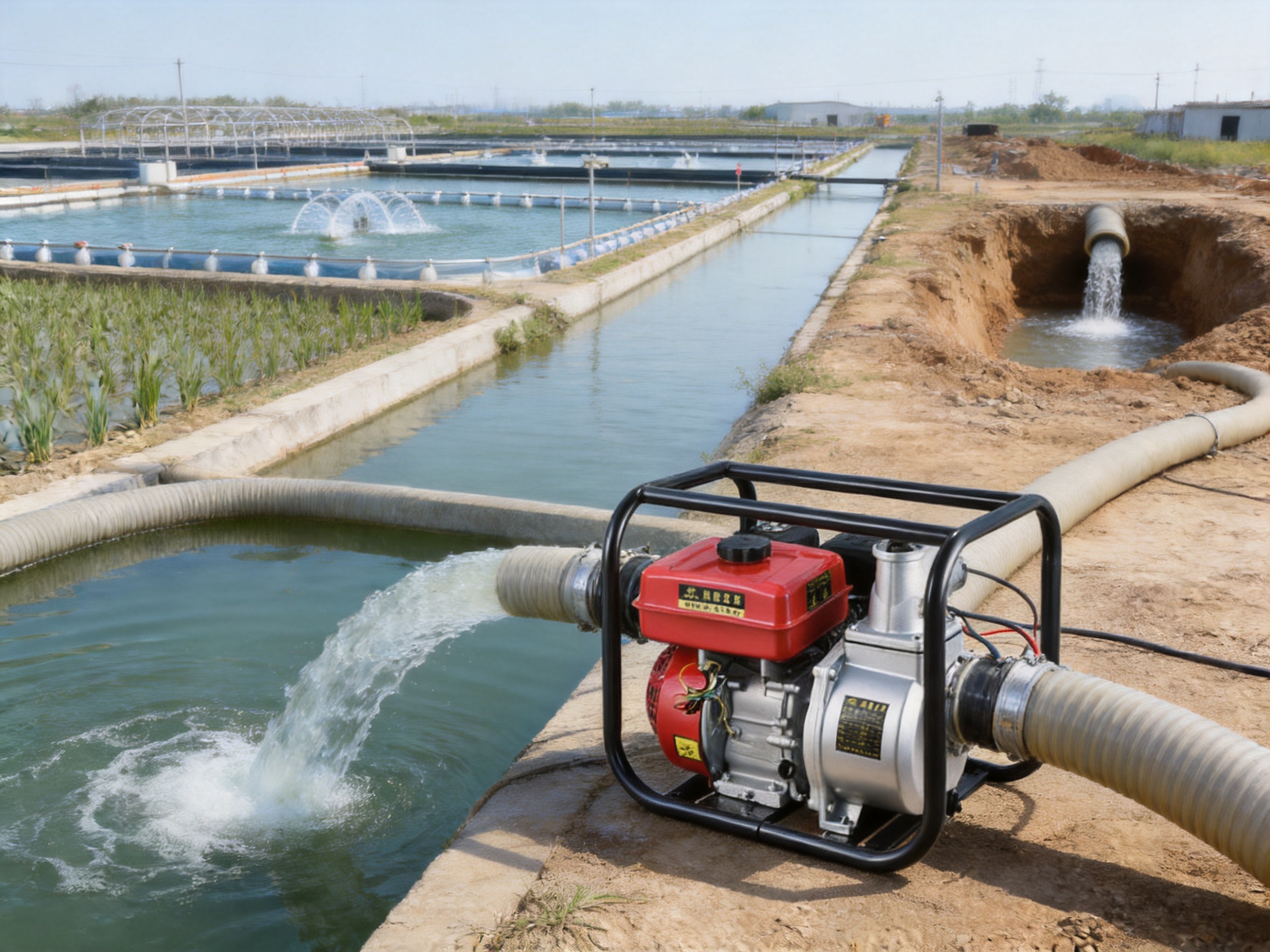
Before installation, inspect the pump, frame, inlet, outlet, cables, connectors, hoses, and accessories. Confirm that there is no visible damage from transportation. Read the operating instructions and verify that the electrical supply matches the product requirements confirmed at the time of purchase.
Place the pump on a stable, level surface with adequate ventilation and sufficient space for inspection. The low-center-of-gravity frame helps support stable placement, but the foundation should still be firm enough to resist movement and vibration.
Connect the inlet hose to the pump inlet using a suitable connector and seal. The inlet hose should be strong enough to resist collapse under suction. It should also be as short and straight as practical, because unnecessary bends and restrictions can reduce inlet performance.
Install a suitable strainer at the water source when the water may contain leaves, stones, algae, or other debris. The strainer should remain submerged at an appropriate depth but should not rest directly on mud or sediment. The inlet should not draw air through floating turbulence or a loose connection.
Connect the discharge hose to the outlet. Use a hose or pipe with a suitable pressure rating and internal diameter. Secure all clamps and couplings. A loose discharge connection can cause leakage, pressure loss, and unsafe movement during operation.
Where the design requires priming, fill the pump chamber according to the operating instructions before starting. Do not operate a pump dry unless the manufacturer specifically confirms that dry running is permitted. Dry operation can damage seals and internal components.
Check that all electrical connections are dry, protected, and correctly grounded. Use suitable overload protection and a properly rated switch or control panel. Electrical installation should be completed by qualified personnel, especially in wet environments.
Start the motor and observe the pump during the first minutes of operation. Check for abnormal vibration, unusual noise, leakage, unstable flow, overheating, or electrical odor. If any abnormal condition appears, stop the pump and identify the cause before continuing.
Maintenance and Service
Regular maintenance helps preserve performance and extend service life. After each use, inspect the inlet strainer and remove accumulated debris. If the water contains sediment, flush the water-side passages as appropriate and prevent deposits from hardening inside the casing.
Inspect hoses and couplings for cracks, deformation, leakage, or loose clamps. A damaged inlet hose can admit air and reduce pump performance. A damaged discharge hose can create water loss and increase the risk of uncontrolled movement.
Check the frame, fasteners, protective covers, and mounting points. Tighten loose hardware using appropriate tools, but avoid over-tightening components that may be damaged by excessive force.
Listen for changes in sound during operation. A new grinding, rattling, or high-pitched noise may indicate debris, bearing wear, impeller damage, misalignment, or cavitation. Early investigation can prevent more serious damage.
Inspect electrical cables and connectors for cuts, burns, moisture entry, or loose terminals. Disconnect the power supply before opening electrical covers or performing service. Do not operate the pump if insulation is damaged or if water has entered electrical components.
At the end of a seasonal operating period, clean and dry the pump before storage. Store it in a dry, protected location away from freezing conditions, corrosive chemicals, and direct weather exposure. Follow the supplier’s instructions for draining water and protecting seals during long-term storage.
How to Select the Correct Model
Model selection should begin with the required flow rate. Estimate how much water must be transferred within a specific period. If a pond, tank, or drainage area contains a known volume, divide that volume by the desired transfer time to determine the approximate flow requirement. Allow additional capacity for friction losses and changing field conditions.
Next, calculate total head. Total head includes the vertical distance from the water surface to the discharge point, plus friction losses in the pipe, hose, valves, elbows, filters, and other components. The WP-20 and WP-30 have a listed maximum lift of 35 meters, while the WP-40B has a listed maximum lift of 25 meters. The actual operating point should remain within a suitable performance range rather than operating continuously at the absolute maximum.
Consider connection size. A larger connection can support higher volume and reduce resistance, but it may require larger hoses, heavier fittings, and more installation space. The WP-20’s 2-inch connections are convenient for smaller systems. The WP-30’s 3-inch connections provide a medium option. The WP-40B’s 4-inch connections are intended for high-volume transfer.
Consider suction conditions as well. All three listed configurations have a maximum suction figure of 8 meters. This value should not be interpreted as a guarantee under every installation condition. Water temperature, atmospheric pressure, pipe friction, air leakage, elevation, and inlet restrictions can all influence practical suction performance.
Finally, verify the electrical requirements. Confirm voltage, frequency, phase, rated current, motor protection, starting method, cable size, and control equipment. This information should be obtained from the supplier for the exact order configuration, especially because the published product information includes power and engine-mode details that may require clarification for a particular market.
Operational Safety
Water and electricity create a potentially hazardous combination. Operators must keep electrical connections away from standing water and use suitable protection against electric shock. The pump should be connected through appropriate protection equipment, and the installation should comply with local electrical requirements.
Never touch electrical components with wet hands. Disconnect and isolate the power supply before performing maintenance, removing blockages, opening covers, or adjusting connections.
Do not place hands, tools, or clothing near moving parts while the pump is connected to power. Keep children and untrained personnel away from the operating area.
Do not pump liquids that are flammable, explosive, highly corrosive, or chemically incompatible with the pump materials unless the manufacturer has specifically approved the application. The product is intended primarily for water transfer, and unusual liquids require technical evaluation.
Do not allow the pump to operate without adequate water supply. Dry running can cause rapid wear or overheating. Monitor the water source during long-duration operation and stop the pump if the water level becomes too low.
Value for Professional Buyers
For professional buyers, the value of a pump includes operating cost, availability, serviceability, delivery reliability, and supplier communication. The electric design can help reduce fuel-related expenses and simplify routine operation. The model range supports different project sizes, while the manufacturer’s broader product portfolio may reduce the need to manage several unrelated suppliers.
The company’s location in Wenling, Zhejiang Province, provides access to a region with established mechanical and electrical manufacturing capabilities. Its product development experience across aerators, water pumps, submersible pumps, and air blowers allows it to address complete water-management requirements rather than focusing on one isolated product type.
International customers can also benefit from OEM and ODM support. Customized labeling, packaging, specifications, and accessories may help distributors create a product offering suited to their own sales channels. Technical support is important in this process because water pump performance is closely connected to installation conditions and end-user expectations.
Before ordering, buyers should request a complete technical confirmation covering the exact model, pump materials, motor configuration, power supply, performance curve if available, connection standards, packaging, warranty conditions, spare parts, and inspection requirements. Clear documentation helps ensure that the pump received is appropriate for the intended market and application.
Q&A
What type of equipment is the DSU Series High-Flow Electric Pump?
It is a high-flow water transfer pump powered by an electric motor. It is designed for applications such as irrigation, aquaculture, drainage, pond management, ecological water projects, and general clean-water transfer.
What models are available?
The listed models are WP-20, WP-30, and WP-40B. They use 2-inch, 3-inch, and 4-inch inlet and outlet connections respectively.
What is the maximum flow of each model?
The WP-20 has a listed maximum flow of 30 cubic meters per hour. The WP-30 has a listed maximum flow of 50 cubic meters per hour. The WP-40B has a listed maximum flow of 80 cubic meters per hour.
Which model provides the highest lift?
The WP-20 and WP-30 have a listed maximum lift of 35 meters. The WP-40B has a listed maximum lift of 25 meters and is focused more strongly on high-volume water transfer.
What is the maximum suction height?
The listed maximum suction figure for all three models is 8 meters. Actual suction performance depends on installation height, pipe conditions, water temperature, air leakage, atmospheric pressure, and inlet restrictions.
Is the pump suitable for continuous operation?
The pump is designed for stable, long-duration use when installed and operated correctly. Continuous operation should remain within the recommended performance range, and the motor, electrical system, water supply, and ventilation should be monitored.
Can it be used for aquaculture?
Yes. It can support pond filling, water exchange, circulation, drainage, and other water-management tasks in aquaculture. An appropriate inlet strainer should be used to prevent debris from entering the pump.
Can it handle wastewater or sewage?
The available product information describes the unit as a water pump and does not confirm specialized sewage or solids-handling capability. For wastewater containing large solids, abrasive sediment, or aggressive chemicals, buyers should obtain technical confirmation before use.
Does the pump produce exhaust emissions?
Electric operation produces no direct exhaust emissions at the point of use. The overall environmental impact depends partly on how the electricity is generated, but the operating location remains free from combustion exhaust.
Is the pump noisy?
The product is designed for low-noise operation compared with many fuel-powered alternatives. Actual noise depends on motor speed, hydraulic loading, foundation conditions, vibration, pipe arrangement, and the surrounding environment.
What should be checked before ordering?
Buyers should confirm the exact model, flow requirement, total head, connection size, electrical voltage, frequency, phase, motor configuration, operating environment, water quality, accessories, packaging, and documentation. The exact electrical configuration should be confirmed with the supplier for the intended market.
Does the manufacturer provide OEM and ODM services?
Yes. The manufacturer welcomes OEM and ODM cooperation for global buyers. Possible customization areas should be discussed according to the project, order quantity, target market, and technical requirements.
What other equipment does the manufacturer produce?
The company produces more than 90 products across 10 series, including floating aerators, impeller aerators, water wheel aerators, water pumps, submersible pumps, and air blowers.
How should the pump be stored?
Clean and dry the pump, remove water as instructed, protect the electrical components, and store the unit in a dry location away from freezing conditions, corrosive substances, and direct weather exposure.
Conclusion
The DSU Series High-Flow Electric Pump provides a practical solution for users who need dependable water transfer with fuel-free operation, fast startup, low noise, zero direct emissions, and stable performance. Its high-efficiency impeller and fluid simulation optimization support a balanced approach to flow and lift, while the low-center-of-gravity frame improves placement stability and handling convenience.
The three listed configurations cover a useful range of applications. The WP-20 offers a compact 2-inch option with a maximum listed flow of 30 cubic meters per hour and a maximum lift of 35 meters. The WP-30 increases capacity to 50 cubic meters per hour while retaining a listed 35-meter maximum lift. The WP-40B uses a 4-inch connection and provides up to 80 cubic meters per hour for high-volume, lower-lift transfer requirements.
These characteristics make the series suitable for aquaculture, irrigation, drainage, ecological landscapes, construction support, and general water-management projects. Correct model selection, suitable piping, secure electrical installation, proper inlet protection, and regular maintenance are essential for achieving reliable results.
Behind the product is a manufacturer with experience in mechanical and electrical equipment, a portfolio of more than 90 products across 10 series, and capabilities that include research and development, hydraulic design, OEM and ODM services, production, and technical support. For distributors, contractors, farms, and international buyers, this combination of product range and manufacturing support can provide a strong foundation for long-term cooperation.
When purchasing, customers should confirm the exact electrical and hydraulic configuration for their project and request the technical documentation necessary for safe installation and operation. With appropriate selection and professional use, the DSU Series can contribute to cleaner, quieter, and more efficient water transfer across a wide range of working environments.
References
1. Product specification information for the DSU Series High-Flow Electric Pump, including WP-20, WP-30, and WP-40B model data.
2. Manufacturer-provided product description covering electric drive operation, high-efficiency impeller design, fluid simulation optimization, low-center-of-gravity construction, low noise, and zero direct emissions.
3. Manufacturer company profile for Zhejiang ZhenTai Mechanical and Electrical Co., Ltd., including company history, product range, manufacturing location, and OEM/ODM capabilities.
4. General principles of centrifugal pump selection, including flow rate, total head, suction conditions, friction loss, pipe sizing, and installation requirements.
5. General electrical safety practices for motor-driven pumping equipment used in wet and outdoor environments.
6. General maintenance practices for portable water pumps, including inlet screening, hose inspection, electrical inspection, storage, and blockage prevention.