 English
 Español
 Indonesia
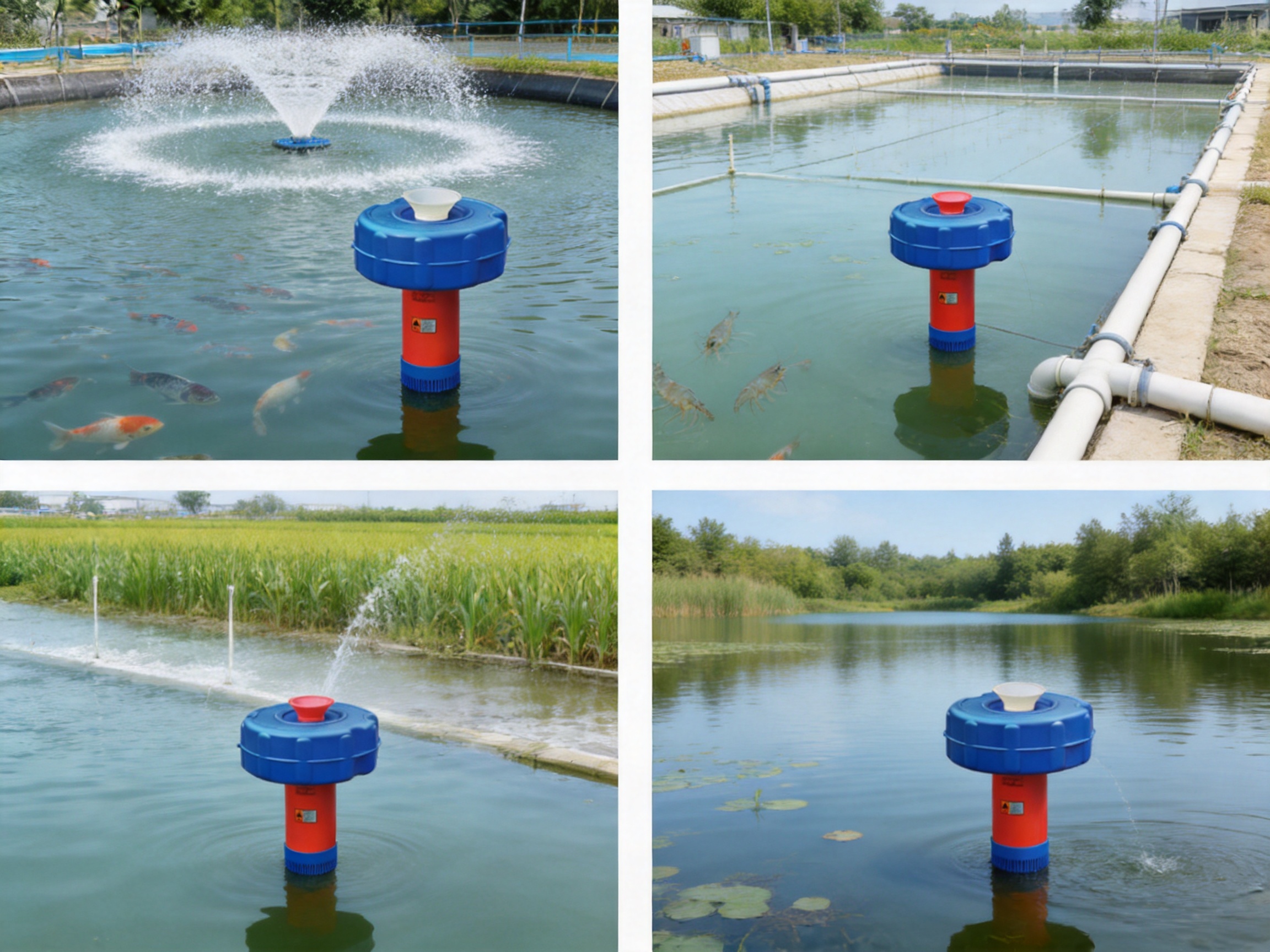
Reliable water movement is essential in aquaculture ponds, fish farms, shrimp culture facilities, irrigation reservoirs, ecological lakes, and drainage projects. When water remains stagnant, dissolved oxygen can decline, organic matter can accumulate, and temperature and water quality may become uneven. Conventional fixed pumps can solve part of the problem, but they often require a prepared foundation, a submerged intake, additional pipework, or frequent maintenance when sediment enters the suction system.
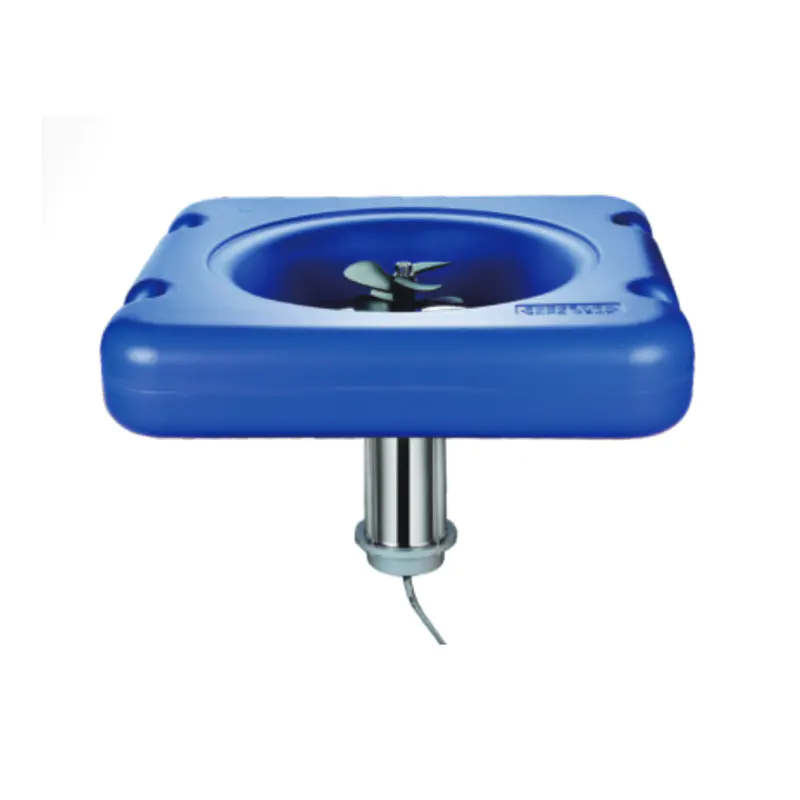
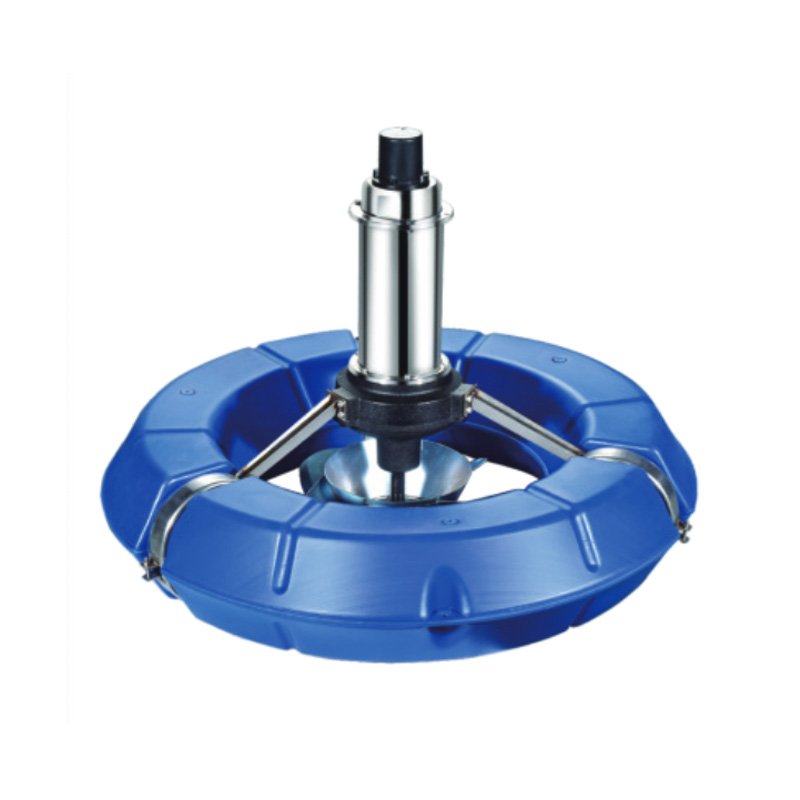
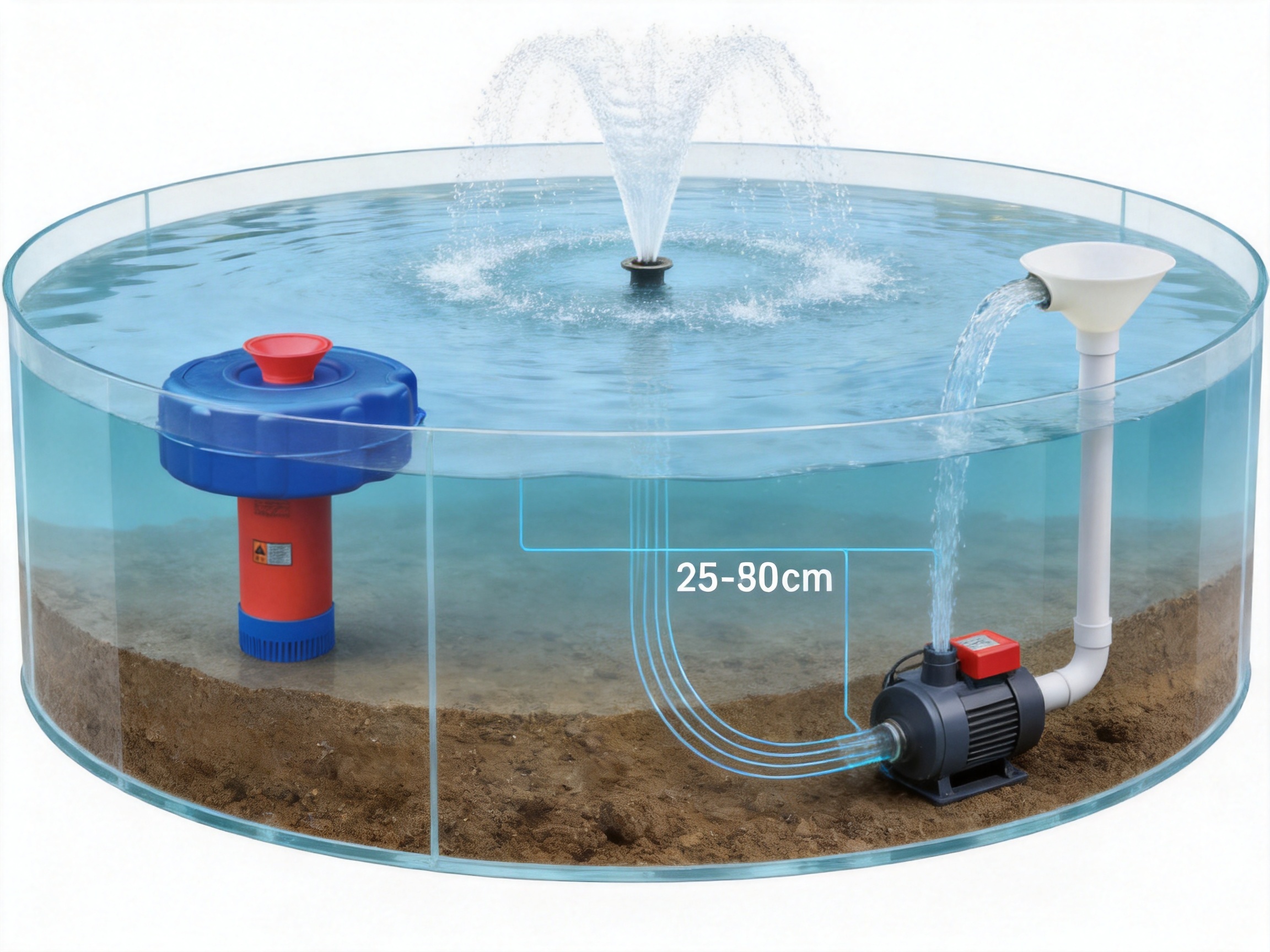
The floating fountain water pump presented in this article combines surface water intake, water circulation, and aeration in one electrically powered unit. It operates directly on the water surface, follows changes in water level, and draws water from approximately 25 to 50 centimeters below the surface. This arrangement helps limit contact with heavy bottom sediment and silt while supporting stable pumping performance.
Designed for customers in aquaculture, agricultural irrigation, environmental engineering, and water management, the unit provides a practical alternative to conventional submersible pumps and fixed floating installations. Available in several power, voltage, head, flow, and outlet configurations, it can be matched to different pond sizes and operating requirements.
Understanding the Floating Fountain Water Pump
A floating fountain water pump is a surface-mounted pumping device supported by a buoyant structure. Instead of being installed on a concrete base or lowered to the bottom of a pond, the complete pumping assembly floats on the water. The inlet remains below the surface, allowing the pump to draw relatively clean surface-layer water while the float adjusts naturally as the water level rises or falls.
The product is particularly suitable where the water source has variable levels or where building a fixed pump foundation would be inconvenient. It can be placed directly on the water, connected to the appropriate power supply, and operated without a complicated installation sequence. The floating structure also helps maintain a consistent relationship between the pump and the water surface.
Although it is described as a fountain aerator water pump, its function is broader than simple decorative water display. The pump can support surface circulation, oxygen transfer, water movement, irrigation, and drainage. Depending on the selected model and piping arrangement, the discharge may be directed through a fountain outlet, circulation line, irrigation pipeline, or drainage hose.
The system is electricity powered and is available in both single-phase and three-phase configurations. This allows users to choose a model that matches the electrical infrastructure available at a small farm, commercial aquaculture facility, industrial site, or municipal water project.
How Surface Floating Operation Works
The floating unit is positioned on the water surface using a buoyant support structure. Its inlet is located approximately 25 to 50 centimeters below the water surface. This depth is sufficient to keep the inlet submerged during normal operation while avoiding direct suction from the pond bottom.
As the water level changes, the floating pump moves vertically with the water. A fixed pump may lose suction efficiency when the water level drops, while a floating pump maintains its operating position without requiring manual adjustment. This is especially useful in irrigation reservoirs and seasonal ponds where the water level changes throughout the year.
During operation, the motor drives the pump assembly and moves water through the discharge outlet. When the outlet is arranged above the water surface, the discharge can create a fountain-like spray that improves air-water contact. When connected to a pipe, the same basic pumping unit can transfer water to another area for irrigation, circulation, or drainage.
The surface intake also provides an operational advantage in water bodies containing silt. Heavy particles tend to settle at the bottom, and a floating inlet positioned above that layer is less likely to draw large quantities of sediment into the pump. This does not mean the pump is immune to blockage, and users should still remove floating debris and inspect the inlet periodically. However, the design can reduce the sediment burden compared with a pump installed directly near the pond floor.
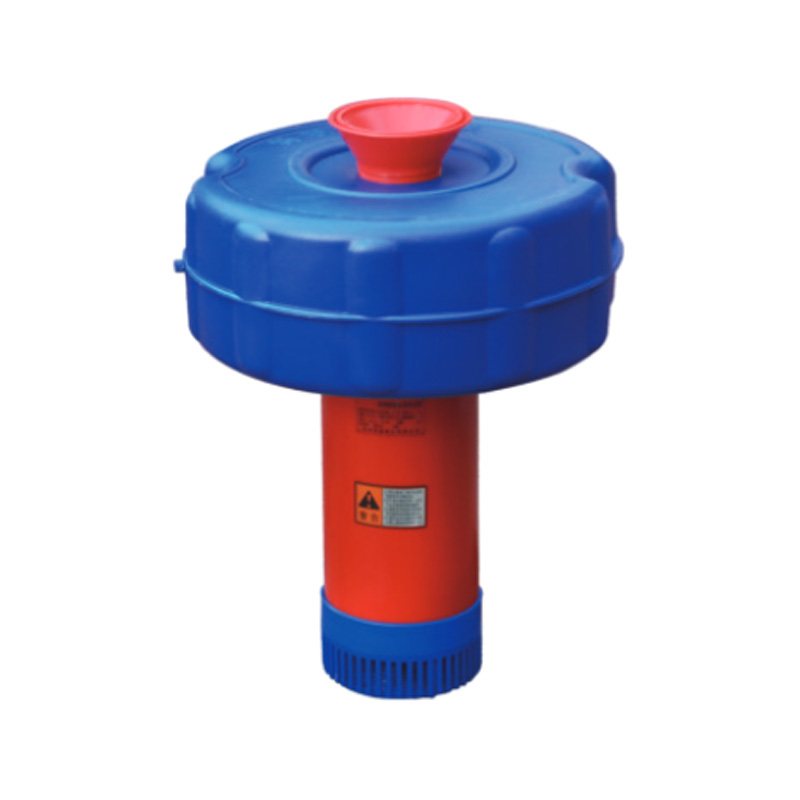
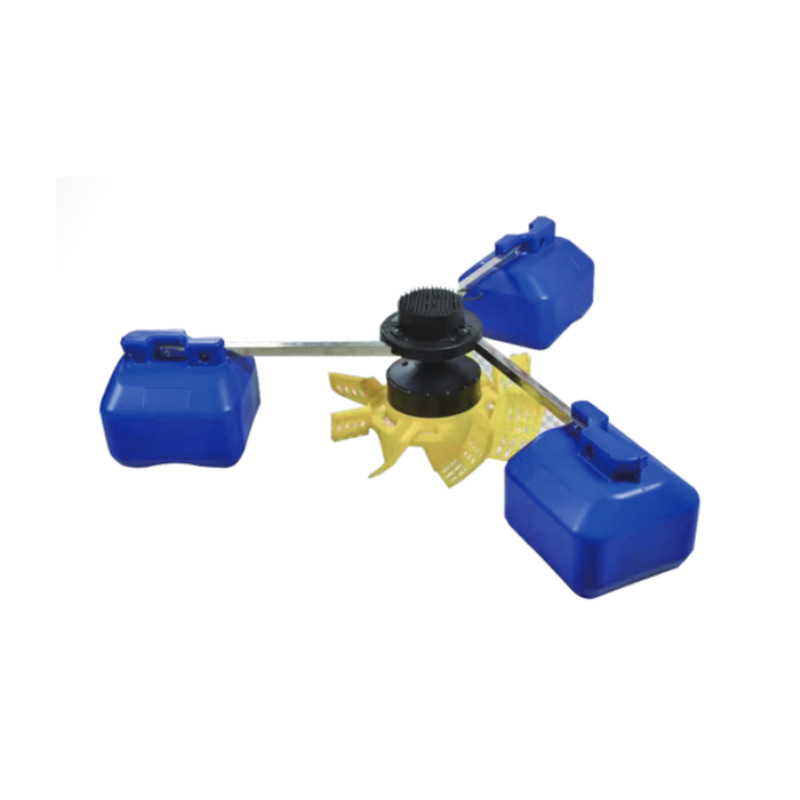
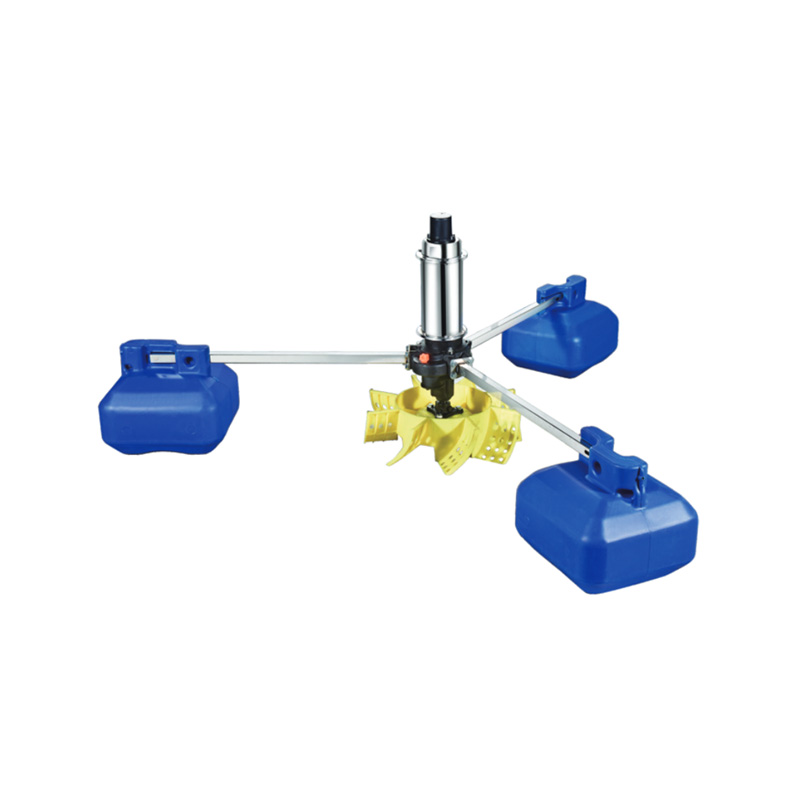
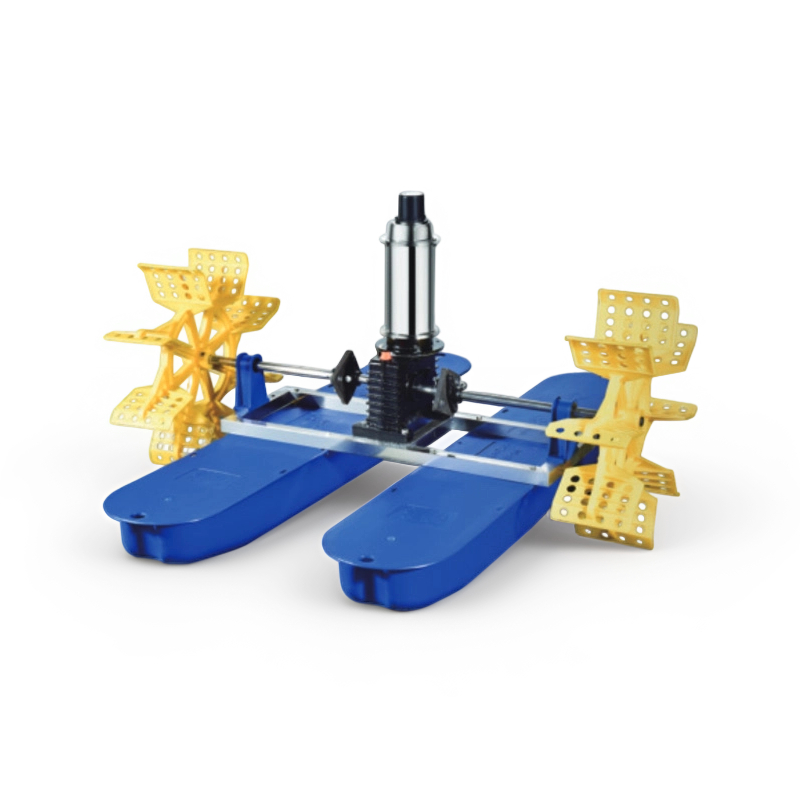
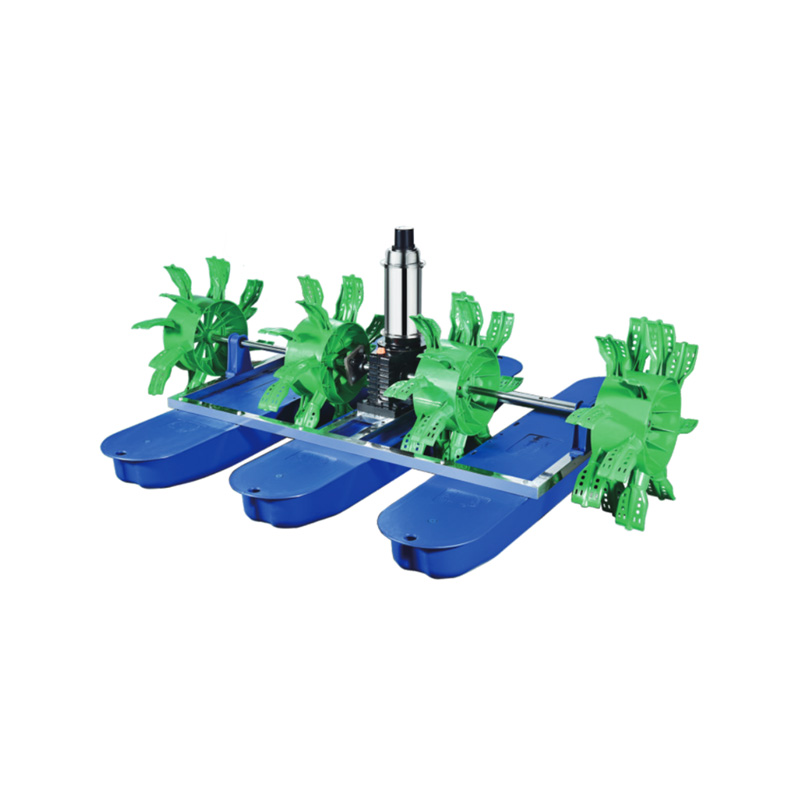
Floating Aerator Fountain Water Pump
Key Advantages Compared with Conventional Pumping Equipment
Reduced Exposure to Bottom Sediment
One of the main advantages of the floating arrangement is the separation between the water inlet and the pond bottom. Traditional bottom-mounted or deeply submerged pumps may draw mud, sand, organic deposits, and settled solids into the impeller. Over time, this can contribute to abrasion, blockage, reduced flow, or additional cleaning work.
The floating pump takes water from the surface layer instead of the sediment-rich bottom layer. This can improve operating stability in ponds, reservoirs, and drainage areas where suspended solids are present. The benefit is especially relevant to aquaculture operators who need regular circulation but want to limit unnecessary disturbance of the pond floor.
No Permanent Foundation Required
A fixed water pump often needs a concrete base, support frame, intake structure, or protected pump house. These requirements increase installation time and may be unsuitable for temporary ponds, rental farmland, emergency drainage sites, or locations where construction is restricted.
The floating pump does not require a permanent foundation. The operator can place it on the water surface and connect the discharge and power systems. This reduces civil engineering work and makes relocation easier when the water source or pumping point changes.
Automatic Adaptation to Water-Level Changes
Because the pump floats, it rises and falls with the water. This natural adjustment helps keep the intake submerged and reduces the need for frequent repositioning. In an irrigation pond that is gradually depleted, or in a reservoir affected by rainfall, the floating structure maintains a practical intake depth across changing conditions.
This feature also supports more consistent operation than a rigid intake pipe that may become exposed, draw excessive sediment, or lose its preferred position when the water level changes.
Simple Installation and Flexible Use
The basic installation process is straightforward. The unit is placed on the surface, the discharge connection is arranged, and the power supply is connected according to the selected voltage configuration. No additional foot valve or complex foundation system is required for the basic floating operation described for this product.
The same equipment can serve different purposes. In a fish pond, it can support aeration and circulation. In a shrimp farm, it can help distribute oxygenated water. In an agricultural reservoir, it can transfer water into an irrigation line. In an ecological lake, it can improve surface movement and visual water activity. In a drainage project, it can assist in removing water from a low-lying area.
Combined Pumping and Aeration Potential
Water discharged above the surface has increased contact with air. A fountain spray, splash pattern, or open discharge can promote oxygen transfer and improve circulation near the surface. While actual oxygen-transfer performance depends on water temperature, spray design, flow, pond depth, and operating conditions, the pumping action can provide more than simple water transfer.
For aquaculture users, this combination may reduce the need to install separate circulation equipment in certain applications. The pump does not replace all specialized aeration systems, particularly where high oxygen transfer or deep-water mixing is required, but it offers a useful multifunctional option for routine pond management.
Rainproof Outdoor Design
The product is designed for outdoor operation and includes a rainproof design characteristic. This is important because floating equipment is exposed to changing weather conditions, splashing water, and humid environments. Correct electrical protection, grounding, cable management, and installation remain essential, but the rainproof construction supports practical use in open ponds and reservoirs.
Users should always confirm the local electrical requirements and ensure that connections, control devices, and extension systems are properly protected. Rainproof does not mean that every electrical component can be submerged or operated without suitable safety measures.
Performance Range and Model Selection
The product range includes models with rated power from 750 to 2,800 watts, head values from 6 to 7 meters, flow rates from 25 to 100 cubic meters per hour, and outlet sizes from 80 to 150 millimeters. Both 220-volt single-phase and 380-volt three-phase versions are listed for several models.
The values below are presented according to the supplied product information. The power figures are expressed in watts because the listed numerical values, such as 750, 1,100, 1,500, 2,200, and 2,800, correspond to typical watt-based motor ratings. Buyers should confirm the final nameplate specification, electrical frequency, current, and performance curve before placing an order.
| Model | Rated Power | Voltage | Head | Flow | Caliber |
|---|---|---|---|---|---|
| ZT2800-6-100 | 2,800 W | 380 V, three-phase | 6 m | 100 m³/h | 150 mm, 6 inch |
| ZT2800-6-100 | 2,800 W | 220 V, single-phase | 6 m | 100 m³/h | 150 mm, 6 inch |
| ZT2200-6-55 | 2,200 W | 380 V, three-phase | 6 m | 55 m³/h | 100 mm, 4 inch |
| ZT2200-6-55 | 2,200 W | 220 V, single-phase | 6 m | 55 m³/h | 100 mm, 4 inch |
| ZT1500-6-40 | 1,500 W | 220 V, single-phase | 6 m | 40 m³/h | 80 mm, 3 inch |
| ZT1500-6-40 | 1,500 W | 380 V, three-phase | 6 m | 40 m³/h | 80 mm, 3 inch |
| ZT1100-7-30 | 1,100 W | 380 V, three-phase | 7 m | 30 m³/h | 80 mm, 3 inch |
| ZT1100-7-30 | 1,100 W | 220 V, single-phase | 7 m | 30 m³/h | 80 mm, 3 inch |
| ZT750-7-25 | 750 W | 380 V, three-phase | 7 m | 25 m³/h | 80 mm, 3 inch |
| ZT750-7-25 | 750 W | 220 V, single-phase | 7 m | 25 m³/h | 80 mm, 3 inch |
Choosing by Flow Rate
Flow rate indicates the volume of water the pump can move over a given period. A 25 cubic meter per hour model may be appropriate for smaller ponds, moderate circulation, or applications where electrical consumption must remain limited. Models rated at 40 or 55 cubic meters per hour offer greater circulation capacity for medium-sized systems.
The 100 cubic meter per hour model is intended for higher-volume applications, larger ponds, and projects requiring rapid water movement. Actual delivered flow will depend on pipe length, elbows, valves, elevation, outlet restrictions, and water conditions. The stated flow should therefore be treated as a reference rating rather than a guarantee of identical performance in every installation.
Choosing by Head
Head refers to the pressure or elevation capability of the pump. The listed models provide a head of 6 or 7 meters. A higher head requirement generally reduces the flow available at the discharge point, especially when the system includes long pipelines or significant elevation differences.
Customers should calculate the total dynamic head before selecting a model. This calculation should include vertical lift, pipe friction, fittings, valves, and the pressure required by the final outlet. Selecting a pump based only on free-flow capacity can lead to disappointing performance if the actual installation has substantial resistance.
Choosing by Electrical Supply
Single-phase 220-volt models are convenient for smaller farms, household-adjacent projects, and locations where three-phase power is unavailable. Three-phase 380-volt versions are often suitable for commercial facilities and industrial sites with a three-phase electrical system.
The voltage choice must match the available supply. Operators should not connect a 220-volt model to a 380-volt source or make unauthorized wiring changes. A qualified electrician should confirm voltage, frequency, overload protection, grounding, cable sizing, and control equipment before commissioning.
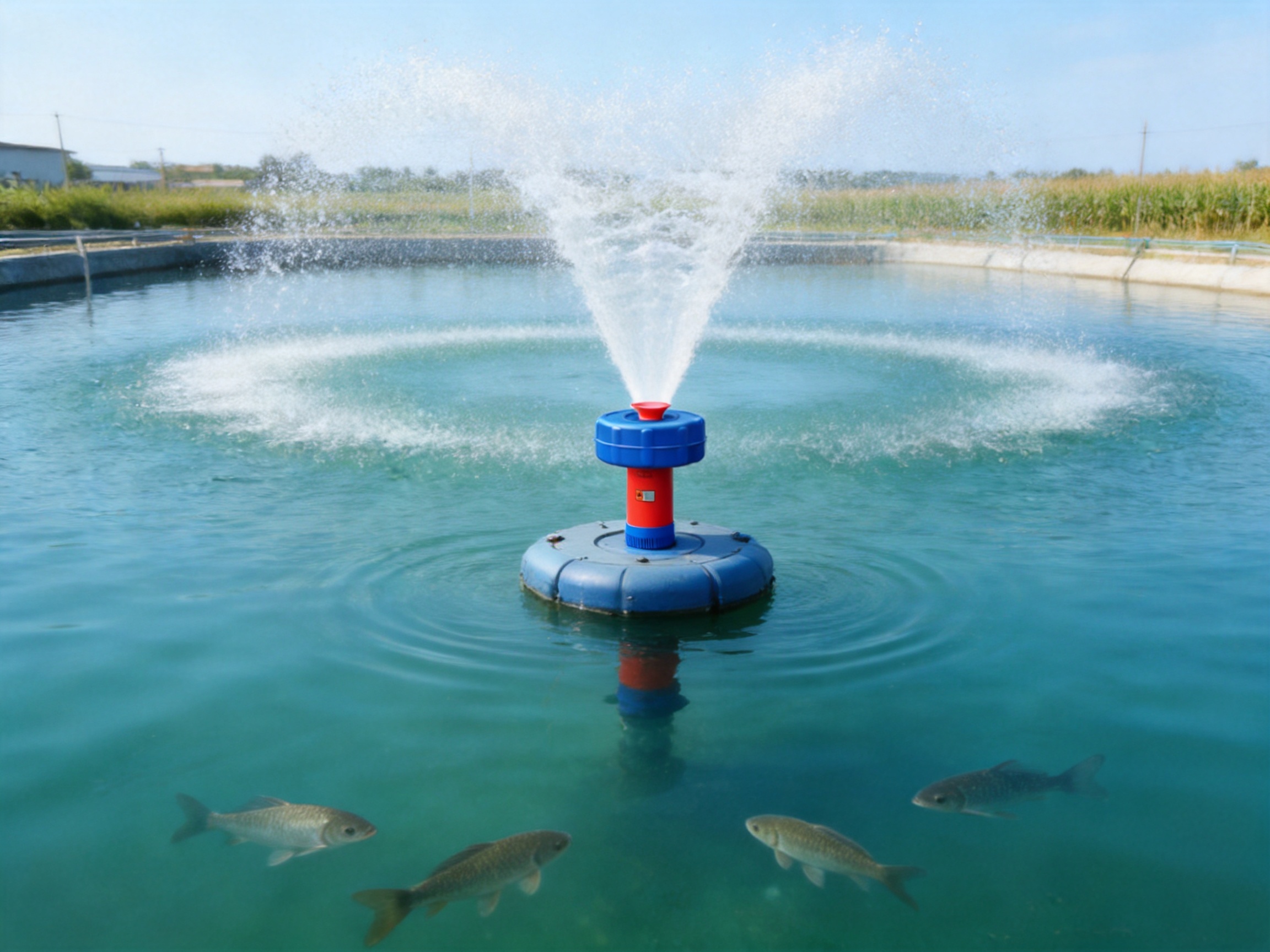
Applications in Aquaculture and Water Management
Fish Pond Aeration
Fish require sufficient dissolved oxygen for feeding, growth, metabolism, and stress reduction. In densely stocked ponds, oxygen demand can increase quickly during hot weather, cloudy periods, algal die-off, or nighttime hours. Surface circulation from a floating pump can help move water and promote contact between the water and atmosphere.
The unit can be positioned where water movement is most beneficial, while the floating design allows the intake to remain near the surface. Operators may use the discharge to produce a visible fountain, a directional flow, or a circulation pattern selected for the pond layout.
Because every aquaculture site is different, users should monitor dissolved oxygen rather than relying only on visual water movement. Fish species, stocking density, feed volume, pond depth, weather, and organic loading all affect aeration requirements. The floating fountain pump is a practical circulation and aeration component, but a complete pond oxygen-management plan may require additional equipment.
Shrimp Farming
Shrimp ponds benefit from consistent circulation because water movement can support oxygen distribution and reduce stagnant areas. A floating pump can be used in pond zones where surface movement is needed, particularly when the operator wants to avoid disturbing bottom sludge unnecessarily.
The 80-millimeter outlet models provide a compact option for smaller systems, while the 100-millimeter and 150-millimeter configurations can support higher flow requirements. Operators should consider salinity, corrosion exposure, biological fouling, and cleaning procedures when using any mechanical equipment in shrimp culture.
Reservoir and Irrigation Water Transfer
In agricultural irrigation, water levels may vary significantly during the growing season. A floating intake follows the water level and can reduce the need to repeatedly adjust a fixed suction line. The discharge may be connected to an irrigation pipeline, storage tank, sprinkler system, or open channel, provided the total head and flow requirements are compatible with the selected model.
The floating design is also useful in temporary reservoirs and farm ponds where a permanent pump station would not be economical. When the irrigation season ends, the unit can be removed, inspected, and stored according to the maintenance instructions.
Ecological Lakes and Landscape Water Features
Landscape lakes and ecological water bodies often require water movement for both appearance and environmental management. A fountain-style discharge can create a visible water feature while improving surface circulation. The equipment can be used in parks, private estates, ecological demonstration areas, and commercial landscape projects.
The selection of spray pattern, pipe arrangement, and operating schedule should reflect the intended visual effect and water-management objective. For decorative applications, noise, spray height, splash control, and nearby electrical safety should also be considered.
Drainage and Flood-Control Support
In low-lying areas, construction sites, agricultural land, and emergency water-removal projects, a portable floating pump can provide a rapid pumping option. Its lack of foundation requirements allows it to be deployed where water has accumulated and fixed equipment is unavailable.
Users should evaluate the presence of stones, large debris, mud, chemical contaminants, and abrasive particles before using the pump for drainage. The product is designed to resist the effects of sediment and silt better than many bottom-intake arrangements, but extreme solids loading can still damage pumping components.
Manufacturing Strengths and Engineering Approach
The manufacturer, Zhejiang ZhenTai Mechanical and Electrical Co., Ltd., is based in Wenling, Zhejiang Province, China, and was established in 2018. The company develops and produces more than 90 products across 10 product series. Its portfolio includes floating aerators, impeller aerators, water wheel aerators, water pumps, submersible pumps, and air blowers.
This product breadth is important because a manufacturer working across multiple aeration and pumping categories can develop broader knowledge of motor systems, water movement, impeller design, electrical configurations, float structures, and application requirements. Such experience supports product selection for customers whose projects require more than one type of water-treatment or water-transfer equipment.
Product Development and Application-Based Design
The floating pump reflects an application-based design philosophy. Instead of treating the pump as an isolated motor and impeller, the product considers the complete operating environment: variable water levels, sediment exposure, outdoor weather, installation limitations, and the need for both circulation and water transfer.
Development work for this kind of product normally involves coordinating the hydraulic assembly, motor, float, inlet position, outlet connection, electrical protection, and structural balance. The result must remain stable on the water surface while maintaining a submerged intake and providing enough buoyancy for the selected power configuration.
The company’s stated focus on research, development, technological innovation, and customized OEM/ODM services gives international buyers an opportunity to discuss project-specific adaptations. Possible customization topics may include electrical standards, cable length, outlet arrangement, float configuration, packaging, labeling, and application documentation, subject to technical review and production feasibility.
Hydraulic and Mechanical Assembly
A reliable pump depends on the coordination of multiple mechanical parts. The pump body must guide water efficiently, the impeller must deliver the intended flow, and the shaft and bearings must operate smoothly under the selected load. Sealing areas must limit water entry into protected motor sections, while the float must support the equipment without excessive tilt or instability.
Manufacturing quality is therefore not determined by motor power alone. Dimensional consistency, correct component matching, secure fastening, balanced assembly, and inspection of water-contact parts all influence service life. A structured production process helps ensure that units within the same model family have consistent performance and installation dimensions.
Motor and Electrical Integration
Both single-phase and three-phase configurations are offered for several models. This requires careful electrical integration because the motor winding arrangement, starting characteristics, protection requirements, and operating current vary according to voltage and phase configuration.
For export customers, electrical compatibility is a major part of product preparation. The order should identify the destination voltage, frequency, plug or terminal requirements, control method, cable specifications, and local safety expectations. Clear model identification and nameplate information help installers select the correct equipment and reduce commissioning errors.
Float and Outdoor Construction
The float is a central structural element rather than a simple accessory. It must provide sufficient buoyancy, support the operating load, and maintain a stable position while the pump starts, stops, and changes flow conditions. The design must also tolerate regular exposure to water, sunlight, humidity, and splashing.
The rainproof design supports outdoor use, while the sediment-resistant operating concept helps protect the pump from some of the problems associated with bottom intake. Correct storage, cleaning, and inspection remain important because no floating structure is maintenance-free.
Production Scale and Supply Capability
A manufacturer with more than 90 products across 10 series can serve customers with different equipment requirements from a broader product base. This is valuable for distributors, engineering contractors, and aquaculture equipment wholesalers who may want to source floating aerators, air blowers, submersible pumps, and water pumps through one supplier.
Product range can also support spare-parts planning, technical communication, and project standardization. Instead of combining unrelated equipment from multiple sources, a buyer may be able to coordinate several water-management products with one experienced manufacturer. The suitability of this approach should be confirmed through technical drawings, test information, warranty terms, and commercial documentation for each order.
Quality, Inspection, and Customer Support Considerations
Quality control for a floating water pump should cover materials, electrical components, assembly, waterproofing, buoyancy, mechanical operation, and hydraulic performance. Before shipment, buyers should request appropriate inspection records or agree on a pre-shipment inspection process that reflects the order requirements.
Recommended Factory Inspection Points
Important checks may include verification of the model and rated power, voltage and phase configuration, cable condition, terminal protection, fastener security, float stability, inlet position, outlet dimensions, motor operation, unusual vibration, water leakage, and visible damage.
Where testing facilities are available, flow and head performance can be assessed under controlled conditions. The results may not exactly duplicate the buyer’s field installation, but they provide useful confirmation that the unit corresponds to the ordered model.
Technical Documentation
International buyers should receive clear product identification and operating information. Useful documents include a specification sheet, wiring information, installation instructions, maintenance recommendations, packing list, spare-parts information, and safety guidance.
For OEM or ODM projects, documentation should identify the approved design, label information, electrical ratings, packaging requirements, and any agreed changes. Clear communication at the order stage reduces the possibility of receiving a unit that is mechanically suitable but electrically incompatible with the destination market.
After-Sales Technical Assistance
Floating pumps are relatively simple to deploy, but users may still need support with model selection, pipe sizing, electrical installation, maintenance, and troubleshooting. The manufacturer emphasizes professional technical support for customers worldwide, which is valuable for distributors and contractors serving multiple end users.
A useful support process should help customers distinguish between hydraulic problems, electrical problems, blocked intakes, pipe restrictions, insufficient water depth, and incorrect installation. Technical support is most effective when the buyer can provide the model, voltage, operating symptoms, water conditions, pipe layout, and photographs of the installation.
Installation Guidelines
Before installation, inspect the pump, float, inlet, outlet, cable, and accessories for visible damage. Confirm that the water depth is sufficient to keep the intake submerged and that the operating area is free from large floating objects, ropes, branches, and other materials that could interfere with the float or inlet.
Place the unit carefully on the water surface. Arrange the discharge line so that it does not pull the pump sideways or create excessive mechanical stress. If anchoring is required to maintain position, use a method that allows normal vertical movement with changing water levels. The anchor should not force the pump underwater or restrict the floating structure.
Connect the power supply through suitable protection equipment. A qualified electrician should verify grounding, overload protection, residual-current protection where required, cable sizing, and weatherproof connections. The power should remain disconnected during inspection, cleaning, or adjustment.
Before continuous operation, perform a short test run. Confirm that the pump remains stable, the inlet is submerged, water flows freely, and there is no abnormal noise, vibration, overheating, or electrical odor. Check that the discharge does not create dangerous splash conditions or erode the pond bank.
Do not operate the pump dry unless the manufacturer’s instructions specifically permit it. Dry operation may damage seals, bearings, or other components. If the water level falls below the required operating depth, switch off the pump and reposition or protect the equipment according to the operating instructions.
Maintenance and Service Practices
Routine maintenance begins with regular visual inspection. Check the inlet for weeds, plastic, algae, roots, and other debris. Inspect the float for damage or loss of buoyancy. Examine the discharge connection, cable, fasteners, and anchoring arrangement for wear or looseness.
In sediment-rich water, inspection may need to be more frequent. Although the floating intake reduces exposure to bottom sludge, suspended solids can still enter the pump. If flow decreases or the motor sounds different, disconnect the power before inspecting the inlet and discharge path.
Clean the external surfaces with appropriate methods and avoid damaging seals, cable jackets, or protective coatings. Do not use aggressive chemicals unless they are confirmed to be compatible with the pump materials. In aquaculture operations, cleaning procedures should also consider biosecurity and the risk of transferring organisms between ponds.
At the end of a seasonal operating period, remove the unit if practical, rinse it with suitable clean water, inspect it, and store it in a dry protected location. Protect the cable from sharp bends, rodents, sunlight, and mechanical damage. A documented maintenance schedule can help commercial operators reduce unexpected downtime.
Why It Is a Strong Choice for Wholesalers and Project Buyers
Wholesalers often need products that can serve several customer segments without creating an excessively complicated inventory. This floating aerator water pump addresses aquaculture, irrigation, landscape water features, drainage, and general circulation. Its model range covers multiple flow levels and both common electrical configurations.
The product’s combination of pumping and aeration potential gives distributors a clear application story. It can be marketed not only as a pump but also as a surface circulation solution for fish ponds, shrimp farms, ecological lakes, and water reservoirs. The no-foundation installation concept is another strong selling point for contractors and end users seeking a fast deployment method.
For engineering projects, the available head, flow, caliber, voltage, and phase options allow more precise matching than a single universal model. Project buyers can compare pipeline resistance and water volume requirements against the model table and then request confirmation of the final duty point from the manufacturer.
The company’s OEM/ODM capability is also relevant to international distributors. Private labeling, packaging adjustments, product identification, and application-specific configurations may be discussed during the technical and commercial evaluation process. Customization should be documented carefully so that the final design, performance, and warranty responsibilities are clear to all parties.
Environmental and Operational Benefits
Efficient water movement can support better use of existing ponds and reservoirs without requiring extensive civil construction. A floating pump can be moved between suitable locations, which may reduce the need for multiple fixed intake structures. Its ability to follow water-level changes can also reduce manual intervention in seasonal water systems.
In aquaculture, improved circulation can help distribute oxygen and reduce stagnant zones. In landscape water bodies, surface movement can contribute to a more active appearance. In irrigation, direct access to a reservoir can simplify water transfer. These benefits must be evaluated together with energy consumption, operating hours, water quality, and the total environmental conditions of each site.
Responsible operation includes preventing oil or chemical contamination, protecting aquatic life from unsafe intake conditions, managing electrical cables correctly, and maintaining the equipment so that damaged components do not create pollution or safety risks.
Q&A: Floating Fountain Aerator Water Pump
What is the main purpose of this floating pump?
Its main purpose is to move water from the surface layer while supporting circulation and aeration. It can be used for fish ponds, shrimp farms, irrigation reservoirs, ecological lakes, drainage areas, and other water-management applications.
How deep is the water intake?
The stated intake position is approximately 25 to 50 centimeters below the water surface. The exact operating position may vary with the floating structure, water level, and installation conditions.
Does the pump require a concrete foundation?
No permanent foundation is required for the basic floating installation. The unit is placed on the water surface and connected to the appropriate discharge and electrical systems. If positioning is necessary, a suitable anchoring arrangement may be used without restricting normal floating movement.
Can it work when the water level changes?
Yes. Because the unit floats, it automatically rises and falls with the water level. This helps maintain a submerged surface intake and reduces the need for frequent manual adjustment.
Is it suitable for muddy or silty water?
It is designed to resist the operational effects of sediment and silt better than many bottom-intake arrangements. However, it is not intended to handle unlimited quantities of abrasive solids, stones, or large debris. Regular inlet inspection remains necessary.
Does it provide oxygen to fish?
The pump can support oxygen transfer when the discharge creates splashing, spraying, or surface circulation. Actual aeration performance depends on the flow pattern, water depth, temperature, stocking density, and pond conditions. Dissolved oxygen should be monitored in commercial aquaculture operations.
Which voltage options are available?
The supplied specifications include 220-volt single-phase and 380-volt three-phase versions for several models. The buyer must select the version that matches the local electrical supply and confirm the frequency and nameplate details before ordering.
Which model provides the highest listed flow?
The ZT2800-6-100 model has the highest listed flow, at 100 cubic meters per hour, with a 2,800-watt rating, 6-meter head, and 150-millimeter, or 6-inch, caliber. Both single-phase and three-phase versions are listed.
Which model is suitable for a smaller application?
The ZT750-7-25 model provides the lowest listed power and flow in the range, at 750 watts and 25 cubic meters per hour. It is available in the supplied information with either 220-volt single-phase or 380-volt three-phase power. Final selection should still be based on the required head and piping conditions.
Can the pump be used for irrigation?
Yes. The product description identifies irrigation and drainage as applicable uses. The selected model must provide sufficient flow and head for the irrigation pipeline, elevation, fittings, valves, and final outlet.
How should the pump be maintained?
Disconnect power before maintenance, inspect the inlet and float, remove debris, check the cable and connections, examine the discharge line, and watch for abnormal noise, vibration, leakage, or reduced flow. Seasonal storage and periodic inspection are recommended when the unit is not used continuously.
Can the manufacturer provide customized products?
The company offers OEM/ODM services for global customers. Buyers can discuss labeling, packaging, electrical requirements, outlet arrangements, and other project details with the manufacturer. Any customization should be confirmed in formal technical and commercial documents.
What information should a buyer provide when requesting a quotation?
The buyer should provide the water source and application, pond or reservoir size, desired flow, total head, pipe diameter and length, water quality, available voltage and phase, operating hours, destination country, packaging requirements, and expected quantity. This information helps the supplier recommend a suitable model and prepare an accurate quotation.
Conclusion
The floating fountain aerator water pump offers a practical approach to surface water intake, aeration, circulation, irrigation, and drainage. Its floating structure follows changing water levels, does not require a permanent foundation, and keeps the inlet away from much of the sediment commonly found at the bottom of a pond. These features can improve installation convenience and reduce operational problems associated with fixed or bottom-mounted pumps.
With models ranging from 750 to 2,800 watts, flow rates from 25 to 100 cubic meters per hour, heads from 6 to 7 meters, and both single-phase and three-phase options, the product family can serve a wide range of water-management requirements. Careful selection based on flow, head, pipe resistance, water conditions, and electrical supply is essential for reliable performance.
Zhejiang ZhenTai Mechanical and Electrical Co., Ltd. contributes manufacturing experience across floating aerators, impeller aerators, water wheel aerators, pumps, and air blowers. Its product development focus, broad series coverage, OEM/ODM capability, and stated technical support provide a useful foundation for distributors, aquaculture farmers, irrigation contractors, and international project buyers.
For the best result, customers should confirm the final duty point, electrical specification, inlet conditions, installation method, inspection requirements, and maintenance plan before purchase. Used and maintained correctly, this floating pump can become a flexible component in modern aquaculture, agricultural, ecological, and drainage systems.
References
1. Product specification sheet for the Floating Fountain Aerator Water Pump, including model, power, voltage, head, flow, and caliber information.
2. Manufacturer-provided company information for Zhejiang ZhenTai Mechanical and Electrical Co., Ltd., including product categories, application fields, research and development focus, and OEM/ODM services.
3. General principles of centrifugal pumping, total dynamic head, hydraulic resistance, and pump selection for water-transfer systems.
4. General aquaculture water-quality management principles concerning dissolved oxygen, circulation, surface aeration, and pond operating conditions.
5. General electrical safety practices for outdoor motor-driven pumping equipment, including grounding, overload protection, cable protection, and weather-resistant installation.