 English
 Español
 Indonesia
Introduction
Maintaining healthy water conditions is one of the most important responsibilities in shrimp and fish farming. Aquatic animals depend on sufficient dissolved oxygen, stable water movement, and suitable environmental conditions throughout the production cycle. When oxygen levels fall or water becomes poorly mixed, feed efficiency, growth performance, survival rates, and overall farm profitability can be affected. A dependable aeration system is therefore not simply an accessory for a pond; it is a core part of modern aquaculture management.
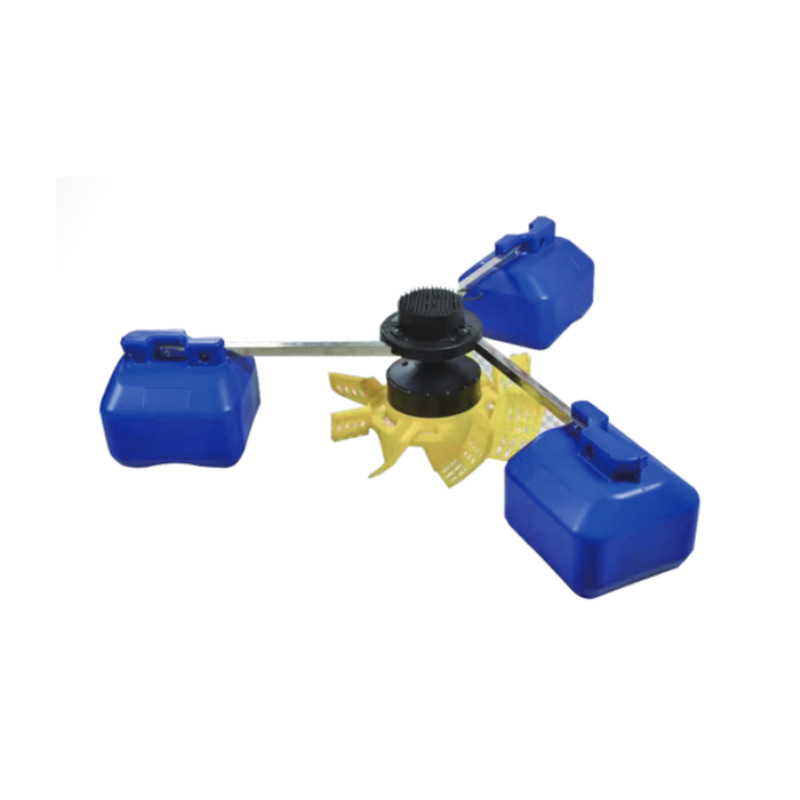
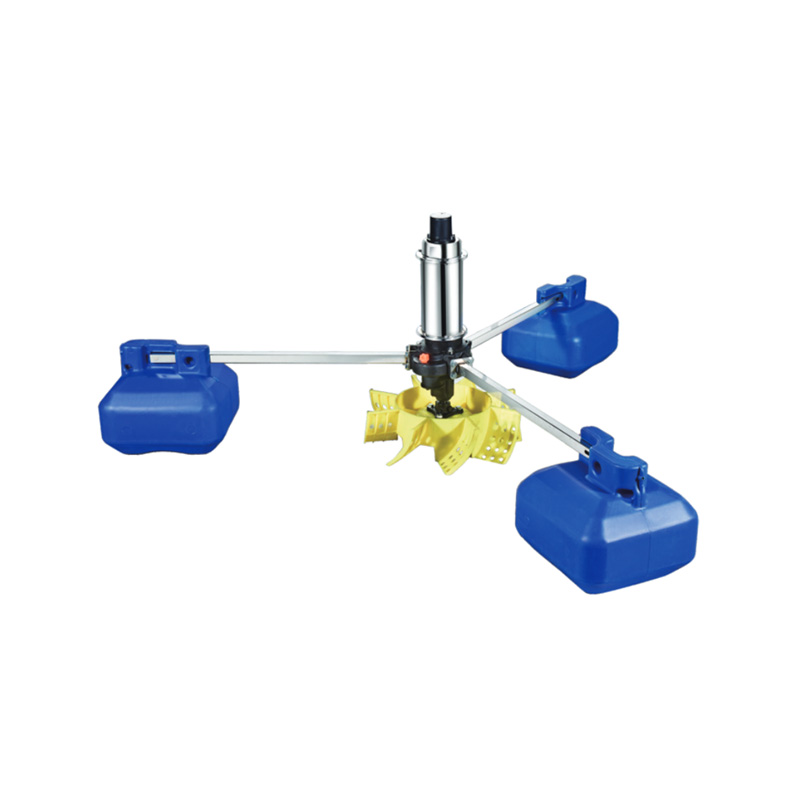
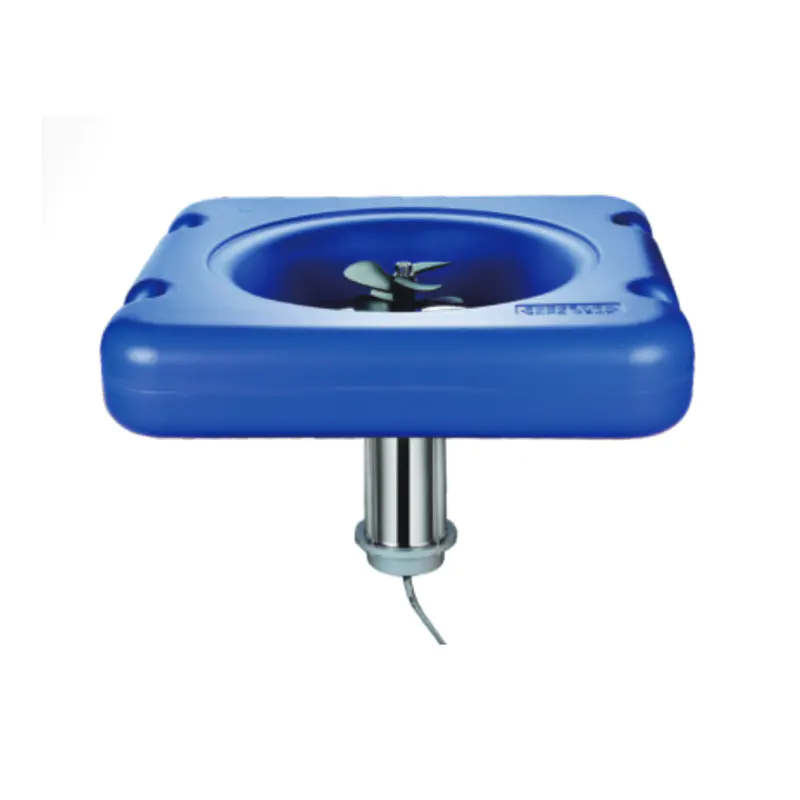
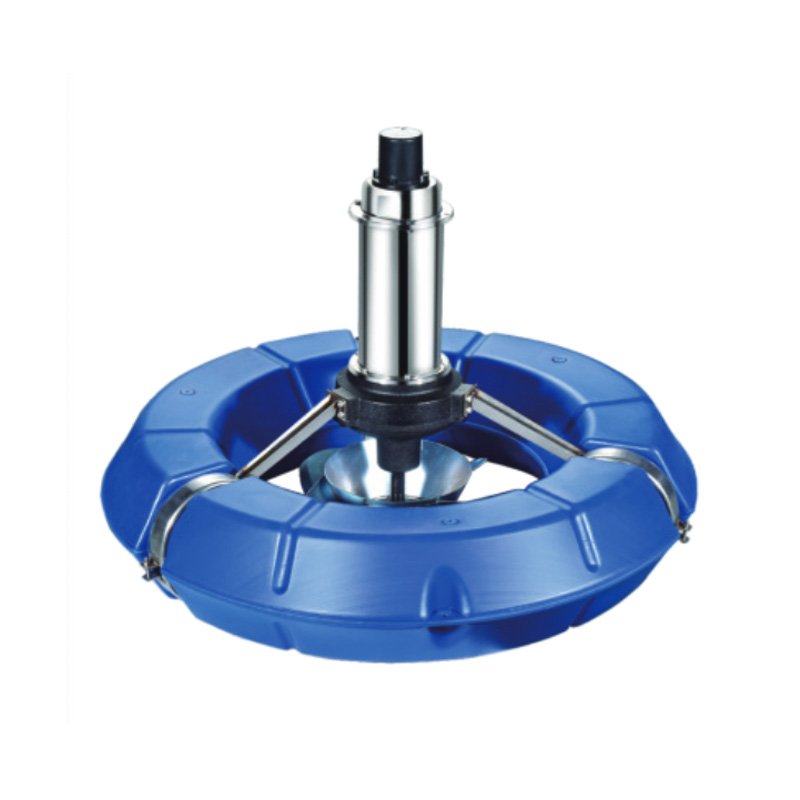
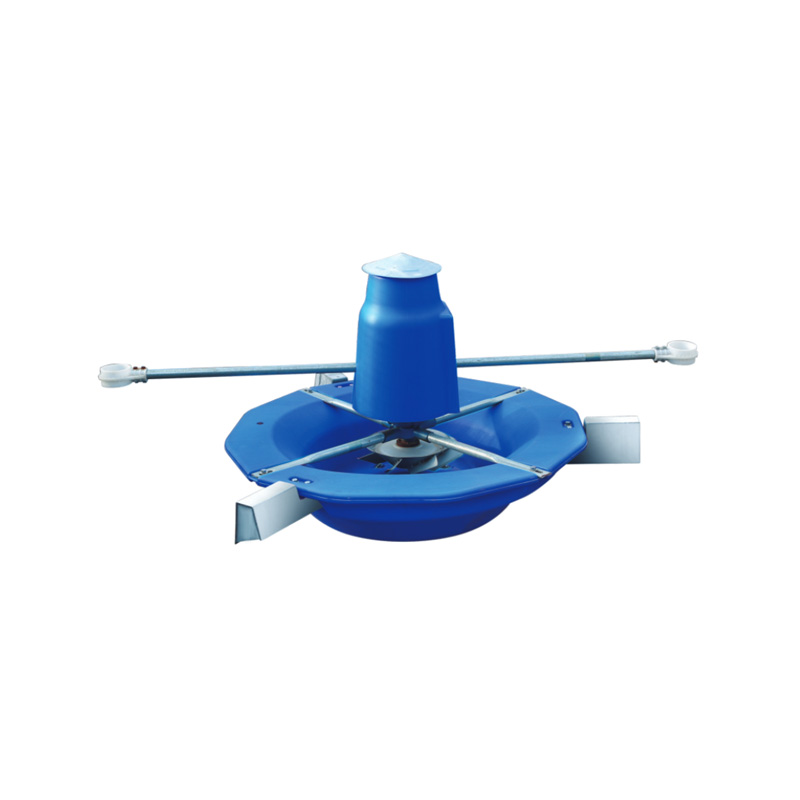
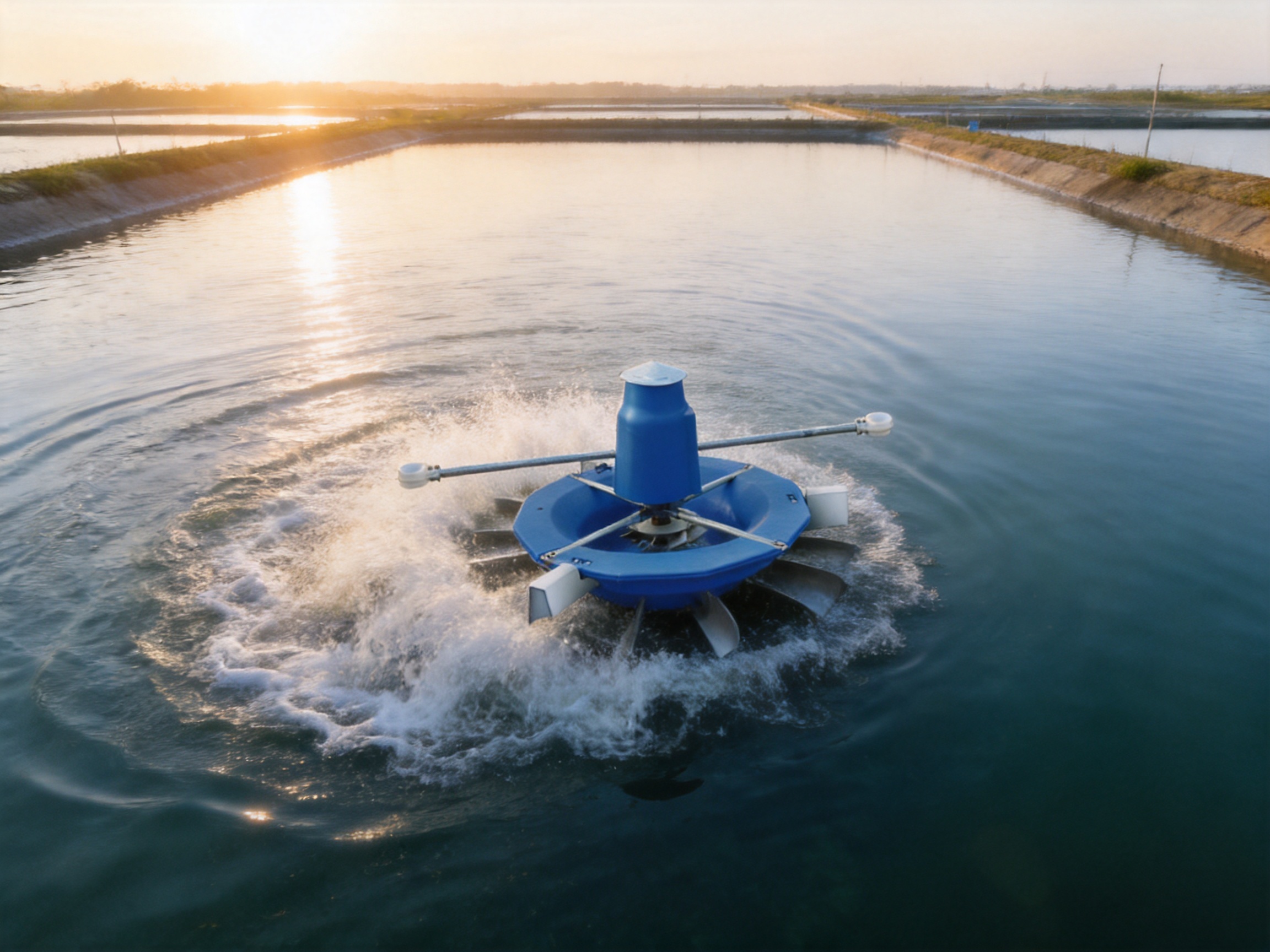
The Double Speed Surge Aerator is designed to support these requirements through a combination of impeller aeration, strong wave generation, vertical water circulation, and energy-conscious operation. Its blade-driven structure moves water continuously, helping transfer oxygen at the surface while encouraging exchange between surface and bottom layers. This circulation pattern is particularly useful in ponds where stagnant areas, stratification, and uneven oxygen distribution can create stress for shrimp and fish.
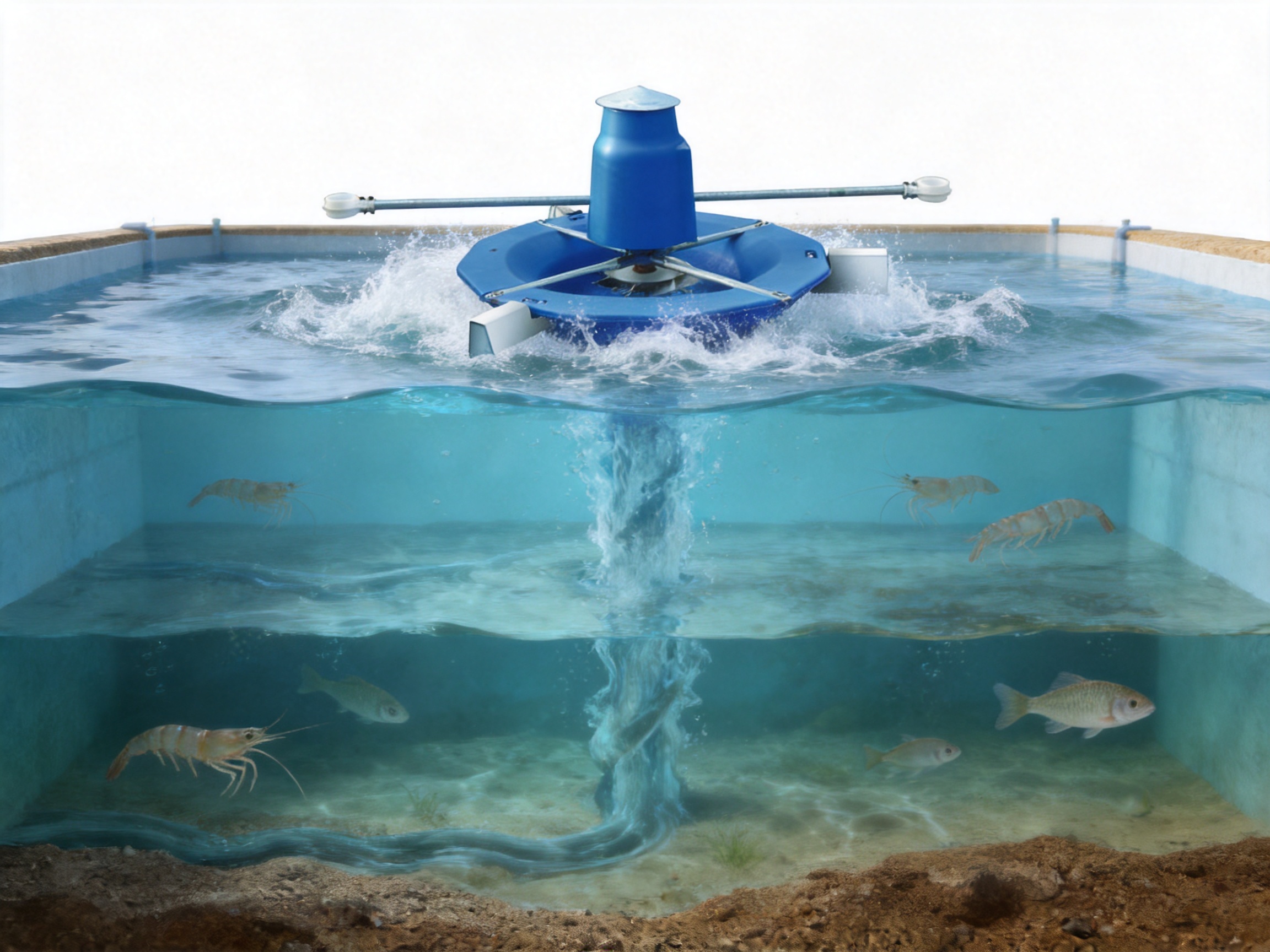
Unlike an aerator that only agitates a small area around the machine, this design is intended to create a broader movement pattern. The impeller produces surface disturbance and wave action, while the water circulation structure promotes movement from the upper layer toward deeper pond water. This combination can help create a more uniform aquatic environment and reduce the risk of isolated low-oxygen zones.
The equipment is manufactured by Zhejiang ZhenTai Mechanical and Electrical Co., Ltd., a China-based manufacturer specializing in aerators, water pumps, submersible pumps, and air blowers. Established in 2018, the company develops and produces more than 90 products across 10 series. Its product range includes floating aerators, impeller aerators, water wheel aerators, and various pump systems used in aquaculture, irrigation, drainage, environmental protection, chemical industries, household water supply, ecological lakes, and flood control.
This article examines the working principle, performance benefits, manufacturing strengths, installation considerations, and commercial value of the Double Speed Surge Aerator for farmers, aquaculture contractors, distributors, and international buyers.
Double Speed Surge Aerator
Why Aeration Is Essential in Shrimp and Fish Ponds
Dissolved oxygen is one of the most sensitive water-quality indicators in aquaculture. Fish and shrimp consume oxygen directly from the water, while microorganisms also use oxygen to decompose uneaten feed, fecal matter, and other organic material. During periods of high stocking density or intensive feeding, oxygen demand can increase substantially.
Oxygen availability is not constant. It may change with water temperature, weather, stocking density, algae activity, organic loading, and the time of day. Photosynthesis can increase oxygen levels during daylight, but oxygen may decline at night when algae and aquatic organisms continue to respire without photosynthetic production. Cloudy weather can also reduce oxygen generation in ponds with high biological activity.
Water may additionally become stratified. The surface layer can have different temperature and oxygen characteristics from the deeper layer. If these layers do not mix effectively, bottom water may become oxygen-deficient. This condition can encourage the formation of undesirable gases and create an unhealthy environment for cultured species.
A properly selected aerator addresses several of these challenges at the same time. It can introduce oxygen through air-water contact, break the water surface, move water across a larger area, and mix different layers of the pond. The Double Speed Surge Aerator is designed around this combined approach rather than relying on only one aeration mechanism.
Oxygen transfer and water movement
When the impeller rotates, its blades create turbulence and wave action. The increased surface movement exposes more water to the atmosphere and supports oxygen transfer. At the same time, the impeller drives water outward and through the pond, encouraging circulation between the surface and deeper areas.
This process does not mean that every pond will receive identical oxygen levels under all conditions. Actual results depend on pond shape, depth, stocking density, weather, water quality, operating schedule, and the number and placement of aerators. Nevertheless, the combination of oxygen transfer and circulation provides a practical foundation for maintaining more consistent pond conditions.
Reducing stagnant zones
Stagnant areas may develop near pond corners, along banks, around dense vegetation, or in sections that receive little natural water movement. Such areas can accumulate organic matter and may experience lower oxygen levels than the central pond area.
The surge-style circulation created by the impeller can help distribute water movement beyond the immediate area of the machine. Strategic positioning is important. Installing the unit where its wave direction supports the pond’s natural flow can improve circulation efficiency and reduce the possibility of dead zones.
Supporting bottom-water exchange
The product is designed to enhance pond bottom water movement. Bottom-water circulation is valuable because much of the organic material in an aquaculture pond eventually settles below the surface. Moving deeper water toward the upper layer can support better exposure to atmospheric oxygen and help prevent long-term separation between surface and bottom conditions.
Bottom-water movement should be controlled appropriately. Excessive turbulence in shallow ponds may disturb sediment, while insufficient movement may not adequately improve circulation. For this reason, installation depth, operating time, and machine position should be selected according to pond conditions and farm management requirements.
How the Double Speed Surge Aerator Works
The product uses an impeller aeration system driven by a planetary gear motor. The impeller blades are responsible for creating the principal water movement, while the gear motor supplies stable rotational power. This arrangement is designed to provide continuous operation with controlled energy consumption.
Impeller-driven circulation
The impeller is the working component that contacts and moves the water. Its blade-driven circulation structure generates a strong surface surge and helps move water vertically and horizontally. The resulting wave pattern increases surface disturbance while pushing water through the pond.
Compared with a system that only injects air through a diffuser, an impeller aerator can create substantial bulk water movement. Diffused-air systems are useful for transferring oxygen at depth, but they may require separate circulation equipment in large or irregular ponds. An impeller system combines surface agitation and water movement in one machine.
Planetary gear motor
The aerator uses a proprietary planetary gear motor design. Planetary gear systems are valued for their compact structure, efficient power transmission, and ability to handle torque within a relatively small housing. For an aerator, these characteristics can support stable impeller operation while keeping the drive system compact and practical for floating or pond-mounted equipment.
A gear motor also allows the motor and impeller to operate at appropriate working speeds. The motor can provide the rotational force required by the impeller without relying on a direct high-speed connection. This helps create a more suitable balance between power consumption, torque, and water movement.
Wave generation
The surge function is an important feature of the product. Strong surface waves extend the visible movement of the machine across the pond and help expose water to the atmosphere. Waves can also assist in distributing water away from the immediate installation point.
Wave action must be considered together with pond layout. In a long pond, units may need to be positioned to create a circulation loop. In a square or rectangular pond, installation near a corner or along an edge may help guide the flow around the perimeter. Farmers and contractors should evaluate the actual pond geometry instead of assuming that one fixed installation pattern will suit every site.
Two-speed operating concept
The product name identifies it as a Double Speed Surge Aerator. Two-speed operation can provide greater flexibility than a single fixed operating level. Lower-speed use may be suitable for routine circulation or periods of moderate oxygen demand, while higher-speed operation may be valuable during hot weather, high feeding periods, nighttime operation, or other situations that require increased water movement.
The specific operating controls and speed settings should be confirmed with the supplier for the selected configuration. The available technical information identifies the product as a two-speed aerator but does not list separate rotational-speed values for each operating mode. Buyers should therefore request the applicable control-panel, motor, and electrical details before placing an order.
Main Product Advantages
Combined aeration and circulation
One of the most important advantages of the Double Speed Surge Aerator is that it performs several water-management functions in one unit. It is designed to increase dissolved oxygen, create vertical water circulation, generate waves, and improve bottom-water movement.
Many farms require more than oxygen transfer alone. If oxygen is added only near the surface while deeper water remains poorly mixed, the pond may still contain uneven conditions. By combining surface disturbance with circulation, this aerator is intended to support a more balanced water environment.
Efficient use of electrical power
The product is described as having a low-power-consumption design. Its listed models include 1.5 kW and 2.2 kW power options, allowing users to match equipment capacity more closely to pond requirements. Selecting a suitable power rating is important because an oversized unit may increase operating expenses, while an undersized unit may not provide enough circulation during demanding conditions.
The planetary gear motor contributes to the equipment’s energy-conscious design by transmitting power efficiently to the impeller. Energy savings in aquaculture are especially valuable because aerators may operate for many hours each day and, in some production systems, continuously during critical periods.
Flexible voltage configurations
The available specifications list both 380 V and 220 V versions for the 1.5 kW and 2.2 kW models. This gives farms and project contractors greater flexibility when matching the aerator to local electrical infrastructure.
Voltage availability does not eliminate the need for proper electrical planning. Buyers should verify frequency, phase requirements, current, overload protection, cable sizing, grounding, and control equipment with a qualified electrician. The correct configuration should be confirmed before shipment because electrical standards vary between regions.
Support for uniform dissolved oxygen conditions
The supplied technical information lists dissolved oxygen uniformity of at least 90 percent. This figure should be understood as a product specification under defined test or operating conditions rather than a guaranteed result for every pond. Actual uniformity depends on pond dimensions, water depth, water quality, aerator layout, and operating time.
Even with these variables, the specification reflects the design objective: to improve the consistency of oxygen distribution rather than concentrating aeration in a narrow area. More uniform oxygen conditions can help reduce localized stress and make the pond environment easier to manage.
Support for temperature uniformity
The listed water temperature uniformity is at least 95 percent. Water movement can help reduce differences between warmer surface water and cooler deeper water, particularly in ponds that experience thermal layering.
Temperature uniformity is beneficial because aquatic animals respond to changes in temperature and oxygen together. A pond with strong temperature differences may also show differences in biological activity and oxygen availability. Circulation helps create a more stable environment, although it cannot replace proper stocking, water exchange, and routine monitoring.
Suitable operating depth
The specification identifies a tillage depth greater than 2 meters. In practical pond terminology, this indicates suitability for water bodies with a working depth above 2 meters under the stated application conditions. Users should confirm the meaning of this parameter with the manufacturer when designing a project, particularly if the pond includes sloped banks, variable depth, or sediment accumulation.
Low-noise operation
The listed no-load noise level is no more than 78 dB. Noise depends on measurement distance, installation condition, motor status, water load, and surrounding structures. Nevertheless, controlled mechanical noise is valuable for farms located near residences, worker housing, offices, or environmentally sensitive areas.
Wide cultivated-water coverage
The 1.5 kW models are listed for cultivated water areas of approximately 6 to 8 mu, while the 2.2 kW models are listed for approximately 6 to 12 mu. Coverage should be treated as a reference range rather than an automatic guarantee. Pond shape, species, stocking density, climate, water depth, and aeration strategy can all change the appropriate equipment quantity.
For larger farms, several units can be arranged to create a circulation network. Multiple aerators may be installed in a staggered pattern, along the pond perimeter, or at positions selected to support a planned flow direction. Contractors should use site measurements and operating requirements when determining the final layout.
Performance Comparison with Conventional Aeration Approaches
Every aeration method has a suitable application. The Double Speed Surge Aerator is not intended to eliminate the value of all other systems. Its main advantage is the combination of oxygen transfer and strong water circulation in one impeller-based platform.
Compared with basic surface agitators
A basic surface agitator may create visible turbulence but offer limited control over deeper water movement. The Double Speed Surge Aerator is designed to create a stronger surge pattern and promote vertical exchange, helping water from deeper layers participate in the circulation cycle.
This distinction is important in ponds where surface agitation alone does not adequately address bottom-water stagnation. The actual result still depends on installation depth and flow direction, but the product’s circulation-focused design provides a broader operating purpose.
Compared with single-speed aerators
A single-speed aerator operates at one fixed level unless the user changes the mechanical or electrical configuration. A two-speed system can offer more adaptability to changing pond conditions. Farms may not require maximum movement at all times, and the ability to select a lower or higher operating condition can support more practical energy management.
Two-speed operation may also be useful when a farm changes from juvenile production to grow-out production, increases stocking density, experiences seasonal temperature changes, or modifies feeding schedules. The control system should be selected to ensure that speed changes are safe and convenient.
Compared with diffused-air systems
Diffused-air systems introduce air below the water surface and can be highly effective when deep oxygen transfer is the primary objective. However, they may require blowers, air lines, diffusers, maintenance of submerged components, and separate strategies for broad horizontal circulation.
An impeller aerator produces direct water movement and surface wave action without depending on a network of air pipes distributed around the pond. This can simplify certain installations and make the circulation pattern easier to observe. On the other hand, farm designers should select the aeration method according to pond depth, species requirements, energy availability, and desired oxygen-transfer location.
Compared with water wheels
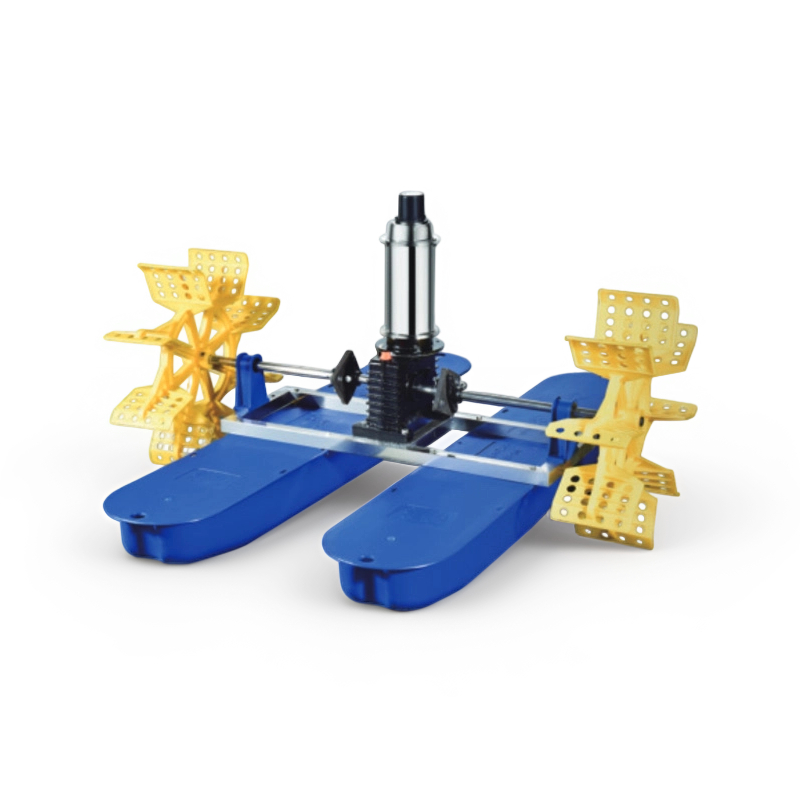
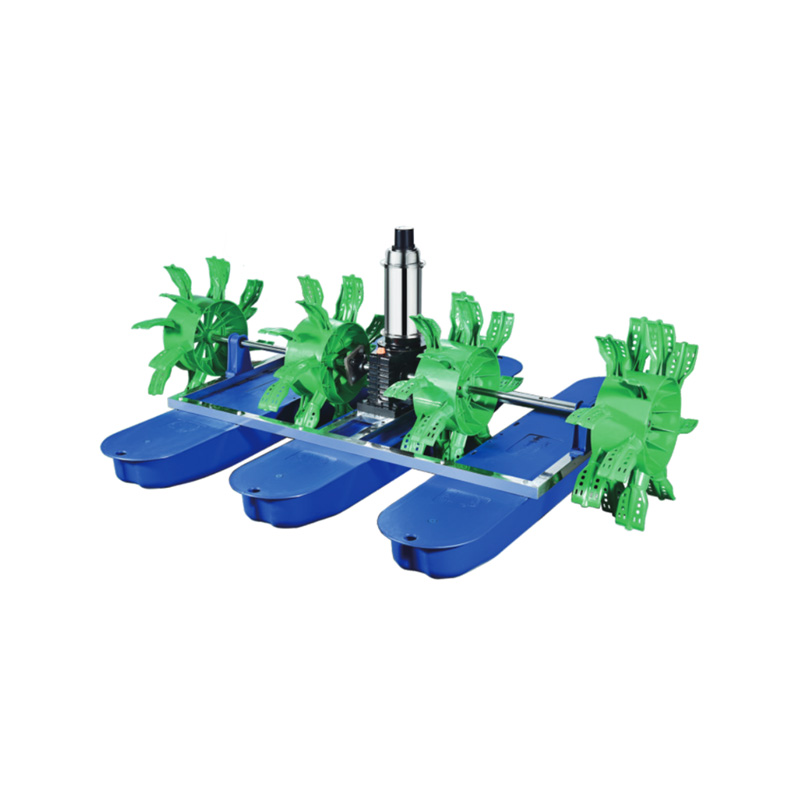
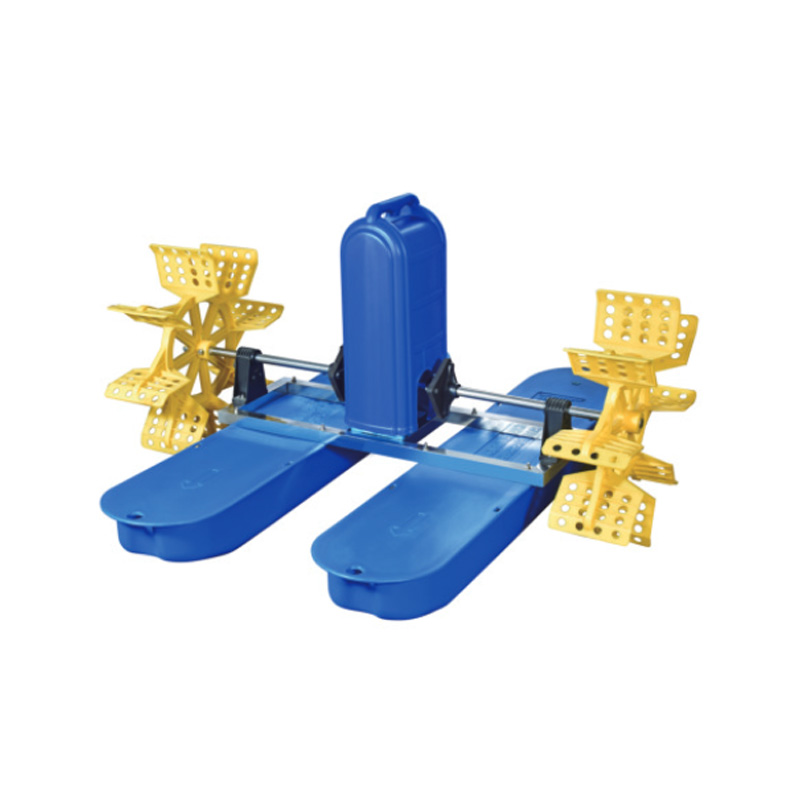
Water wheel aerators are widely used in aquaculture and are effective at splashing and circulating water. The Double Speed Surge Aerator offers a different mechanical concept centered on an impeller and planetary gear motor. Its design emphasizes surge wave generation, surface-to-bottom exchange, and adjustable operating intensity.
The best choice depends on the pond layout and production strategy. In some projects, impeller aerators and water wheel aerators may be used in combination to create complementary circulation patterns.
Technical Specifications
The following table summarizes the supplied product information. The cultivated-water-area values are expressed in mu as provided in the source specifications. Electrical configuration and project suitability should be verified before purchase.
| Model | Voltage | Power | Oxygen Transfer Rate | Power Efficiency | Dissolved Oxygen Uniformity | Water Temperature Uniformity | No-Load Noise | Working Depth Reference | Cultivated Water Area | Weight |
|---|---|---|---|---|---|---|---|---|---|---|
| ZT-1.5 | 380 V | 1.5 kW | 7.5 kg O₂/h | 2.2 kg O₂/kWh | ≥90% | ≥95% | ≤78 dB | >2 m | 6–8 mu | 70 kg |
| ZT-1.5 | 220 V | 1.5 kW | 7.5 kg O₂/h | 2.2 kg O₂/kWh | ≥90% | ≥95% | ≤78 dB | >2 m | 6–8 mu | 70 kg |
| ZT-2.2 | 380 V | 2.2 kW | 7.5 kg O₂/h | 2.8 kg O₂/kWh | ≥90% | ≥95% | ≤78 dB | >2 m | 6–12 mu | 75 kg |
| ZT-2.2 | 220 V | 2.2 kW | 7.5 kg O₂/h | 2.8 kg O₂/kWh | ≥90% | ≥95% | ≤78 dB | >2 m | 6–12 mu | 75 kg |
The source data presents the same listed oxygen transfer rate for both power classes. Buyers should request the complete test report and clarify the test conditions, water temperature, salinity, measurement method, and operating mode when comparing models for a specific project.
Manufacturing Strengths and Production Capabilities
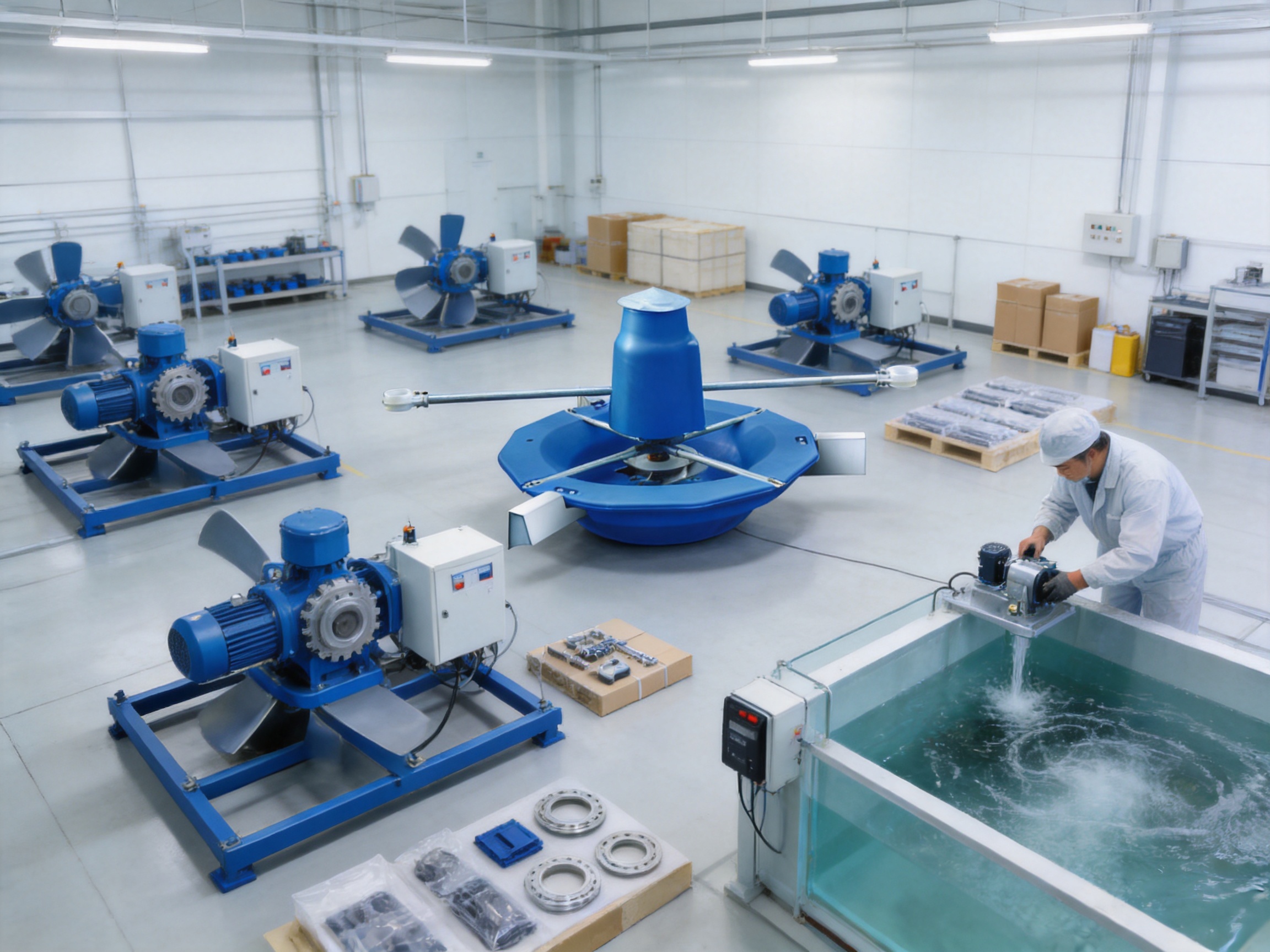
The performance of an aerator depends not only on its visible impeller and motor but also on the consistency of its manufacturing process. Gear alignment, shaft balance, sealing, electrical connections, material selection, and final testing can all influence service life and operating stability.
Specialized product development
The manufacturer focuses on mechanical and electrical equipment and has developed more than 90 products across 10 series. This specialization provides a practical foundation for designing products that combine motors, gear systems, impellers, pumps, electrical components, and water-contact structures.
Experience across related equipment categories can also support product improvement. Aerators and pumps share important engineering requirements, including motor protection, corrosion resistance, mechanical balance, fluid movement, sealing, vibration control, and safe electrical operation.
Proprietary planetary gear motor design
The proprietary planetary gear motor is a central manufacturing strength of this product. Instead of relying only on a standard motor and external transmission arrangement, the design integrates a compact gear-drive concept suited to the aerator’s working requirements.
A well-designed planetary gear system can distribute load among multiple gears, support efficient torque transmission, and maintain a compact form. Manufacturing accuracy is important because gear meshing, shaft alignment, bearing seating, and lubrication all affect operating noise and durability. These details are especially significant in equipment that may run for extended periods in humid and corrosive environments.
Mechanical and electrical integration
An aerator must be treated as an integrated system. The motor must deliver adequate torque, the gear mechanism must transmit that torque, the impeller must convert it into water movement, and the support structure must remain stable under continuous load.
The company’s combined mechanical and electrical manufacturing background supports this integration. Its product portfolio includes aerators, submersible pumps, water pumps, and air blowers, giving it experience in equipment where electrical power is converted into fluid movement.
Quality-oriented production
Reliable manufacturing should include inspection of incoming components, machining and assembly control, motor testing, gear-system inspection, sealing checks, no-load operation, and final product verification. While specific factory inspection procedures should be confirmed directly with the supplier, the company states that it focuses on quality, integrity, technological innovation, reliable products, and professional technical support.
For international buyers, quality assurance should be discussed in practical terms. Important questions include whether each unit is tested before shipment, which components are inspected, how electrical safety is verified, what spare parts are available, and how product records are maintained.
Application-driven design
The manufacturer serves several demanding application fields, including aquaculture, fish pond aeration, farmland irrigation, building foundation drainage, environmental protection, chemical industries, household water supply, ecological landscape lakes, and flood control. This broad application experience encourages a design approach based on real operating conditions rather than purely laboratory performance.
Aquaculture equipment must function in wet, outdoor environments with exposure to sunlight, rain, mud, biological material, and water chemistry. The product’s design therefore needs to balance performance, maintainability, installation practicality, and resistance to long operating cycles.
OEM and ODM support
The company offers customized OEM and ODM services for global buyers. This can be valuable for distributors, project contractors, and equipment brands that need customized labels, packaging, electrical configurations, documentation, colors, or product combinations.
Customization should be managed carefully. Changes to voltage, motor configuration, impeller structure, control system, floating platform, mounting method, or packaging can affect performance and certification requirements. Buyers should establish a written technical specification before production begins and approve drawings or samples where necessary.
Installation and Positioning Guidance
Correct installation is essential for achieving the intended water movement. Even a high-quality aerator may perform poorly if it is positioned in a sheltered corner, placed too close to an obstruction, installed at an unsuitable depth, or operated without stable anchoring.
Selecting the installation area
The unit should be installed in the designated pond area where its surge can support the desired circulation pattern. Avoid placing it where banks, cages, pipes, vegetation, or other equipment block the main flow direction.
For rectangular ponds, users may position the aerator so that water travels along the long axis or follows a perimeter circulation route. For irregular ponds, several smaller circulation zones may be more effective than one strong flow path. Contractors should observe the pond during operation and adjust the layout if stagnant areas remain.
Ensuring stable positioning
The aerator must be securely positioned before operation. Floating or platform-mounted structures should be anchored to prevent excessive movement, twisting, or collision with pond banks. The anchoring system should account for wind, waves, changing water levels, maintenance access, and the force generated by the impeller.
Unstable positioning can increase vibration, place stress on cables and mechanical supports, and change the direction of water flow. A stable installation also makes routine inspection safer and more predictable.
Electrical preparation
The selected voltage must match the available electrical supply. Installations should include appropriate overload protection, isolation, grounding, and waterproof cable management. Electrical components should be protected from direct water exposure, and cable routes should avoid sharp edges, moving parts, and areas where farm vehicles may cause damage.
Electrical work should be performed by qualified personnel. The motor rating, cable length, voltage drop, phase configuration, and control-panel capacity should be considered together. Buyers should not assume that a 220 V model and a 380 V model can be interchanged without changing the supporting electrical equipment.
Starting and stopping procedures
Before starting the aerator, inspect the impeller, support structure, electrical connections, anchoring points, and water level. Confirm that no foreign objects are close to the blades. During initial operation, observe vibration, sound, current draw, wave direction, and the stability of the unit.
If the machine shows abnormal noise, excessive vibration, overheating, unusual current, or unstable movement, stop it and investigate the cause. Routine observations during the first operating period can identify installation problems before they develop into serious failures.
Maintenance and Operating Practices
Regular maintenance helps preserve aeration efficiency and extend equipment life. The frequency of maintenance depends on operating hours, water quality, salinity, sediment, biological growth, weather, and the cleanliness of the installation area.
Impeller inspection
Inspect the impeller regularly for rope, plastic, weeds, netting, branches, algae, and other material. Foreign objects can reduce water flow, increase motor load, damage blades, or create imbalance. The equipment should be isolated from the power supply before any cleaning or inspection near moving components.
Gear motor checks
Check the gear motor for abnormal sound, leakage, overheating, vibration, or changes in operating behavior. Lubrication and service intervals should follow the manufacturer’s instructions. Using an unsuitable lubricant or neglecting lubrication can reduce gear life.
Electrical inspection
Inspect cables, connectors, control devices, grounding, and protective components. Water, ultraviolet exposure, rodents, farm machinery, and chemical contact can damage electrical systems. Any cracked insulation, loose terminal, corrosion, or repeated tripping should be addressed promptly.
Seasonal planning
Operating demand may change during the year. Hot seasons, high stocking periods, cloudy weather, nighttime hours, and heavy feeding often increase the need for aeration. Farmers should plan operating schedules around measured dissolved oxygen rather than relying only on visual water movement.
Portable dissolved oxygen meters can help operators evaluate conditions at different pond locations and depths. Measurements should be recorded over time so that the farm can identify recurring low-oxygen periods and optimize aerator use.
Commercial Value for Farmers and Project Contractors
For farmers, the value of an aerator is measured not only by its purchase price but also by operating cost, reliability, serviceability, and its ability to support stable production. The Double Speed Surge Aerator provides multiple functions in one system, which may reduce the need for separate circulation equipment in suitable pond applications.
The availability of 1.5 kW and 2.2 kW models allows buyers to select equipment according to pond area and production intensity. The two voltage options also make the product suitable for different electrical infrastructures. For contractors, this range simplifies the process of preparing proposals for farms with different site conditions.
Distributors may also benefit from the broad application range. The same product family can be presented to shrimp farms, fish farms, pond renovation projects, ecological water projects, and aquaculture equipment dealers. OEM and ODM support can further help distributors develop market-specific product packages.
Energy efficiency is particularly important in commercial aquaculture because aerators may represent a significant part of daily electricity consumption. A product that provides strong circulation while using a practical power rating can contribute to more manageable operating costs. Buyers should compare oxygen transfer efficiency, useful coverage, service requirements, and expected operating hours rather than comparing purchase price alone.
Selection Guide for Different Pond Applications
The 1.5 kW model is listed for cultivated water areas of approximately 6 to 8 mu. It may be appropriate for smaller ponds, moderate stocking levels, or installations where several units are distributed across a farm.
The 2.2 kW model is listed for approximately 6 to 12 mu. Its higher rated power may be suitable for larger areas, more demanding circulation requirements, or ponds with greater organic loading and stocking density.
These ranges should not be used without site evaluation. A pond with complicated geometry may need more units than a simple open pond of the same area. Similarly, a high-density shrimp pond may require a different aeration layout from a lightly stocked fish pond.
Buyers should provide the supplier with pond length, width, average depth, maximum depth, species, stocking density, water source, electrical supply, climate, and desired operating schedule. This information allows the supplier or contractor to recommend a more appropriate configuration.
Frequently Asked Questions
What is the main function of the Double Speed Surge Aerator?
Its main functions are dissolved oxygen increase, vertical water circulation, wave generation, and improved movement of deeper pond water. The impeller creates surface turbulence and a surge pattern while encouraging exchange between upper and lower water layers.
Is this aerator suitable for shrimp ponds?
Yes. The product is designed for aquaculture applications including shrimp and fish farming ponds. Its wave-generating and circulation functions can help support oxygen distribution and reduce stagnant areas. Final suitability depends on pond size, stocking density, water depth, and the overall farm aeration plan.
What power options are available?
The listed models are ZT-1.5 with 1.5 kW power and ZT-2.2 with 2.2 kW power. Both models are listed in 220 V and 380 V configurations. Buyers should confirm electrical phase, frequency, current, and control requirements before ordering.
How large an area can one unit cover?
The 1.5 kW model is listed for approximately 6 to 8 mu, while the 2.2 kW model is listed for approximately 6 to 12 mu. These are reference values. Actual coverage depends on pond shape, depth, species, stocking density, water quality, weather, and equipment layout.
Does the aerator operate at two speeds?
The product is identified as a Double Speed Surge Aerator. Two-speed operation is intended to provide greater flexibility for different oxygen and circulation requirements. The exact speed values and control method should be confirmed with the supplier for the selected model.
What type of motor does it use?
It uses a planetary gear motor based on a proprietary design. The gear motor is intended to provide stable, efficient power transmission to the impeller while supporting continuous operation.
Can it replace a diffuser or blower system?
It may replace or reduce the need for separate equipment in applications where surface aeration and bulk water circulation are the main requirements. However, diffused-air systems have different operating characteristics and may be preferred when deep oxygen transfer is essential. The selection should be based on the pond design and oxygen-management strategy.
What should be checked before installation?
Users should check pond depth, installation position, anchoring, water level, electrical voltage, cable protection, grounding, overload protection, impeller clearance, and access for maintenance. A qualified electrician should handle electrical connections.
How can the machine be maintained?
Inspect the impeller, remove foreign objects, check the gear motor for abnormal sound or overheating, inspect cables and connectors, verify anchoring, and follow the recommended lubrication and service schedule. Always disconnect power before working near the impeller or electrical components.
Does the manufacturer provide customized services?
The manufacturer offers OEM and ODM services for global buyers. Customization may include product configuration, branding, packaging, electrical requirements, and project-specific arrangements. Technical requirements should be confirmed in writing before production.
What information should an importer request?
An importer should request the technical datasheet, applicable voltage and frequency, motor and control details, dimensions, packaging information, spare-parts list, warranty terms, inspection procedures, installation instructions, and shipping specifications. The importer should also confirm whether the product meets the regulations applicable in the destination market.
Conclusion
The Double Speed Surge Aerator is designed as a multifunctional solution for modern shrimp and fish farming ponds. Its impeller system produces surface agitation and surge waves, while its circulation structure supports exchange between surface and bottom water. The planetary gear motor provides a compact and energy-conscious drive arrangement, and the two-speed concept offers flexibility for changing farm conditions.
Compared with basic surface agitators, the product places greater emphasis on vertical mixing and broad water movement. Compared with single-speed equipment, it is intended to provide more adaptable operation. Compared with systems that focus only on air injection, it creates direct bulk water circulation and visible wave action.
The available 1.5 kW and 2.2 kW models, together with 220 V and 380 V configurations, support different project requirements. Listed performance features include oxygen transfer, power efficiency, dissolved oxygen uniformity, temperature uniformity, low-load noise control, and cultivated-water-area references.
Its value is also supported by the manufacturer’s mechanical and electrical specialization, proprietary planetary gear motor development, broad product portfolio, quality-oriented approach, OEM/ODM capability, and experience in aquaculture and fluid-handling equipment. For farmers, contractors, distributors, and global buyers seeking a practical pond circulation and aeration system, the product offers a balanced combination of water movement, operational flexibility, and application-focused engineering.
To achieve the best results, users should combine the aerator with correct pond design, strategic placement, routine dissolved oxygen monitoring, proper electrical installation, and regular maintenance. When these factors are managed together, the Double Speed Surge Aerator can become an important part of a stable and energy-conscious aquaculture operation.
References
1. Supplied product specification for the Double Speed Surge Aerator, including model, voltage, power, coverage, oxygen transfer, uniformity, noise, depth, and weight data.
2. Manufacturer-provided company information for Zhejiang ZhenTai Mechanical and Electrical Co., Ltd., including product categories, application fields, research and development focus, and OEM/ODM services.
3. General aquaculture engineering principles concerning dissolved oxygen management, pond circulation, water stratification, and mechanical aeration.
4. General equipment-maintenance principles for electric motors, planetary gear systems, impellers, floating machinery, and outdoor water-handling equipment.
5. General project-design principles for aquaculture pond aerator selection, equipment positioning, electrical protection, operating schedules, and preventive maintenance.