 English
 Español
 Indonesia
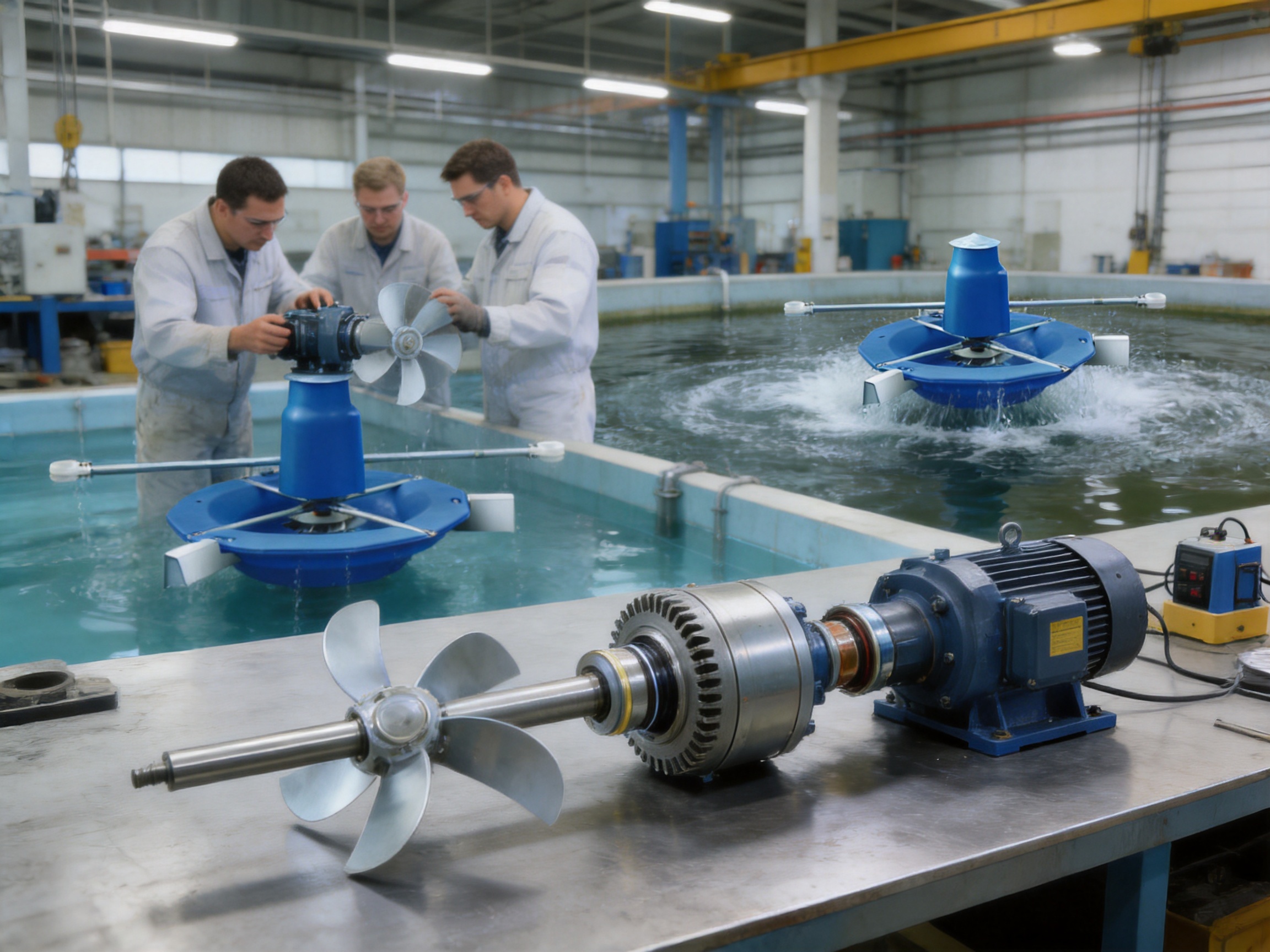
Maintaining suitable dissolved oxygen levels is one of the most important responsibilities in shrimp and fish farming. Oxygen availability influences feeding activity, growth rate, stress resistance, water quality, microbial balance, and survival. When oxygen becomes unevenly distributed or falls sharply during the night, after heavy feeding, during hot weather, or following sudden changes in pond conditions, aquatic animals may experience severe stress. A dependable aeration system must therefore do more than create surface bubbles. It should move water, promote oxygen transfer, reduce stagnant zones, and help establish a more uniform pond environment.
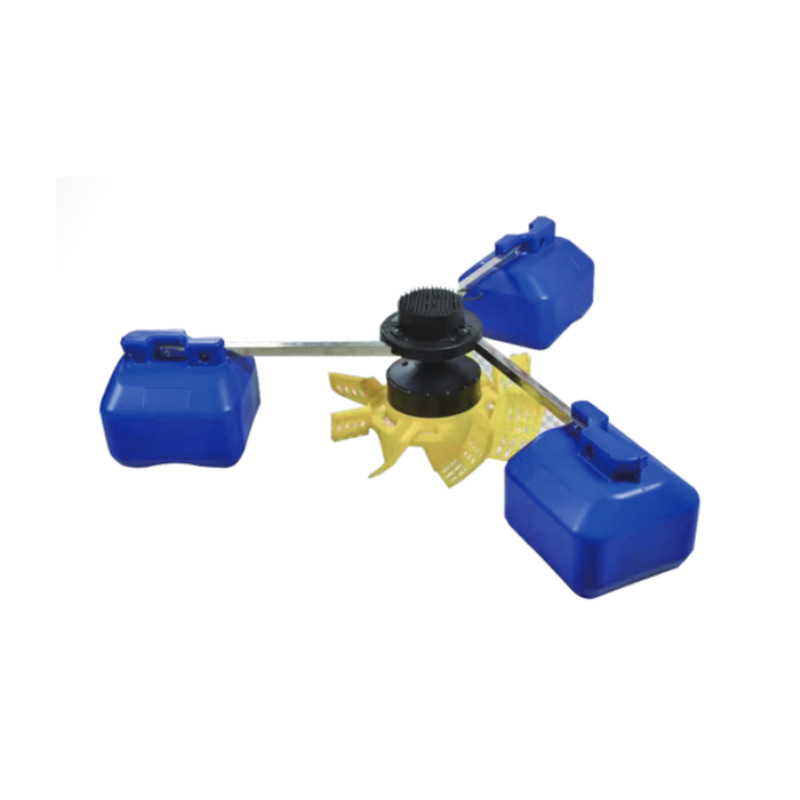
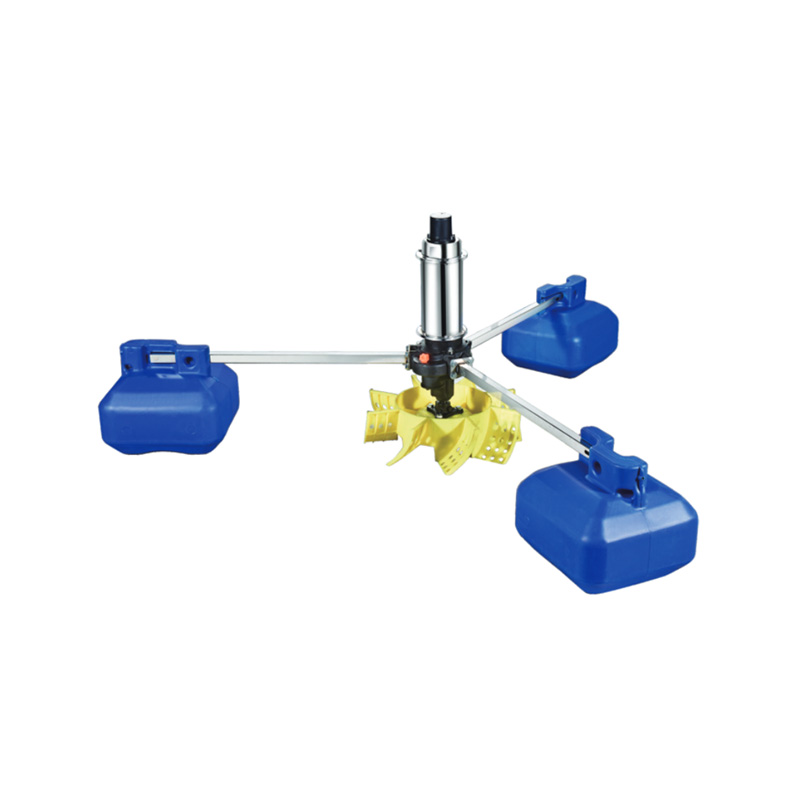
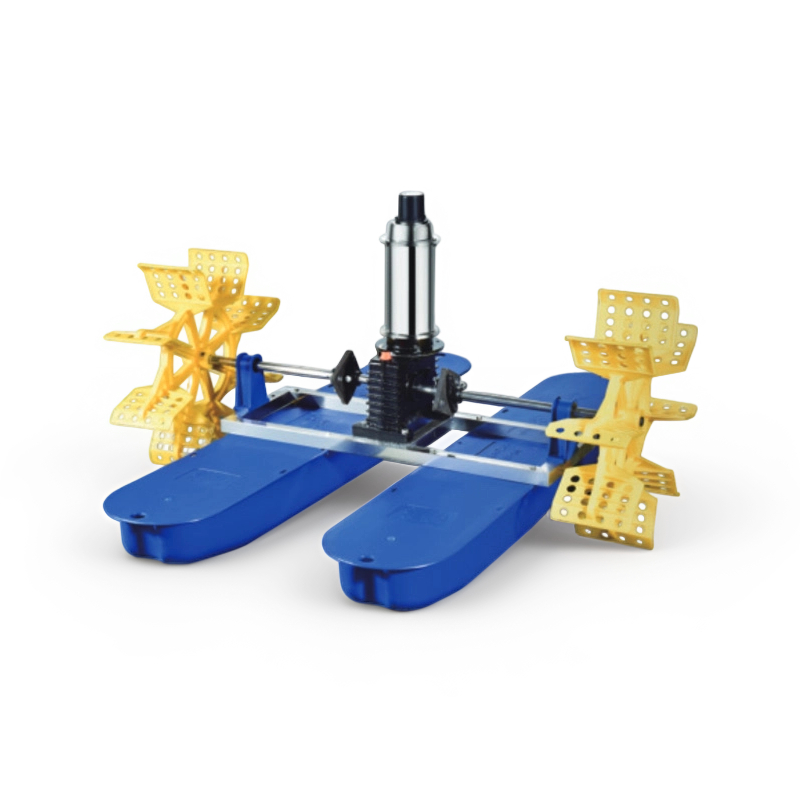
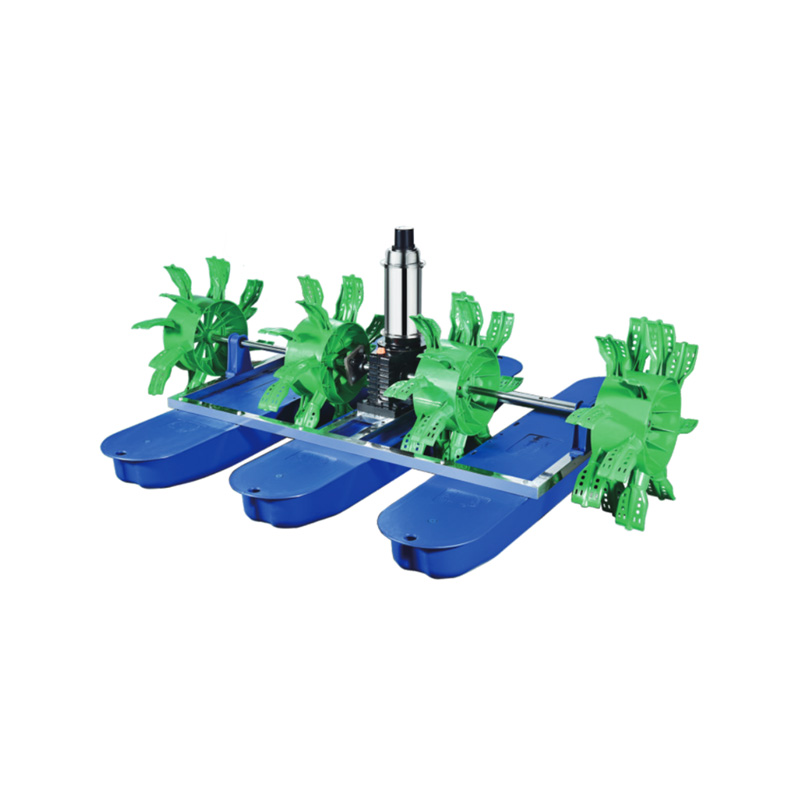
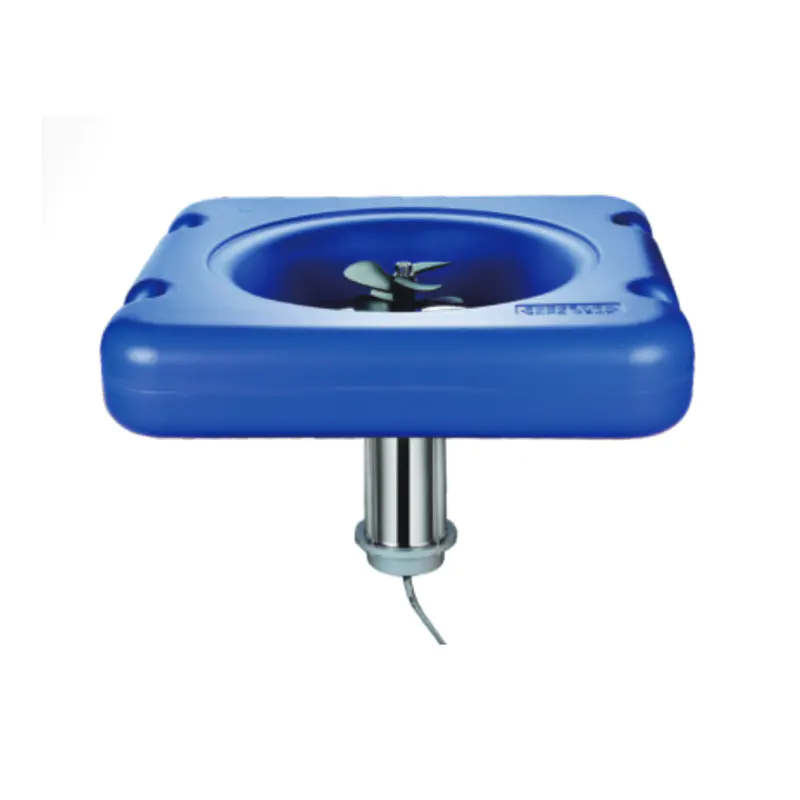
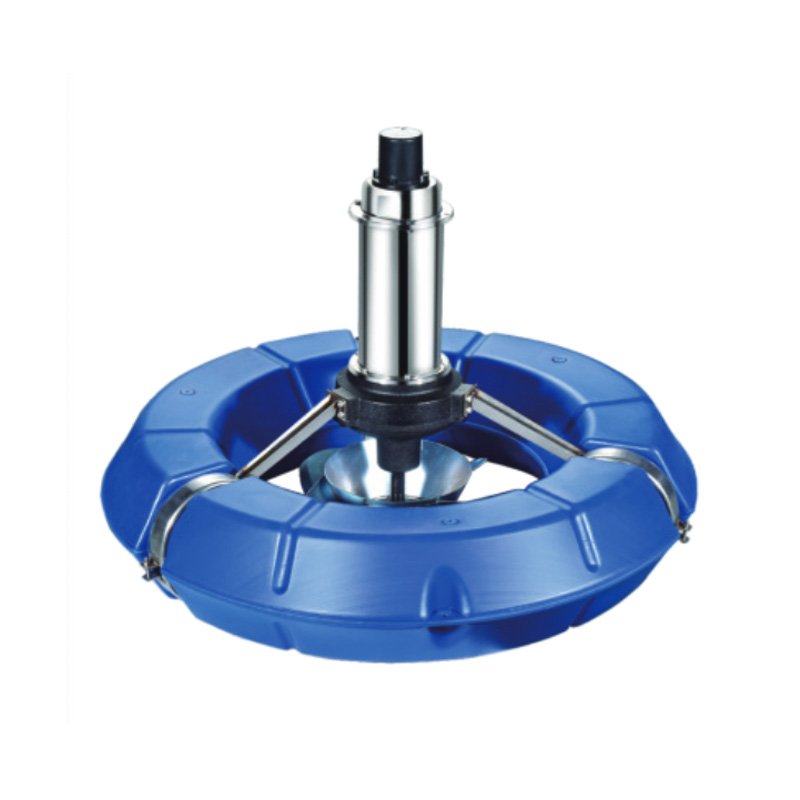
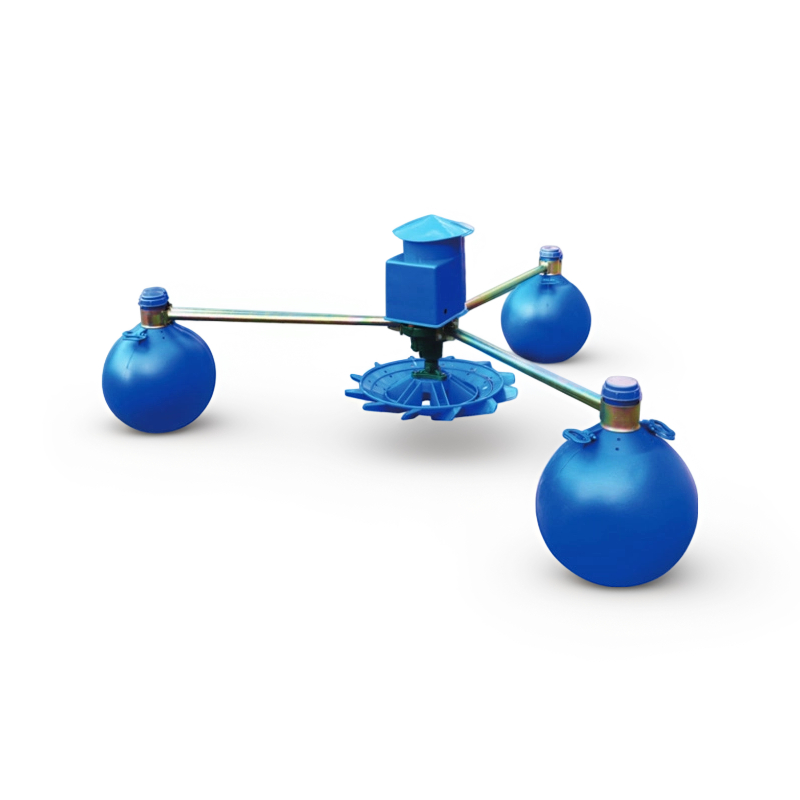
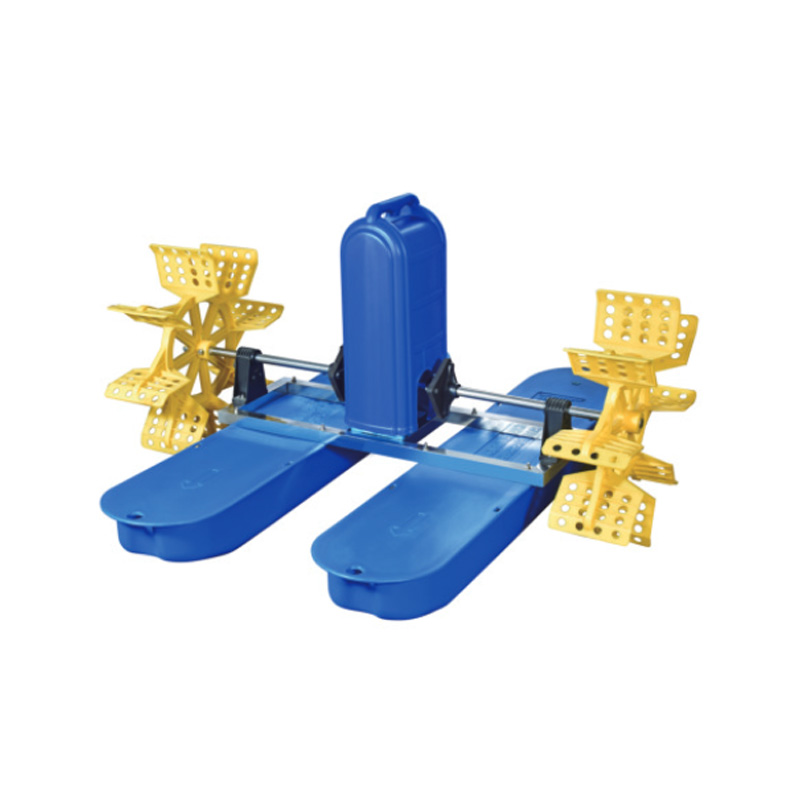
The Double Speed Surge Aerator is designed around this broader approach to pond aeration. It combines impeller-driven water movement, wave generation, vertical circulation, and continuous operation in one floating or pond-installed aeration solution. Its blade-driven circulation structure moves surface water while encouraging exchange between upper and lower water layers. This helps bring oxygen-rich water downward, lift oxygen-deficient water upward, and improve the overall circulation pattern of the pond.
With available 1.5 kW and 2.2 kW configurations, voltage options of 220 V and 380 V, a planetary gear motor, and a low-power-consumption design, the aerator can serve a variety of shrimp ponds, fish ponds, and other aquaculture water bodies. The double-speed concept gives farmers greater flexibility when matching operating intensity to stocking density, weather, biomass, and daily oxygen demand. Instead of treating every pond condition in the same way, operators can select a suitable operating level and manage energy consumption more effectively.
This article explains the product structure, operating principle, technical advantages, manufacturing strengths, application value, installation considerations, maintenance requirements, and purchasing factors associated with this type of surge aerator.
Why Water Movement Matters in Aquaculture
Aquaculture ponds are dynamic biological systems. Feed, animal respiration, algae growth, decomposition, sunlight, temperature, rainfall, and water exchange all influence oxygen levels. In many ponds, the water near the surface may have a different oxygen concentration and temperature from the water close to the bottom. This difference can become more pronounced when the pond is deep, heavily stocked, rich in organic matter, or poorly circulated.
Surface water may receive oxygen from the atmosphere and photosynthesis, while deeper water can lose oxygen through respiration and the decomposition of organic material. If the layers remain separated, the pond may develop areas with low dissolved oxygen. These zones are particularly dangerous because shrimp and fish may be unable to escape them quickly, especially when they are near the pond bottom or around feeding areas.
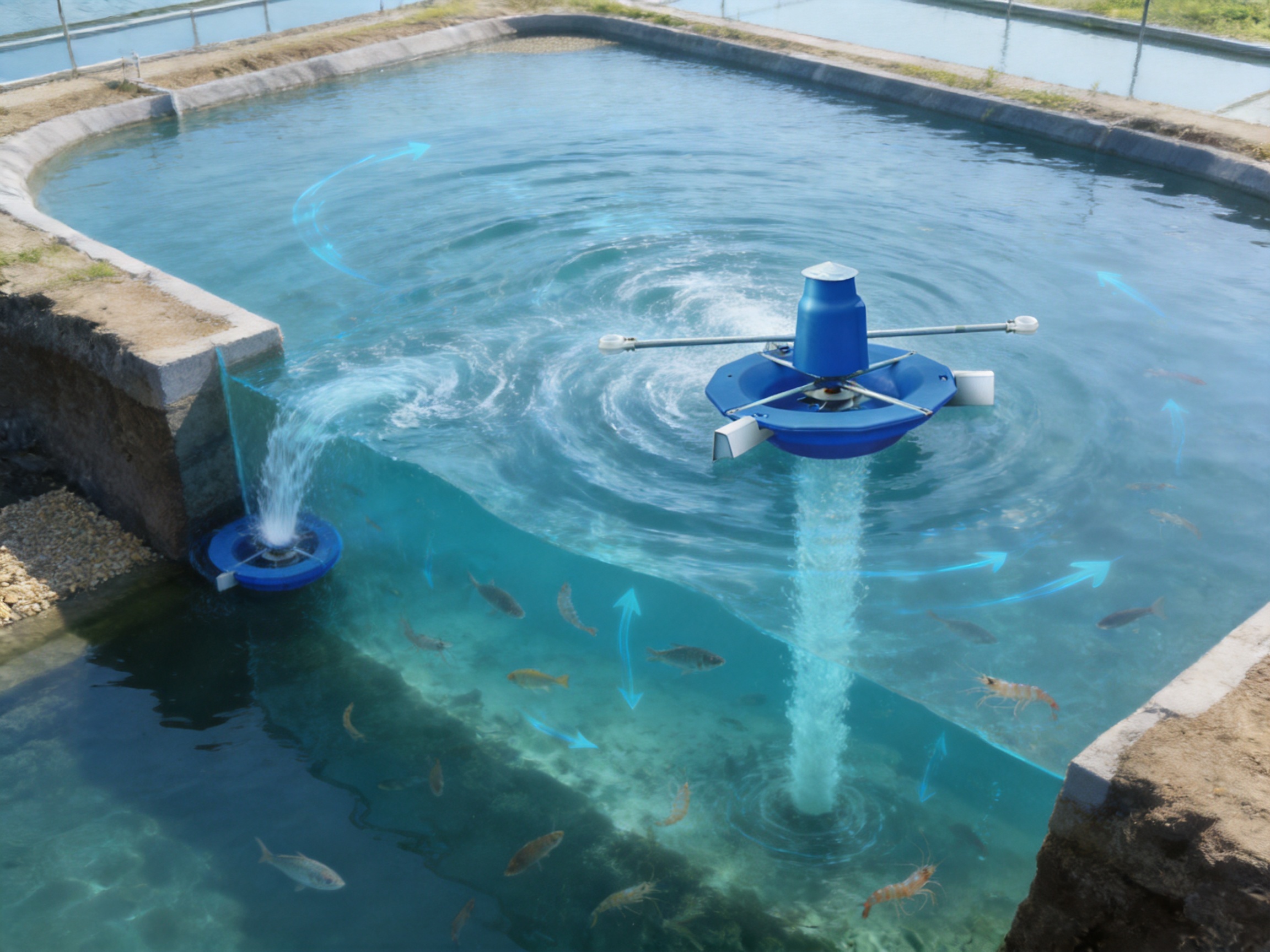
Water circulation helps reduce this separation. By driving water across the surface and encouraging vertical exchange, an impeller aerator can distribute oxygen more evenly. The process also supports the movement of nutrients, reduces localized stagnation, and assists in carrying suspended organic material toward areas where it can be managed through normal pond maintenance practices.
Strong circulation is not the same as uncontrolled turbulence. Effective aeration requires a balance between oxygen transfer and stable water movement. Excessively violent agitation can waste energy, disturb pond banks, stress cultured animals, or create unnecessary sediment suspension. A well-designed impeller system should produce useful wave action and circulation while maintaining predictable operation.
Product Overview
The Double Speed Surge Aerator is an impeller aeration system developed for shrimp farming ponds, fish ponds, and related aquaculture applications. Its main functions include dissolved oxygen increase, vertical water circulation, wave generation, and improved movement of bottom water. The impeller blades create a broad water flow pattern that supports surface-to-bottom exchange instead of relying only on localized surface disturbance.
The product uses a proprietary planetary gear motor design. Planetary gearing is valued for its compact structure, efficient power transmission, load distribution, and suitability for continuous-duty equipment. In an aquaculture aerator, these characteristics are important because the motor and transmission system may operate for long periods under humid, corrosive, and mechanically demanding conditions.
The product range described in the supplied specifications includes the ZT-1.5 model at 1.5 kW and the ZT-2.2 model at 2.2 kW. Both models are available with either 220 V or 380 V electrical configurations. The listed cultivated water areas range from approximately 6 to 8 mu for the 1.5 kW model and approximately 6 to 12 mu for the 2.2 kW model. Actual coverage depends on pond shape, stocking density, water depth, organic load, weather, and the number and placement of aerators.
The recorded oxygen transfer rate is 7.5 kg oxygen per hour for the listed configurations, while power efficiency is shown as 2.2 for the 1.5 kW model and 2.8 for the 2.2 kW model in the supplied product table. The specifications also indicate dissolved oxygen uniformity of at least 90 percent, water temperature uniformity of at least 95 percent, no-load noise of no more than 78, and a tillage or circulation depth greater than 2 meters. Because technical tables may use different measurement conventions, buyers should confirm the test method, units, and field conditions before comparing values with competing products.
Operating Principle of the Surge Wave Aerator
Impeller-Driven Circulation
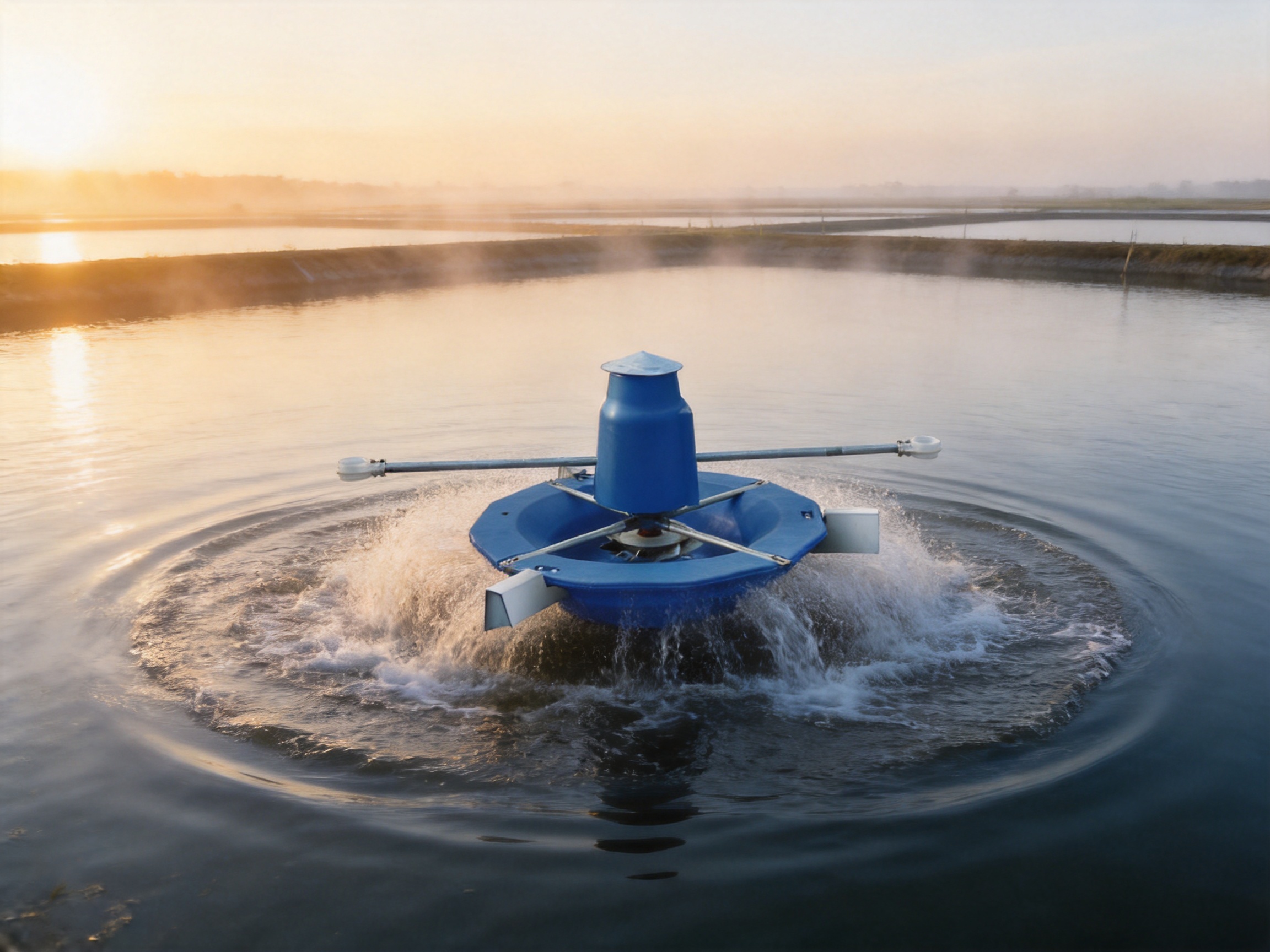
The central working component is the impeller. When the motor turns the impeller blades, water is captured and pushed outward and forward. This creates a moving water field around the aerator. The movement increases contact between water and air at the surface while also transferring momentum into the pond.
Unlike an aerator that only releases air through submerged diffusers, an impeller system directly moves a substantial volume of water. This makes it suitable for ponds where circulation and oxygen distribution are as important as direct gas transfer. The water movement can help carry oxygen-rich surface water toward areas that would otherwise remain stagnant.
Wave Generation
The surge action produced by the rotating impeller creates waves across the pond surface. Waves increase the effective air-water contact area and renew the water surface exposed to the atmosphere. As each wave rises and breaks, it introduces additional movement and can assist with oxygen transfer.
Wave generation also helps reveal how water is moving through the pond. During installation and commissioning, operators can observe the direction and reach of the waves to identify dead zones, excessive circulation toward pond banks, or areas that require a different equipment position. Correct placement is important because the same machine may perform differently in a narrow pond, a long rectangular pond, or an irregularly shaped water body.
Vertical Water Exchange
The aerator is designed to encourage exchange between surface and bottom layers. This vertical movement can help reduce temperature stratification and oxygen differences. Water from below the surface is brought into circulation, while oxygenated water is distributed through a larger portion of the pond.
The supplied specifications list a tillage or circulation depth greater than 2 meters. In practical terms, this indicates that the equipment is intended to influence more than the immediate surface area around the machine. Actual vertical exchange will depend on pond depth, water density, bottom conditions, impeller position, and operating speed.
Continuous Oxygen Support
The aerator can be used for extended operation when pond conditions require ongoing circulation. Continuous or scheduled operation may be particularly valuable at night, near dawn, during periods of high biomass, after feeding, or during weather events that reduce photosynthesis. Operators should establish a control schedule based on dissolved oxygen monitoring rather than relying solely on a fixed routine.
Advantages Compared with Conventional Aeration Approaches
Combined Aeration and Circulation
A major advantage of this product is that it addresses two connected requirements: oxygen transfer and water movement. Some systems are primarily designed to inject air at a specific point, while others move water without providing sufficient surface renewal. The surge aerator combines impeller circulation and wave generation so that oxygen transfer and pond mixing occur together.
This combined approach can be useful in ponds where oxygen is present near the surface but is not distributed effectively through the full water column. By improving circulation, the equipment supports a more balanced environment rather than creating a highly oxygenated spot surrounded by poorly mixed water.
Support for Bottom Water Movement
Bottom water can accumulate organic matter and may become oxygen-deficient. The product is designed to enhance pond bottom water movement and encourage vertical exchange. This is an important distinction for intensive aquaculture facilities, where feeding residues, fecal matter, and decomposing biological material may increase oxygen demand near the pond floor.
The aerator does not replace bottom cleaning, water exchange, or responsible feeding management. However, better circulation can support these practices by reducing prolonged stagnation and moving water through a larger part of the pond.
Flexible Operating Intensity
The double-speed configuration provides a practical way to adjust aeration intensity. Lower operation may be appropriate during periods of moderate oxygen demand or when the pond already has sufficient circulation. Higher operation can be selected when biomass increases, water temperature rises, or weather conditions cause a greater risk of oxygen depletion.
Adjustable operation can also help reduce unnecessary power use. Rather than running every aerator at maximum capacity throughout the day, a farmer can combine monitoring data with different operating levels. This may improve the relationship between energy consumption and actual pond requirements.
Energy-Conscious Design
The product is described as having a low power consumption design. Energy efficiency is increasingly important because aerators may represent one of the largest continuous electrical loads on an aquaculture farm. Reducing the energy required for useful water movement can lower operating costs and make aeration more practical in remote farming locations.
Energy performance should be evaluated together with oxygen transfer, circulation reach, durability, and service life. A machine with low input power but inadequate water movement may not provide a real economic benefit. The value of this aerator lies in its combination of rated power, impeller circulation, wave generation, and water exchange.
Adaptability to Common Farm Electrical Systems
The availability of both 220 V and 380 V versions gives buyers more flexibility. Smaller or single-phase installations may use a 220 V configuration where appropriate, while farms with industrial three-phase power may select 380 V. Electrical selection must always be confirmed with the local power supply, motor rating, starting current, protection equipment, and applicable safety requirements.
Technical Specifications
The following table summarizes the product data supplied for the two main power configurations. The original information contains several abbreviated technical terms, so buyers should request the manufacturer’s formal technical datasheet before final procurement.
| Model | Voltage | Rated Power | Oxygen Transfer Rate | Power Efficiency Value | Dissolved Oxygen Uniformity | Water Temperature Uniformity | No-Load Noise | Circulation Depth | Suggested Cultivated Water Area | Weight |
|---|---|---|---|---|---|---|---|---|---|---|
| ZT-1.5 | 220 V | 1.5 kW | 7.5 kg oxygen/h | 2.2 | At least 90% | At least 95% | Up to 78 | More than 2 m | 6–8 mu | 70 kg |
| ZT-1.5 | 380 V | 1.5 kW | 7.5 kg oxygen/h | 2.2 | At least 90% | At least 95% | Up to 78 | More than 2 m | 6–8 mu | 70 kg |
| ZT-2.2 | 220 V | 2.2 kW | 7.5 kg oxygen/h | 2.8 | At least 90% | At least 95% | Up to 78 | More than 2 m | 6–12 mu | 75 kg |
| ZT-2.2 | 380 V | 2.2 kW | 7.5 kg oxygen/h | 2.8 | At least 90% | At least 95% | Up to 78 | More than 2 m | 6–12 mu | 75 kg |
The listed coverage figures are planning references rather than universal guarantees. A pond with heavy stocking, high organic loading, limited natural circulation, or substantial depth may require additional machines. Farmers should assess the complete pond system, including animal biomass, feeding rate, water exchange, oxygen measurements, and emergency aeration requirements.
Manufacturing Strengths and Engineering Capabilities
The product is manufactured by Zhejiang ZhenTai Mechanical and Electrical Co., Ltd., a Chinese manufacturer established in 2018 and located in Wenling, Zhejiang Province. The company specializes in the research, development, and production of more than 90 products across 10 product series. These include floating aerators, impeller aerators, water wheel aerators, water pumps, submersible pumps, and air blowers.
This product range is relevant to the development of an aquaculture aerator because it reflects experience across several types of fluid-moving equipment. Aerators, pumps, and blowers each require knowledge of motors, impellers, water flow, sealing, vibration, electrical protection, and continuous-duty operation. Experience across these categories can support a more integrated approach to product development.
The manufacturer’s location in Zhejiang provides access to an established mechanical and electrical manufacturing environment. Wenling is widely associated with pump and motor production, supplier networks, component processing, assembly services, and export-oriented industrial activity. For international buyers, this manufacturing background can support repeat production, component sourcing, and OEM or ODM cooperation.
Product Research and Development
The company’s stated focus includes product research, development, and continuous technological innovation. For an impeller aerator, research and development may cover blade geometry, motor matching, planetary gear transmission, water-flow distribution, vibration control, electrical safety, structural stability, and energy performance.
The planetary gear motor is especially significant. A planetary structure distributes transmitted load through multiple gears, which can provide a compact transmission package and support efficient torque transfer. In an aerator, proper gear design helps the impeller maintain stable operation while handling changing water resistance. Stable transmission is important for reducing irregular vibration and maintaining predictable circulation.
Design development also involves matching the motor to the impeller. If the motor is oversized, energy may be wasted. If it is undersized, the system may struggle under load or experience premature wear. A balanced motor and impeller combination can improve operation, reduce heat generation, and provide more consistent water movement.
Manufacturing Process Considerations
The manufacturing process for this type of equipment involves several stages. Product design begins with the required water movement, electrical configuration, power rating, and intended pond conditions. Components are then sourced or produced according to the design. Mechanical parts must be dimensionally compatible, while electrical components must match voltage, current, insulation, and protection requirements.
Gear motor assembly requires accurate alignment of the motor, gears, shafts, bearings, and seals. Poor alignment may lead to excess noise, vibration, heat, or reduced service life. Correct assembly also helps maintain the efficiency of the transmission system during continuous operation.
Impeller assembly requires attention to blade balance and secure fastening. An unbalanced impeller can place unnecessary loads on bearings and the motor shaft. It may also create irregular waves and increase noise. Careful inspection during assembly is therefore essential for stable operation.
Electrical assembly is another important stage. Wiring, terminals, insulation, grounding, overload protection, and enclosure protection must be checked before the machine is released. Since aquaculture environments contain water, humidity, mud, salts, and chemicals, electrical safety must be treated as a central manufacturing and installation requirement.
Final testing may include no-load operation, current measurement, vibration observation, noise checking, rotation verification, and inspection of the water-moving components. Where appropriate, performance tests can examine oxygen transfer, water circulation, and operating stability. Buyers seeking large quantities should request information about factory inspection procedures, batch consistency, and available quality documentation.
Quality and Reliability Focus
Aerators often operate for long hours during critical biological periods. A failure at night or during a hot, cloudy day can have serious consequences for a farm. Reliability therefore includes more than the initial ability to start. It also includes stable transmission, motor protection, resistance to environmental exposure, secure structural assembly, and access to replacement parts.
The manufacturer states that it focuses on quality, integrity, reliable products, professional technical support, and customized OEM/ODM services. These strengths can be valuable for distributors, farm contractors, and importers that need a consistent product platform rather than a one-time purchase.
OEM and ODM cooperation may allow buyers to discuss product labeling, packaging, electrical requirements, documentation, colors, accessories, and market-specific configurations. Any customization should be reviewed carefully because changes to the impeller, motor, gear system, or electrical parts can affect performance and safety.
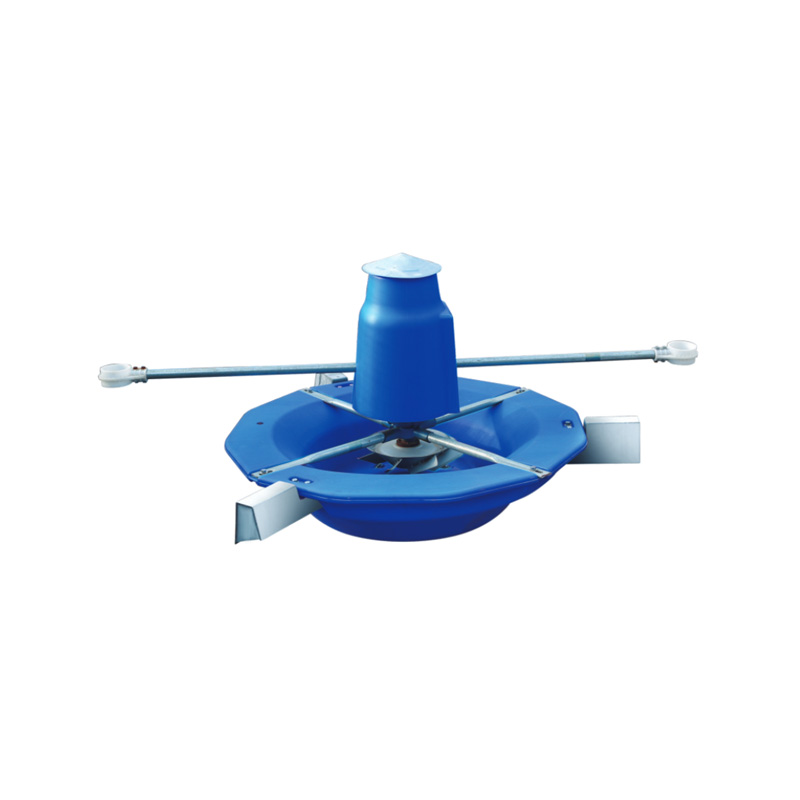
Double Speed Surge Aerator
Benefits for Shrimp Farming
Shrimp ponds often require strong attention to bottom conditions and oxygen distribution. Shrimp spend much of their time close to the pond floor, where oxygen demand and organic accumulation can become significant. A surface-only aeration pattern may not provide enough movement in these lower areas.
The surge aerator’s emphasis on vertical exchange and bottom water movement makes it suitable for shrimp farming operations that need to improve circulation across the full pond. Wave action can help spread oxygenated water, while the impeller can reduce the persistence of stagnant zones around feeding and resting areas.
During the night, photosynthesis stops and respiration continues. Dissolved oxygen may decline gradually, with the lowest level often occurring before sunrise. Operating the aerator during the late-night and early-morning period can help maintain a safer oxygen profile. However, farmers should use dissolved oxygen meters and farm records to establish the most effective schedule for their specific production system.
After feeding, oxygen demand may rise as shrimp become more active and as feed residues are processed. Aeration can support circulation during this period, but it should be combined with accurate feeding, regular pond observation, and control of organic loading.
Benefits for Fish Farming
Fish ponds also benefit from stable oxygen distribution and reduced water stratification. Species, stocking density, feeding intensity, and pond depth will determine the required aeration strategy. In grow-out ponds, impeller circulation can help distribute oxygen and reduce areas where fish may congregate because of uneven water conditions.
The wave-generating action is useful in larger ponds where broad surface movement is needed. Depending on pond geometry, one or more aerators can be arranged to create a circulation loop. Equipment should not be placed so close to the bank that waves continuously erode the embankment. A suitable distance from the edge allows useful water movement while protecting pond structures.
Fish farmers may also use different operating levels according to weather. On bright days with strong photosynthesis, natural oxygen production may be higher. On overcast days, during storms, or after several days of limited sunlight, aeration demand may increase. The double-speed operating concept supports this type of adjustment.
Installation and Positioning Guidelines
Before installation, inspect the pond layout, water depth, electrical supply, access routes, and expected circulation direction. The aerator should be positioned in the designated pond area and secured so that it remains stable during operation. Loose or poorly supported equipment can shift, reduce circulation efficiency, damage cables, or create a safety hazard.
The machine should be installed where the generated waves can travel across the pond without immediately colliding with a bank, structure, cage, net, or other equipment. In rectangular ponds, positioning near a suitable end or side may help establish a circulation path. In irregular ponds, operators may need to test several locations to find the best water movement pattern.
Water depth should be considered carefully. The listed circulation depth is greater than 2 meters, but the aerator must still be installed according to the manufacturer’s instructions. The working components should remain properly immersed, while the motor and electrical connections should be protected from water entry.
Electrical installation should be completed by qualified personnel. The system should include appropriate circuit protection, grounding, overload protection, and a disconnecting device. Cables must be routed so that they cannot be caught by the impeller, damaged by equipment movement, or exposed to unnecessary mechanical stress.
After installation, start the aerator under observation. Check the rotation direction, current, sound, vibration, wave pattern, and structural stability. Confirm that water is moving in the intended direction and that the pond bank is not receiving excessive impact. The first operating period should be treated as a commissioning phase during which adjustments can be made.
Operation and Farm Management
The most effective aeration program combines equipment capability with water quality monitoring. Dissolved oxygen should be measured at representative locations and times, including near the surface and closer to the bottom. Measurements before dawn, after feeding, and during adverse weather can provide useful information about the pond’s oxygen demand.
Operators should avoid switching equipment on and off unnecessarily if frequent cycling places excessive stress on the motor and gear system. At the same time, continuous maximum-speed operation may consume more energy than necessary. A planned schedule based on oxygen data, biomass, weather, and feeding records is usually more efficient.
When multiple aerators are installed, they should be coordinated to promote a complete circulation pattern. Running all machines in the same direction may be useful in some ponds, while staggered operation may provide better energy control in others. The correct strategy depends on pond geometry and the location of inlets, outlets, feeding platforms, and sludge accumulation areas.
The aerator should not be considered a substitute for good farm management. Overstocking, excessive feeding, poor water exchange, and uncontrolled organic accumulation can overwhelm any single aeration device. The best results come from integrating aeration with water testing, feeding control, pond bottom management, biosecurity, and emergency response procedures.
Maintenance and Service Requirements
Regular inspection helps preserve aerator performance. Operators should check the impeller, blade fasteners, motor housing, gear motor, cables, connectors, support structure, and mounting points. Any unusual noise, vibration, current increase, overheating, or reduction in wave action should be investigated promptly.
The impeller should be kept free from ropes, nets, plastic, aquatic plants, and other materials that could restrict rotation. Before cleaning or inspection, the electrical supply must be disconnected and secured against accidental restart. Maintenance should never be performed while the impeller is moving.
Gear motor maintenance should follow the manufacturer’s instructions. Depending on the transmission design, inspection may include checking lubricant condition, seals, bearings, shaft alignment, and fasteners. Planetary gear systems can provide reliable service, but they still require correct loading, proper lubrication, and protection from water intrusion.
Electrical components should be inspected for corrosion, loose connections, insulation damage, and signs of moisture. Aquaculture ponds may contain salt, disinfectants, fertilizers, and other substances that can accelerate corrosion. Damaged cables or connectors should be replaced rather than temporarily repaired with unsuitable materials.
Seasonal maintenance is also recommended. Before a new production cycle, inspect the full unit, test the motor, verify protective devices, clean the impeller, and confirm the condition of all mounting components. Preventive maintenance is generally less costly than responding to an aerator failure during a high-risk oxygen event.
Purchasing Considerations for Farmers and Distributors
Buyers should select a model according to pond size, depth, stocking density, species, expected biomass, local voltage, and available operating hours. The suggested 6–8 mu coverage for the 1.5 kW model and 6–12 mu coverage for the 2.2 kW model can assist initial planning, but a professional farm assessment is recommended for intensive systems.
Distributors and wholesalers should evaluate more than the nameplate power. Important factors include oxygen transfer performance, circulation pattern, noise, weight, installation method, motor protection, spare parts availability, packaging, warranty policy, and technical support. A product that is easy to install and maintain can reduce total ownership cost for end users.
Importers should also confirm the exact meaning and units of all technical specifications. Terms such as oxygen transfer rate, power efficiency, oxygen uniformity, temperature uniformity, and circulation depth may be measured under specific laboratory conditions. Comparing products fairly requires equivalent testing methods.
For OEM and ODM projects, buyers should define the required electrical standard, plug or cable configuration, language of manuals, identification labels, packaging requirements, spare parts, and inspection documents. If a private-label product is requested, changes should be approved through a documented technical process to avoid unintended effects on performance.
Environmental and Economic Value
Efficient aeration can contribute to more responsible aquaculture by helping farms maintain healthier water conditions with controlled energy use. Better circulation may reduce the frequency of emergency interventions and help operators identify water quality problems earlier. When oxygen is distributed more evenly, cultured animals may experience less stress and make more consistent use of the pond environment.
The economic value of an aerator should be assessed over its operating life. Purchase price is only one part of the calculation. Energy consumption, downtime, maintenance, repair requirements, replacement parts, labor, and potential stock losses all influence the total cost. A reliable machine with appropriate performance may provide better long-term value than a cheaper product that requires frequent service.
The product’s low-power-consumption design and adjustable operating concept support energy management. Farmers can use the lower operating level during moderate-demand periods and increase aeration when conditions require stronger circulation. This approach may help reduce avoidable electricity use while maintaining an appropriate safety margin.
Role of the Manufacturer in Global Supply
Zhejiang ZhenTai Mechanical and Electrical Co., Ltd. serves markets connected with aquaculture, irrigation, drainage, environmental protection, chemical industries, household water supply, ecological landscape lakes, and flood control. This broad application range indicates that the company works with equipment designed for different water-handling conditions.
For global buyers, a supplier with several related product categories can simplify sourcing. A farm contractor may need aerators, submersible pumps, water pumps, and air blowers for one project. A manufacturer capable of supplying several of these product types may offer more consistent communication, coordinated technical support, and consolidated procurement.
The company’s stated strengths include professional technical support, reliable products, continuous innovation, and OEM/ODM cooperation. These services are particularly useful when international customers need assistance with model selection, pond layout, operating conditions, electrical configurations, replacement parts, or market-specific documentation.
Long-term supplier evaluation should include factory communication, sample testing, production consistency, response time, warranty terms, quality records, and after-sales support. Buyers should also confirm that the supplied unit matches the approved sample and that critical components remain consistent across production batches.
Q&A
What is the primary purpose of the Double Speed Surge Aerator?
Its primary purpose is to increase dissolved oxygen while improving water circulation. The impeller creates surface movement, wave action, and vertical exchange between upper and lower pond layers. This makes it suitable for shrimp ponds, fish ponds, and other aquaculture water bodies.
How is this aerator different from a simple surface agitator?
A simple surface agitator may mainly disturb the water near the surface. This product is designed to combine wave generation with broader water circulation and bottom water movement. Its purpose is to support both oxygen transfer and improved distribution through the pond.
What does the double-speed function provide?
The double-speed function provides operating flexibility. Farmers can select a lower or higher operating intensity according to oxygen demand, biomass, weather, feeding activity, and water quality conditions. This can help balance pond performance and energy consumption.
Which models are available?
The supplied specifications identify 1.5 kW and 2.2 kW models. Both are listed with 220 V and 380 V options. The 1.5 kW model is associated with a suggested cultivated water area of 6–8 mu, while the 2.2 kW model is associated with 6–12 mu.
Can the aerator be used in shrimp ponds?
Yes. Its vertical circulation and bottom water movement are relevant to shrimp farming, particularly where oxygen conditions near the pond floor require improvement. The final number and placement of aerators should be determined by stocking density, pond geometry, depth, and water quality data.
Can it be used for fish farming?
Yes. The product can support oxygen distribution and water movement in fish ponds. Installation should be planned to create useful circulation without directing excessive wave energy toward pond banks, cages, structures, or sensitive areas.
What electrical versions are offered?
The listed product information includes 220 V and 380 V versions. Buyers should confirm whether the selected unit is compatible with local single-phase or three-phase power, starting current, protection equipment, and electrical regulations.
Does the aerator replace water exchange and pond cleaning?
No. Aeration supports oxygen transfer and circulation, but it does not replace responsible feeding, water exchange, sludge management, water testing, or other farm management practices. It should be used as part of an integrated pond management program.
How should the aerator be installed?
It should be placed in the designated pond area and secured in a stable position. The installation should allow waves and circulation to reach the intended pond area without causing excessive bank erosion. Electrical connections must be protected, grounded, and installed by qualified personnel.
What maintenance is required?
Routine maintenance includes checking the impeller, blade fasteners, gear motor, shaft, bearings, seals, cables, mounting structure, and protective devices. Remove ropes, plants, plastic, and other materials from the impeller. Always disconnect power before inspection or cleaning.
What should buyers confirm before ordering?
Buyers should confirm voltage, power, model, coverage expectations, performance test conditions, dimensions, weight, installation method, spare parts, warranty, packaging, delivery terms, and technical documentation. Large buyers should also discuss quality inspection and OEM or ODM requirements.
Can the manufacturer provide customized services?
The company states that it provides OEM and ODM services. Customization may include labeling, packaging, documentation, electrical configurations, and other approved requirements. Any change to key mechanical or electrical components should be reviewed technically before production.
Conclusion
The Double Speed Surge Aerator is designed for aquaculture operations that need more than localized surface agitation. Its impeller-driven structure combines oxygen transfer, wave generation, surface-to-bottom circulation, and enhanced bottom water movement. The double-speed operating concept provides flexibility for changing pond conditions, while the planetary gear motor supports stable and energy-conscious operation.
The available 1.5 kW and 2.2 kW configurations, together with 220 V and 380 V options, allow the equipment to serve different farm electrical systems and pond scales. Its application value is strongest when the aerator is correctly positioned, operated according to dissolved oxygen data, and integrated with feeding control, pond cleaning, water testing, and emergency management.
Manufactured by a company specializing in aerators, pumps, blowers, and related mechanical and electrical equipment, the product is supported by experience across multiple water-handling applications. The manufacturer’s stated focus on research and development, reliable production, technological innovation, technical support, and OEM/ODM cooperation makes the aerator suitable for farmers, aquaculture contractors, distributors, wholesalers, and international equipment buyers.
For any aquaculture project, final equipment selection should be based on actual biological demand and pond conditions rather than rated power alone. When properly selected and maintained, a surge aerator can help create a more uniform oxygen environment, improve water circulation, support healthier shrimp and fish production, and contribute to more efficient long-term farm management.
References
1. Manufacturer-supplied product information for the Double Speed Surge Aerator, including model data, operating functions, and performance specifications.
2. Manufacturer-supplied company information for Zhejiang ZhenTai Mechanical and Electrical Co., Ltd., including product categories, manufacturing scope, company history, and OEM/ODM capabilities.
3. Standard aquaculture engineering principles concerning dissolved oxygen management, pond circulation, water stratification, and mechanical aeration.
4. General technical guidance on impeller aerators, oxygen transfer, mechanical water movement, and energy management in fish and shrimp farming systems.
5. General maintenance principles for electric motors, planetary gear transmissions, impellers, pump equipment, and water-exposed electrical systems.